
Delhi, Ontario: overview, history and community life
Delhi is a small community in Norfolk County, southwestern Ontario, historically linked to tobacco farming. This article summarizes its character, services, local institutions, recreation and notable developments.
Overview
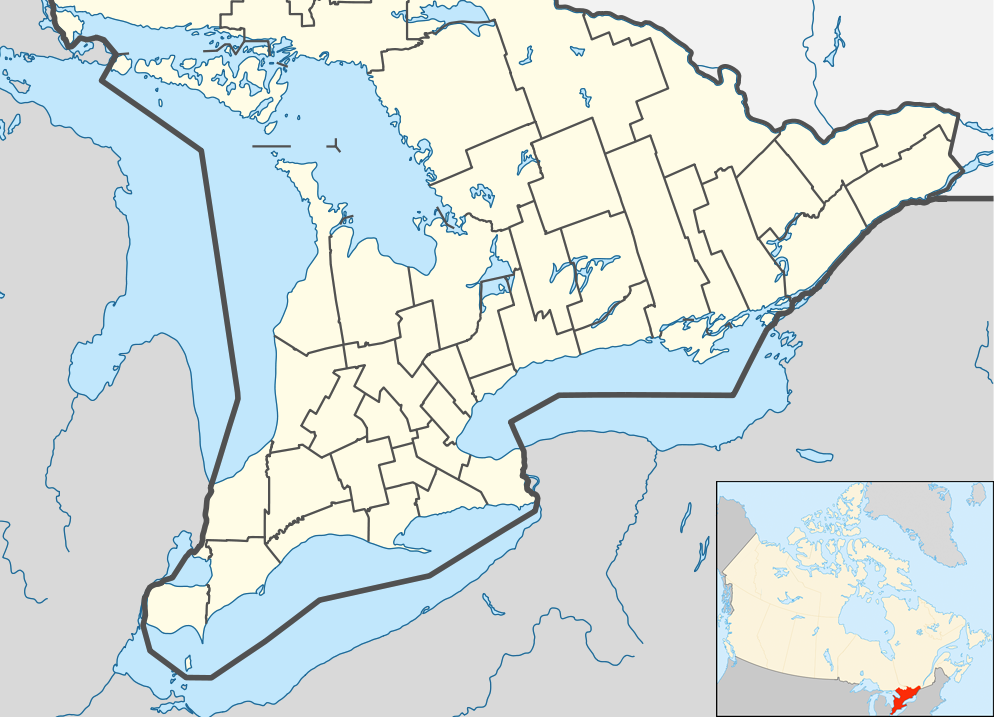
Delhi is a small community in Norfolk County in southwestern Ontario, Canada. The town's population is under 5,000 and it functions as a local service centre for surrounding farms and rural neighbourhoods. Its identity has long been shaped by agriculture, and many visitors associate Delhi with the region's tobacco-growing past.
Image gallery
6 Images



History and economy
For much of the 20th century Delhi and the surrounding area were important to Ontario's tobacco industry, producing leaves for domestic and export markets. In recent decades growers have diversified into other crops and greenhouse production as tobacco cultivation declined. The town retains landmarks and institutions that reflect this agricultural heritage, including a dedicated tobacco museum that interprets the local industry for residents and visitors.
Facilities and services
Despite its small size, Delhi offers a range of basic services that serve both the town and neighbouring rural areas. Typical local amenities include a public library, a convenience store, a cemetery and funeral home, alongside various retail and service businesses. These contribute to the town's role as a modest commercial hub within Norfolk County and the broader community of Canada.
Education, sport and recreation
Delhi is home to a secondary school that has faced discussions about consolidation or closure in response to changing student numbers — a common issue in many smaller Ontario communities. Children and youth in the area typically take part in organized activities such as little league baseball, ice hockey and competitive swimming, with local teams and clubs providing much of the community's recreational life. Resources for these activities are supported by volunteers and regional associations; for example, residents access ice sports opportunities and programs connected to ice hockey and are involved in aquatic programs often described under competitive swimming.
Community character and events
Delhi combines rural character with a small-town social fabric: churches, community groups, and seasonal events help knit the population together. Agricultural shows, market days and heritage displays frequently highlight the town's farming roots and evolving economy. Visitors often find a mix of historic buildings, service-oriented shops and interpretive attractions related to the area's past.
Notable facts and distinctions
People commonly refer to Delhi as having a strong association with tobacco cultivation and processing; this reputation persists even as local agriculture diversifies. The town illustrates broader rural trends in Ontario: shifting commodity patterns, the importance of local institutions, and efforts to maintain services for a dispersed population. For further local information and historical context see resources about the town's tobacco heritage and municipal services, including links on agricultural history and community programs such as tobacco heritage.
- Local amenities: library, shops, museum, funeral home
- Recreation: baseball, ice hockey, competitive swimming
- Regional context: part of Norfolk County in Canada
- Interpretive site: tobacco museum
For additional background and current services consult local municipal pages and community guides, or search for resources using the town's name and county. Authoritative regional sources and historical societies can provide more detailed demographic and economic data.
Related articles
Author
AlegsaOnline.com Delhi, Ontario: overview, history and community life Leandro Alegsa
URL: https://en.alegsaonline.com/art/26390