
Delphi, Greece: Sanctuary of Apollo and the Oracle
Delphi is an ancient sanctuary on Mount Parnassus, famed for the Oracle (Pythia), the Temple of Apollo, the Pythian Games and the Charioteer statue; today it is a major archaeological site and UNESCO property.
Overview
Delphi is an ancient site on the slopes of Mount Parnassus in central Greece that served as one of the most important religious centres of the Greek world. It was celebrated for the Oracle of Delphi, where a priestess called the Pythia gave prophetic responses that influenced decisions across the Mediterranean. The place combined spiritual, cultural and athletic functions and became a focal point for pan‑Hellenic identity.
Image gallery
10 Images
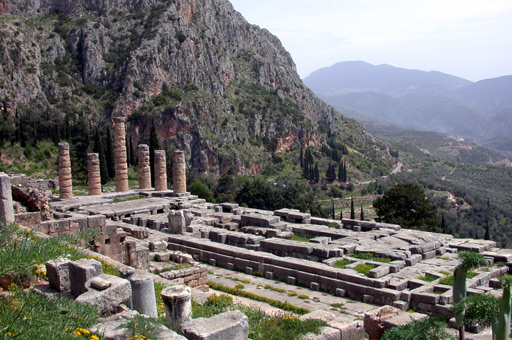


Principal features of the site
The archaeological remains cluster along a steep slope and include temples, treasuries, a theatre and a stadium. Important elements are:
- the Temple of Apollo, the sanctuary's main shrine;
- the Athenian Treasury and other city treasuries built by Greek states to display offerings;
- the Sacred Way, the procession route lined with monuments and dedications;
- the theatre overlooking the valley and the stadium higher up the slope used for athletic contests;
- the Castalian Spring, a ritual source of purification.
Visitors today can see the excavated ruins and interpretive remains that reveal how the sanctuary was organized and used in antiquity.
History and cultural role
Delphi grew in prestige from the Archaic through the Classical and Hellenistic periods. City‑states consulted the Oracle on matters ranging from colonization and legislation to warfare. The sanctuary also hosted the Pythian Games, an athletic and musical festival held every four years that ranked among the major pan‑Hellenic competitions. Over centuries the site accumulated rich votive offerings, inscriptions and monuments that testify to its wide influence.
Museum, discoveries and art
Excavations beginning in the 19th century revealed many of Delphi's treasures and led to the establishment of a modern archaeological museum in the nearby town. Highlights include sculptural masterpieces such as the bronze Charioteer, a celebrated example of early Classical bronze work, which is displayed in the museum. For more on the sanctuary and its finds see the archaeological site resources: Archaeological site overview and the museum information page for the Charioteer: Charioteer of Delphi details.
Modern recognition and legacy
Today Delphi is both a tourist destination and a subject of ongoing archaeological study. The site has been inscribed as a World Heritage Site in recognition of its exceptional historic and cultural value: UNESCO listing. Delphi's legacy endures in literature, art and discussions about ancient religion and Greek identity, and it remains one of the best‑known symbols of classical antiquity.
Notable facts: the omphalos stone at Delphi was long regarded by Greeks as the "navel" of the world, and the sanctuary's combination of political, religious and cultural roles made it unique among ancient Mediterranean institutions.
Related articles
Author
AlegsaOnline.com Delphi, Greece: Sanctuary of Apollo and the Oracle Leandro Alegsa
URL: https://en.alegsaonline.com/art/26423