
Delft University of Technology (TU Delft) — overview, history, and research
TU Delft is the Netherlands' oldest and largest technical university, founded in 1842. It is a leading European centre for engineering, design and applied sciences with a large campus in Delft.
Delft University of Technology (Dutch: Technische Universiteit Delft), commonly called TU Delft, is the Netherlands' oldest and largest technical university. Founded in 1842 as a Royal Academy to train civil engineers, the institution developed into a polytechnic and later an institute of technology before adopting its current name. TU Delft is known for engineering, architecture and applied sciences and attracts a large international student body and research community. For institutional details see the official TU Delft information.
Image gallery
10 Images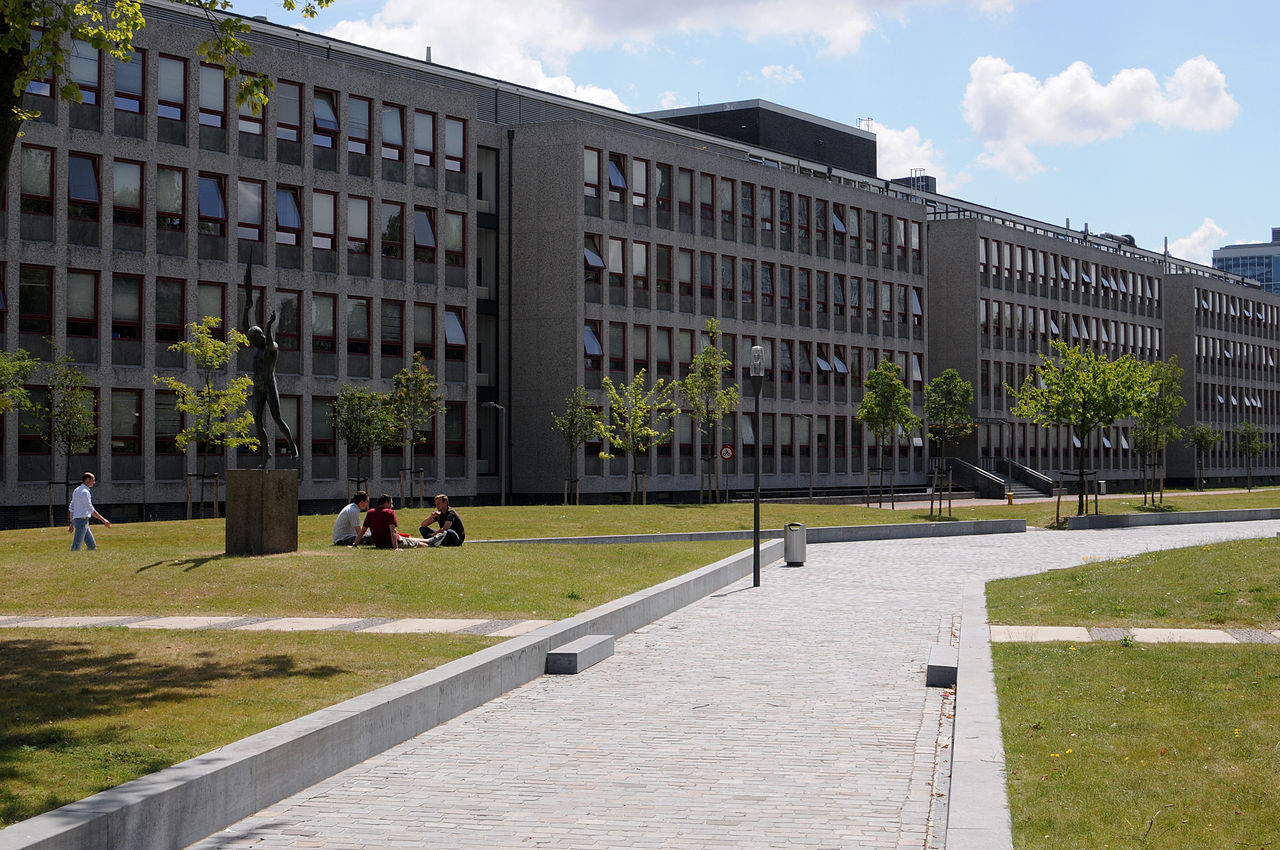




History and development
The university began as a response to industrial and infrastructural needs in the 19th century, training engineers for the rapidly modernising Netherlands. Over the decades it expanded its curriculum, facilities and legal status: from academy to polytechnic (mid-19th century), to institute of technology (early 20th century), and ultimately a modern research university. Its evolution mirrors broader trends in higher technical education, combining practical training with academic research. A concise history and milestones are available on the institutional timeline.
Academic structure and research areas
TU Delft comprises multiple faculties and departments that cover core engineering disciplines and interdisciplinary fields. Teaching and research emphasise design, systems thinking and technological innovation. Typical subject areas include civil, mechanical and aerospace engineering; electrical engineering and computer science; chemical engineering; industrial design; architecture and the built environment.
- Civil engineering and geosciences
- Aerospace engineering and mechanical engineering
- Electrical engineering, mathematics and computer science
- Architecture and the built environment
- Applied sciences and industrial design engineering
Research at TU Delft ranges from fundamental science to applied projects with industrial partners and public authorities. The university hosts specialised labs, test facilities and collaborative research centres that support technology transfer and innovation; more on research programmes can be found at the research portal.
Campus, students and community life
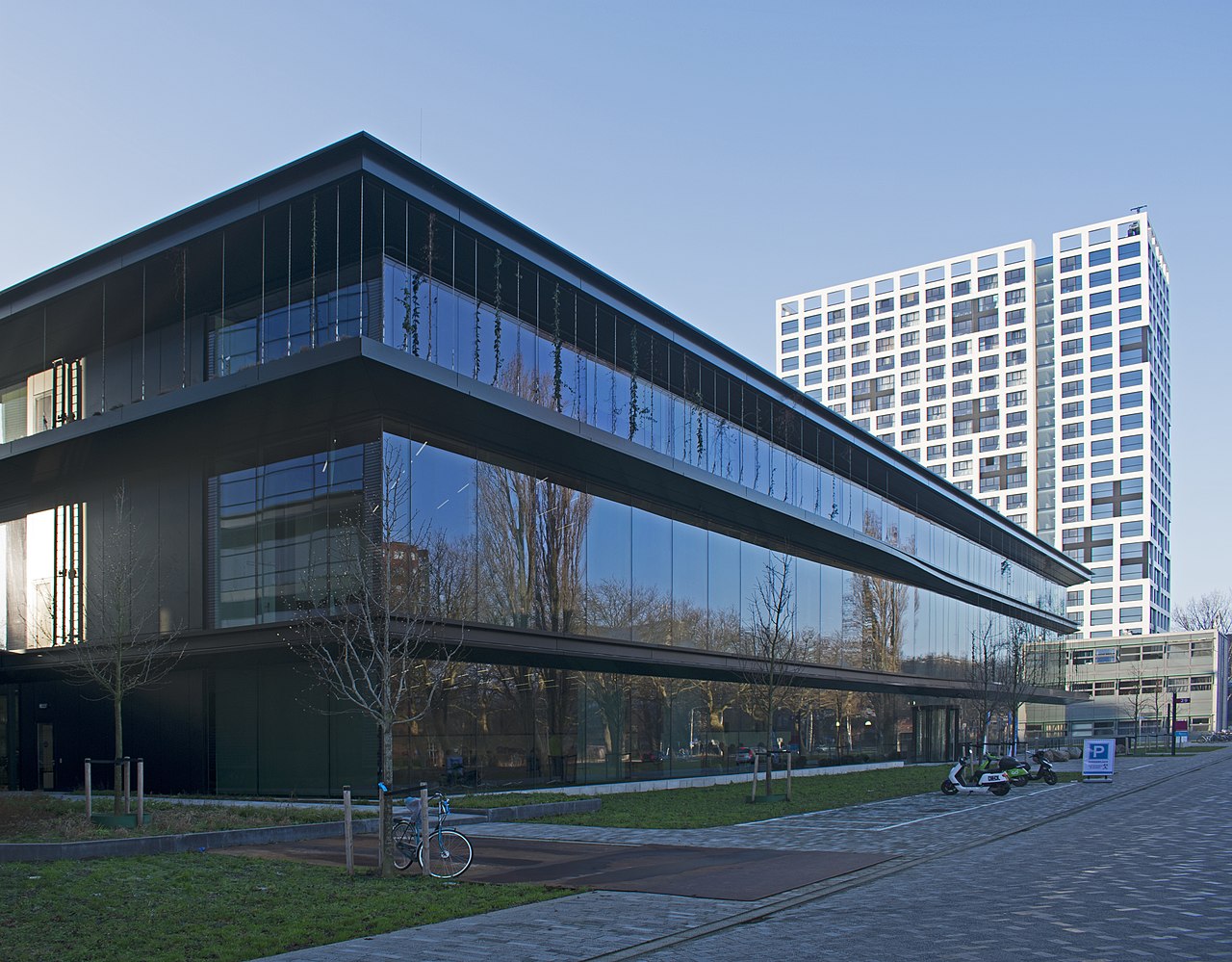
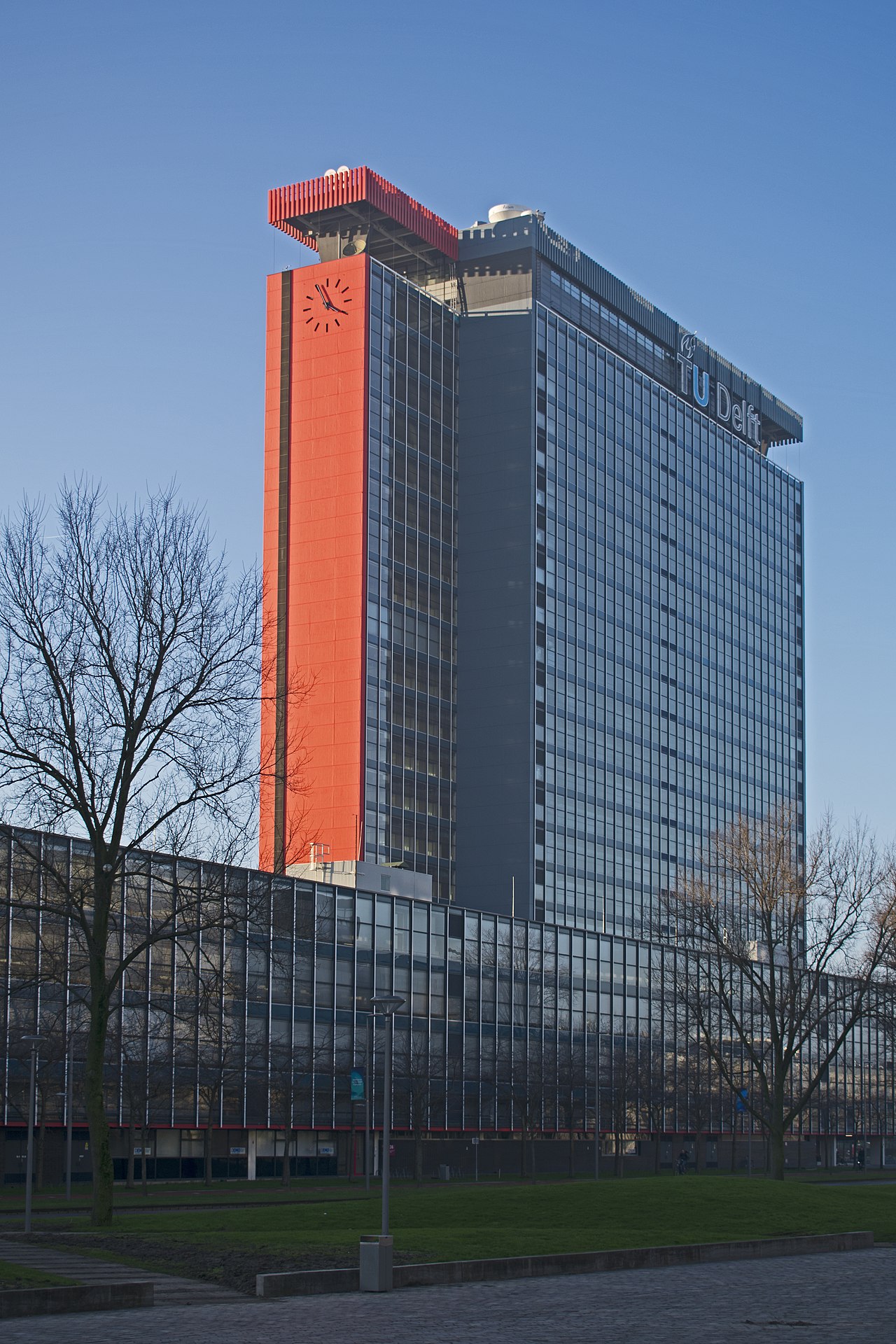
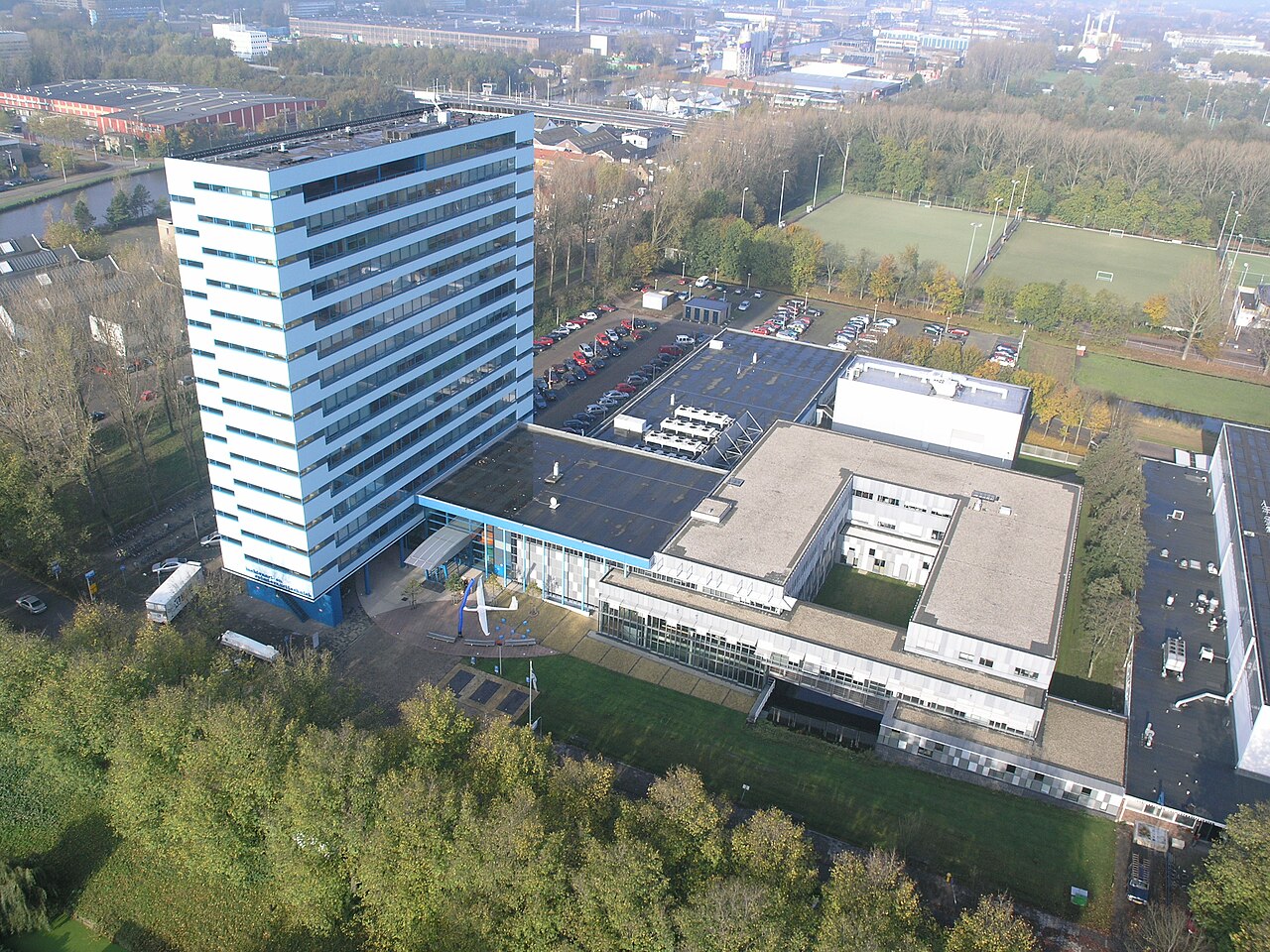
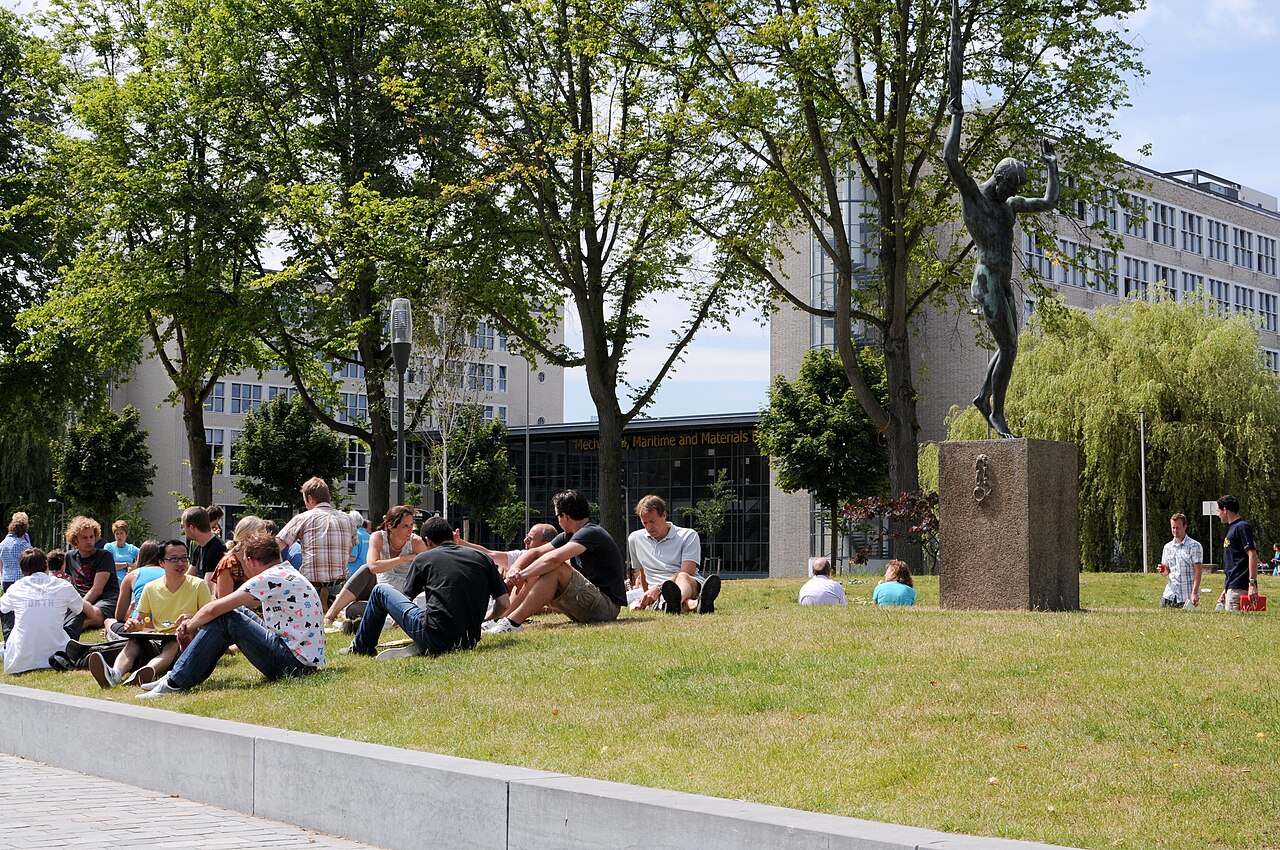
The TU Delft campus covers a large area adjacent to the historic city of Delft, with green spaces, laboratories, workshops and student housing. With tens of thousands of students and a substantial international contingent, campus life mixes study, design teams, student societies and entrepreneurship activities. Facilities include libraries, makerspaces and demonstration halls that support hands-on learning and student-led projects. Visitors and prospective students can consult the campus information and services pages for practical guidance.
Reputation, impact and notable features
TU Delft is consistently recognised for strengths in engineering and technology education and for its contribution to applied research, start-ups and infrastructure projects. Its graduates are active in industry, research and public service, and the university collaborates internationally on large engineering challenges such as sustainable urbanisation, energy systems and mobility. Admissions, collaborations and study programmes are detailed on the admissions and collaborations pages.
Distinctive aspects: a long history rooted in practical engineering education; strong links to industry; a campus that supports hands-on experimentation; and an emphasis on multidisciplinary approaches to societal challenges.
Related articles
Author
AlegsaOnline.com Delft University of Technology (TU Delft) — overview, history, and research Leandro Alegsa
URL: https://en.alegsaonline.com/art/26383