
Orthodontic braces: types, treatment process, and oral care
Overview of orthodontic braces: types (metal, ceramic, lingual, clear aligners), treatment steps, expected timelines, and practical oral‑care tips for safe, effective tooth alignment
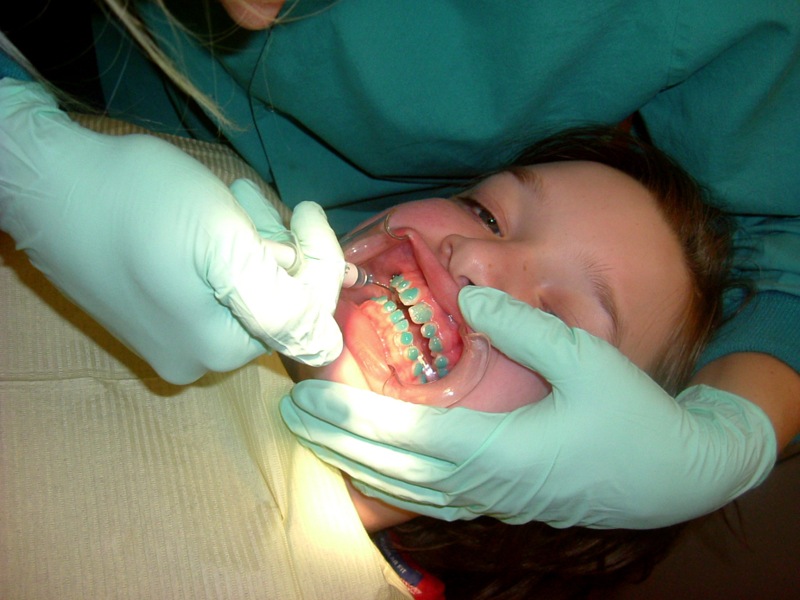
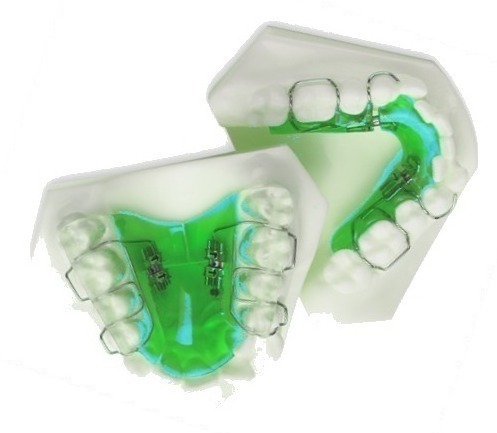
Dental braces are orthodontic appliances that use a system of wires and brackets attached to the permanent teeth to move them into better positions. Brackets are fixed to the tooth surface using dental bonding agents, i.e., they are glued or otherwise bonded to enamel. The wires and brackets can be made from stainless steel, other metals, ceramic, or composite materials.
Image gallery
10 Images


Purpose and who gets them
Braces are used to align teeth and to correct bite problems (malocclusion), such as crowding, spacing, overbite, underbite and crossbite. Treatment is provided by an orthodontist, a dental specialist who assesses whether braces are needed. Not everyone requires orthodontic treatment; the decision depends on functional problems, oral health, and personal preferences.
Treatment process
- Initial assessment and treatment planning, often including X‑rays and dental impressions.
- Attachment of brackets and threading of the archwire; elastic bands or other components may be added.
- Periodic appointments for adjustment, cleaning and monitoring. The timing of visits—every few weeks to a few months—is set by the orthodontist.
- When teeth have moved into the desired positions the braces are removed and retainers are usually fitted to help keep the alignment stable.
Types and cosmetic options
Several designs are available to suit different needs and preferences:
- Traditional metal braces: metal brackets and wires, durable and commonly used.
- Ceramic or tooth‑coloured brackets: less visible than metal, but require care to avoid staining.
- Lingual braces: brackets and wires placed on the tongue side of the teeth so they are hidden from view.
- Clear removable aligners: transparent plastic trays that can be removed for eating and cleaning; suitable for many but not all types of tooth movement.
Practical considerations
Treatment length varies with the complexity of tooth movement and patient cooperation; it commonly ranges from several months to a few years. Oral hygiene is especially important while wearing braces because food particles and plaque can collect around brackets and wires. Braces may be used for functional correction, cosmetic improvement, or both. In many higher‑income countries orthodontic treatment, including cosmetic use, is relatively common among adolescents and young adults.
Related articles
Author
AlegsaOnline.com Orthodontic braces: types, treatment process, and oral care Leandro Alegsa
URL: https://en.alegsaonline.com/art/26640
Sources
- teethbracesideas.com : teethbracesideas.com