
Software Demo: Purpose, Types, and Role in Promotion
An overview of software demos: what they are, common formats (trial, playable, beta), how they’re used in marketing and development, and notable distinctions like the demo scene.
Overview
A demo is a limited or sample version of a creative or software product distributed so potential users can evaluate it before committing to purchase or full installation. Demos appear across media: audio previews of albums, playable slices of a video game, and reduced-function editions of a computer program. They serve both practical evaluation and promotional purposes, helping creators attract attention and collect feedback.
Image gallery
4 Images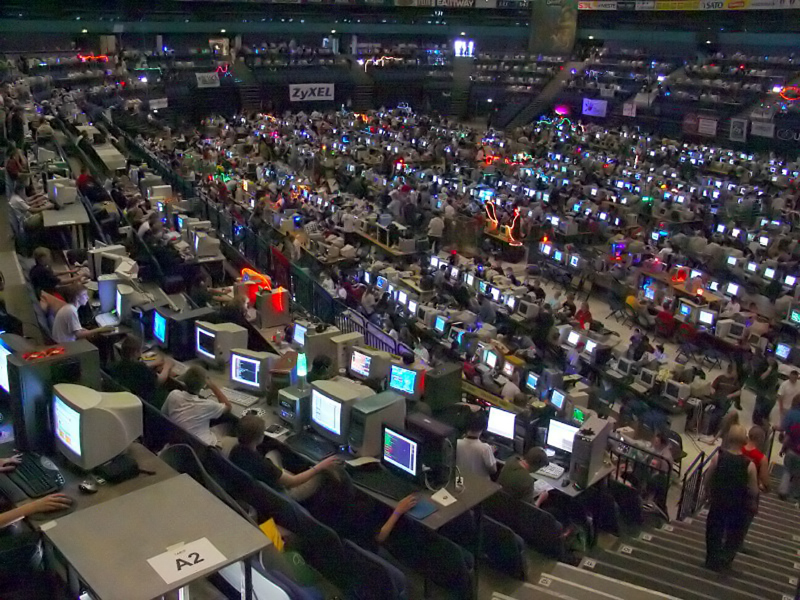


Common characteristics and formats
Demos vary widely in content and restrictions. Typical forms include short, non-interactive previews, time-limited trials, feature-limited versions, and single-level or vertical-slice playable demos. Distribution may be digital download, bundled on physical media, or streamed. Restrictions such as disabled export, watermarks, or limited sessions are frequently used to protect full products while still demonstrating value.
Types and examples
- Playable demos: a small portion of a game or app that users can run.
- Trialware: full or partial software with an expiration or reduced functionality.
- Preview clips: audio or video excerpts to showcase content.
- Bespoke beta/demo releases: early builds for testing or community feedback.
History and cultural notes
Demos have roots in early software distribution and music promotion, evolving as delivery channels changed. The "demo scene" became a subculture where programmers and artists created highly optimized audiovisual demonstrations to show technical skill rather than sell a product. In commercial software, demos were long distributed on floppy disks and cover CDs; today they are commonly offered through download portals and storefronts.
Uses, importance, and distinctions
For developers and publishers, demos are marketing and research tools: they lower the barrier to trial, generate word of mouth, and reveal usability issues. For consumers, demos reduce purchase risk by clarifying whether a product meets needs. Demos differ from betas (which prioritize testing) and from freemium releases (which provide a sustained, limited experience intended to convert users).
Practical considerations
Designing an effective demo requires balancing attraction and protection: it must be appealing enough to convert users while avoiding cannibalizing sales. Clear labeling of limitations, simple installation, and easy upgrade paths from demo to full product tend to improve conversion. Developers sometimes point users to additional information or purchase options via links and promotional material during or after the demo presentation.
Related articles
Author
AlegsaOnline.com Software Demo: Purpose, Types, and Role in Promotion Leandro Alegsa
URL: https://en.alegsaonline.com/art/26480