
Dee Dee Ramone (Douglas Glenn Colvin)
Founding member, bassist and primary songwriter of the Ramones; influential figure in punk rock, later pursued solo work including a brief hip‑hop experiment. Lived 1951–2002.
Overview
Dee Dee Ramone (born Douglas Glenn Colvin, September 18, 1951 – June 5, 2002) was an American singer, songwriter and musician best known as a founding member of the Ramones. He served as the band's bassist and was one of its principal songwriters, contributing a large portion of the short, fast songs and blunt lyrics that helped define early punk music.
Image gallery
3 Images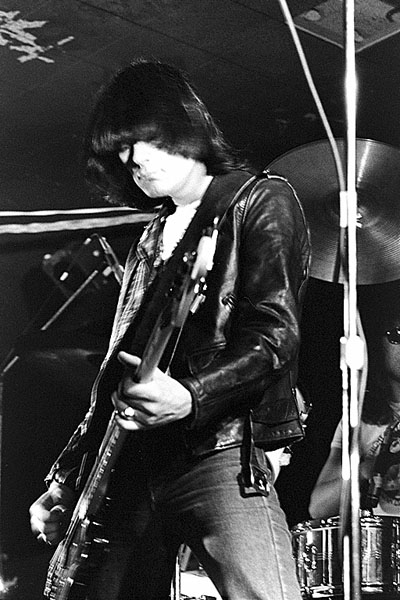


Career and musical role
As a member of the Ramones, Dee Dee helped shape a stripped-down approach to rock: quick tempos, simple chord progressions and direct, often autobiographical lyrics. Although the group is primarily associated with punk rock, his output and interests were broader; in the late 1980s he recorded material under the moniker Dee Dee King that drew on hip hop influences. He left the Ramones as a performing member in 1989 but continued to write songs that the band recorded.
Background and development
Colvin was born at Fort Lee, Virginia, and grew up with a working‑class background that fed into his lyrics and stage persona; his place of birth is sometimes noted as Fort Lee, where his early life began before he moved and later established himself in New York's music scene. His stage name, like those of the other Ramones, was part of a deliberate band identity that emphasized a rough, immediate sound and image.
Notable aspects and works
- Primary responsibilities: bass guitar, lyric writing, occasional lead vocals.
- Songwriting: known for concise, punchy songs about youth, urban life, addiction and alienation.
- Solo projects: released records outside the band and experimented with different styles, including a brief foray into rap.
Influence and legacy
Dee Dee Ramone is widely regarded as one of punk's most important songwriters. His minimalist approach influenced countless bands and helped codify an aesthetic that prized speed and immediacy over virtuosity. Beyond the Ramones' core audience, his music and persona influenced later punk, alternative and indie artists who cited the band's directness as inspirational.
Personal struggles and death
Throughout his life he struggled with substance abuse, which affected both his personal life and professional path. He died on June 5, 2002; reports state his death involved heroin and was characterized as an overdose. His passing at age 50 prompted renewed interest in his work and recognition of his contribution to popular music.
For more detailed timelines and discographies, see additional resources on his life and music: general biographies and music databases provide album lists, songwriting credits and accounts of his time with the Ramones and his later solo efforts. Contemporary articles and retrospectives explore how his compact songs and plainspoken lyrics became a model for generations of punk and rock musicians. Additional reading: birthplace and early life summaries, career overviews via music references (vocal and composer perspectives) and genre histories tracing punk's development.
Related articles
Author
AlegsaOnline.com Dee Dee Ramone (Douglas Glenn Colvin) Leandro Alegsa
URL: https://en.alegsaonline.com/art/26206