
Overdose (drug poisoning): causes, effects, and emergency response
An overdose happens when intake of a drug or chemical exceeds the body's ability to tolerate it. Covers causes, signs, immediate treatment, prevention and distinctions between accidental and intentional cases.
Overview
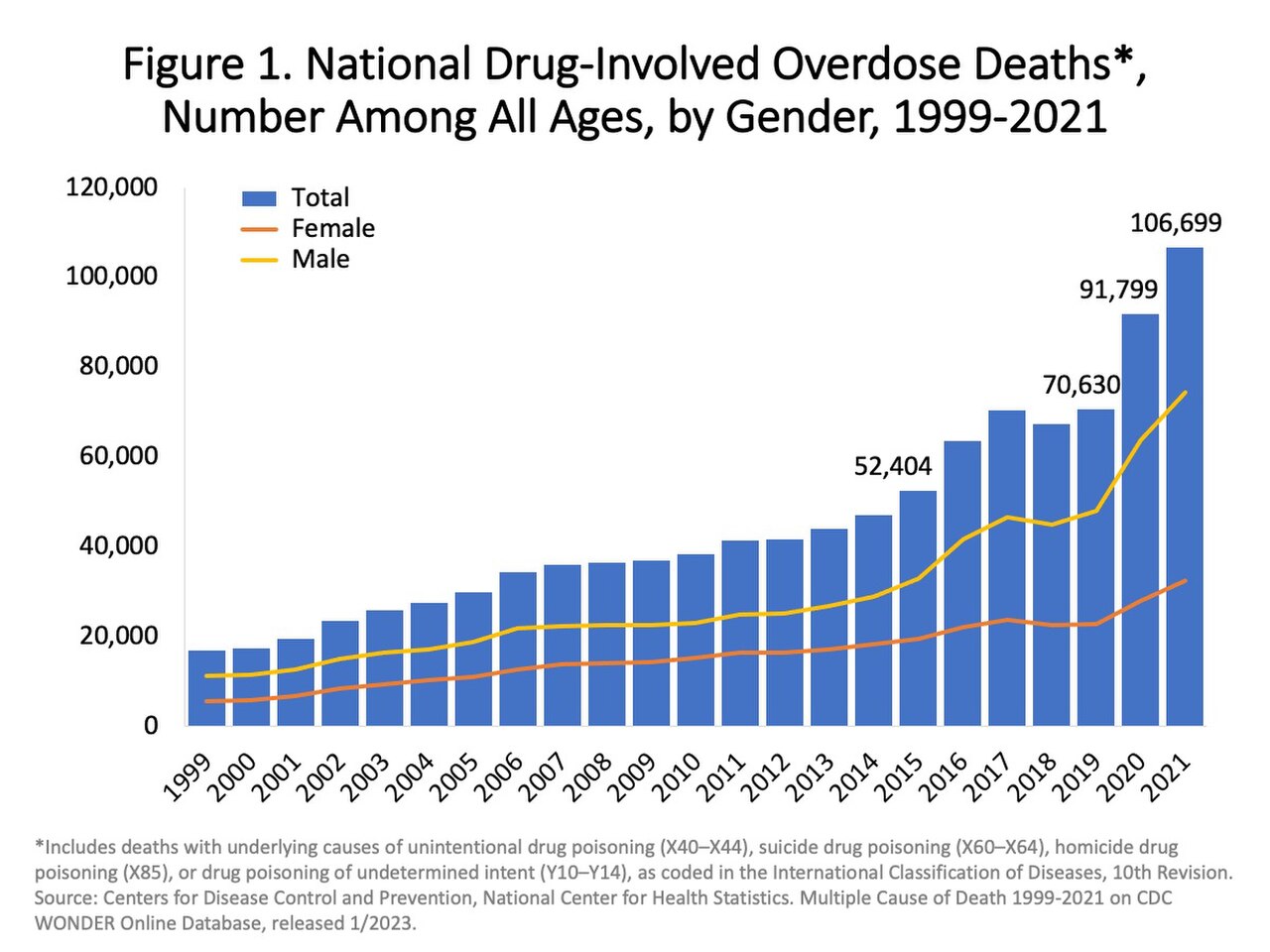
An overdose is an acute condition that arises when a person is exposed to a dose of a medication, recreational drug, or chemical that produces harmful physiological effects. In clinical and public health contexts an overdose is treated as a type of poisoning: the substance disrupts normal body systems, sometimes fatally. Overdoses occur across ages and settings and can be intentional, such as a suicide attempt, or unintentional, for example due to medication errors or mixing substances.
Image gallery
10 Images




Causes and types
- Intentional overdoses: deliberate self-harm or suicide attempts, often involving large quantities of prescription or over-the-counter medicines.
- Accidental overdoses: mistakes in dosing, accidental ingestion by children, or unintentional consumption of illicit or mislabelled substances.
- Recreational/poly-drug use: mixing drugs (including alcohol) can magnify effects and lead to toxicity.
- Therapeutic misadventure: adverse events from prescribed drugs when dosed incorrectly or given to vulnerable individuals (elderly, those with organ impairment).
Signs, affected systems, and notable features
Symptoms depend on the substance but commonly include altered consciousness, slowed or absent breathing, abnormal heart rate or blood pressure, vomiting, seizures, and dangerously high or low body temperature. Some agents—such as opioids—primarily depress respiration, while others like stimulants can provoke agitation, high blood pressure, and cardiac complications. Chronic toxic exposures differ from acute overdose in timing and presentation.
Treatment and emergency response
Immediate steps focus on airway, breathing and circulation and rapid medical assessment. Basic actions include:
- Call emergency services and describe the substance and amount if known.
- Support breathing and circulation; administer naloxone for suspected opioid overdose if available.
- Avoid giving sedating substances; follow dispatcher or medical advice until professionals arrive.
- In hospital, clinicians may use activated charcoal, antidotes, supportive care, and monitoring of organ function.
Prevention, public health and distinctions
Prevention combines safe prescribing, patient education, secure storage of medicines, prescription monitoring, and wider measures such as harm-reduction services and community access to antidotes. Distinctions to note: an adverse drug reaction is not the same as an overdose (dose-related toxicity); chronic poisoning develops over time, whereas an overdose is typically an acute event. Public health responses vary by region and substance, for example targeted strategies for opioid-related overdoses versus acetaminophen toxicity.
For more information and resources see: general drug information, suicide prevention resources, accidental poisoning guidance, recreational drug harm reduction, poison control information, and mortality and public health data.
Related articles
Author
AlegsaOnline.com Overdose (drug poisoning): causes, effects, and emergency response Leandro Alegsa
URL: https://en.alegsaonline.com/art/73716