
Diana, Princess of Wales (1961–1997)
British royal, humanitarian and cultural figure noted for charity work, public style, and influence; first wife of King Charles III and mother of Princes William and Harry.
Overview
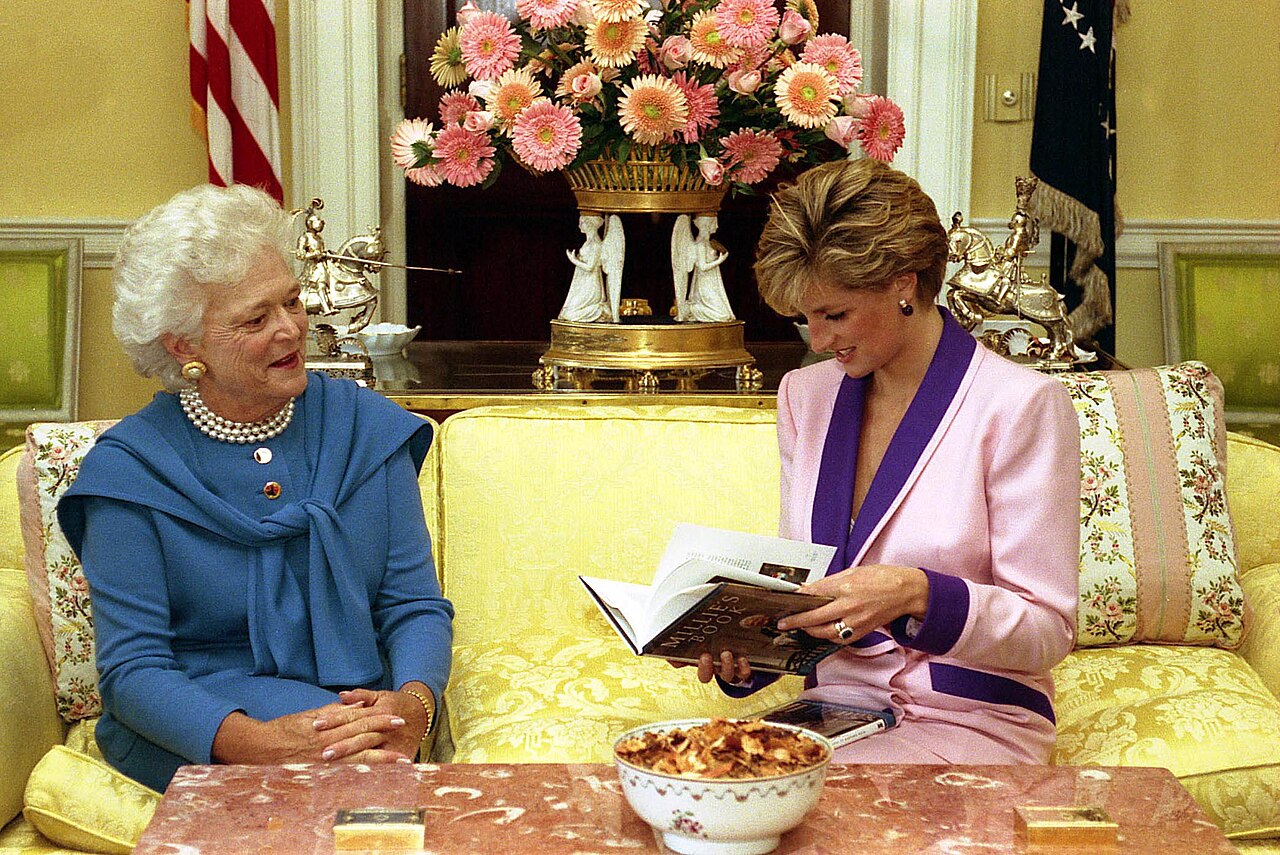
Diana Frances Spencer (1 July 1961 – 31 August 1997), commonly known as Diana, Princess of Wales, was a prominent member of the British royal family. She became an international public figure after her 1981 marriage to Charles III and remained influential through her humanitarian work, media presence, and role as mother to her sons, Prince William and Prince Harry.
Image gallery
10 Images




Early life and marriage
Born into an aristocratic family with ties to the British court, Diana grew up in England and trained briefly as a nursery teacher. Her engagement and subsequent wedding to the heir apparent brought intense public attention. The marriage produced two sons but later faced well-documented difficulties, separation, and divorce.
Public role and advocacy
Diana used her visibility to draw attention to causes that were often neglected or controversial at the time. She worked on issues such as HIV/AIDS awareness, the welfare of children and the homeless, and the campaign to ban anti-personnel landmines. Her direct, empathic style of engagement—meeting people affected by illness, poverty, or conflict—helped change public attitudes and charity practices.
Image and cultural impact
Beyond formal duties, Diana became a global style icon and a symbol of modern, approachable royalty. Her openness about personal struggles and her frequent interaction with the press reshaped expectations for public figures, influencing fashion, media coverage, and charitable fundraising.
Death and legacy
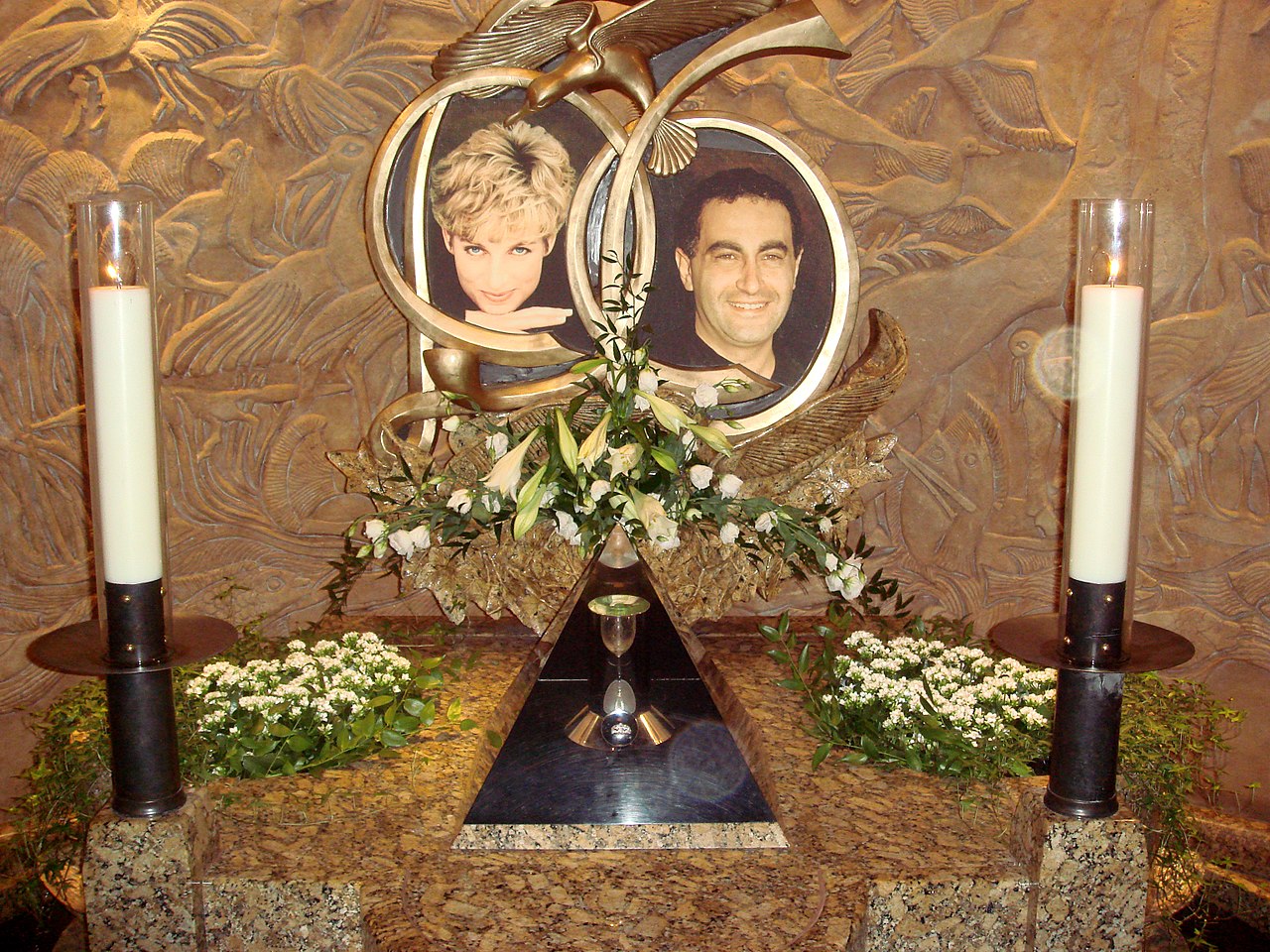
Diana died in a car crash in Paris in 1997, an event that prompted widespread public mourning and debate about media intrusion. Her legacy continues through ongoing charitable initiatives, the public activities of her sons, and enduring public interest in her life. She remains a subject of historical study as an influential figure in late 20th-century public life.
Notable facts
- Mother of two senior royals and a central figure in the modern monarchy.
- Recognized for breaking stigmas around illness and for hands-on campaigning.
- Often cited as a turning point in how charities and media interact with public personalities.
Related articles
Author
AlegsaOnline.com Diana, Princess of Wales (1961–1997) Leandro Alegsa
URL: https://en.alegsaonline.com/art/117602
Sources
- bbc.co.uk : "The Life of Diana, Princess of Wales 1961–1997"
- princeofwales.gov.uk : Prince of Wales - Titles