
Dean, Cumbria: village and civil parish in Allerdale
Dean is a small village and civil parish in the Allerdale district of Cumbria, northwest England. It is a rural community with historic roots, local amenities and links to nearby towns and the Lake District.
Dean is a village and civil parish in the Allerdale district of Cumbria in northwest England. It is a small, rural settlement set among agricultural land and low hills typical of the region. According to the 2001 census the parish had 1,077 residents; more recent counts will reflect later demographic change but the community remains comparatively small.
Image gallery
1 Image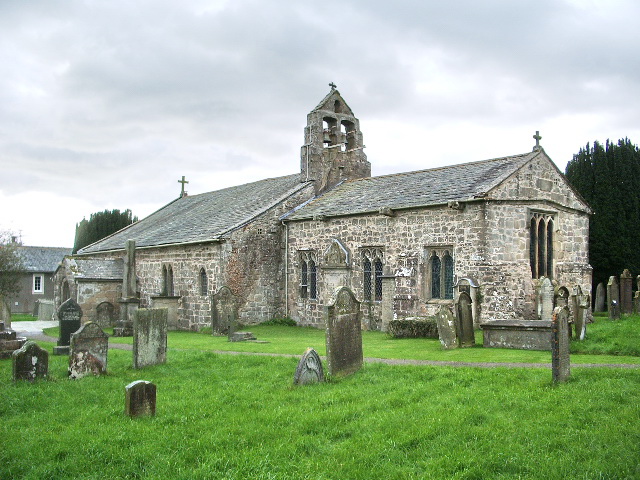
Geography and name
The parish lies within the broader landscape of Cumbria, an area known for its fields, hedgerows and proximity to the Lake District National Park. The place-name "Dean" is common in England and probably derives from Old English denu or dene, meaning a valley or hollow; this etymology reflects the village's siting within gently undulating terrain rather than high fells.
History and community
Dean's origins are agricultural and its history follows the patterns of many Cumbrian villages: small-scale farming, local craftsmanship and parish-centered life. Over centuries the settlement would have been shaped by enclosure, changes in farming practice and the development of rural transport links. Today the village retains community institutions typical of English parishes, such as a parish council, a church and local meeting spaces that serve residents and nearby hamlets.
Administration and connections
Administratively Dean is part of the Allerdale borough. Local services, planning and community matters are handled through parish and borough bodies, with larger facilities available in nearby market towns. The village has practical road links to neighboring centres and lies within reach of larger towns such as Cockermouth and Workington, as well as the visitor attractions of the Lake District.
- Rural character: predominately agricultural landscape and scattered housing.
- Historic roots: name and settlement pattern reflect longstanding rural occupation.
- Local governance: civil parish within the Allerdale district.
- Accessibility: close to regional towns and national park attractions.
Dean exemplifies a small Cumbrian parish: modest in population but rooted in local traditions and landscape, serving as a base for rural life and access to wider services in the region.
Related articles
Author
AlegsaOnline.com Dean, Cumbria: village and civil parish in Allerdale Leandro Alegsa
URL: https://en.alegsaonline.com/art/25985
Sources
- neighbourhood.statistics.gov.uk : Neighbourhood Statistics