
David Wilkerson: American evangelist, author and founder of Teen Challenge
Profile of David Wilkerson (1931–2011), an American Pentecostal-leaning pastor, founder of Teen Challenge and Times Square Church, author of The Cross and the Switchblade and The Vision.
Overview
David Ray Wilkerson was an American pastor, evangelist and writer, born on May 19, 1931 in Hammond, Indiana. Known for a direct street-level approach to ministry, he became prominent for working with young people caught in crime and addiction and for combining pastoral ministry with national and international outreach. He died in a car accident on April 27, 2011 in eastern Texas.
Image gallery
1 Image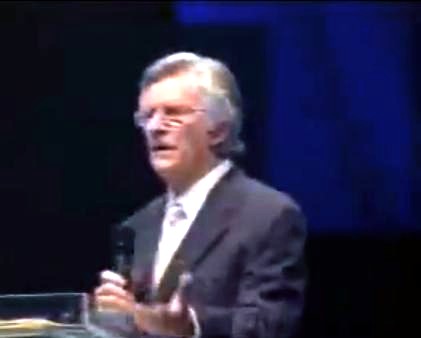
Background and theological orientation
Wilkerson did not belong to a single formal denomination and often described his work as independent of established church structures; observers and scholars typically place his theology and practice within a broadly Pentecostal-influenced evangelical framework. He served as a pastor in Pennsylvania before expanding his ministry to urban settings. His style combined itinerant evangelism, pastoral counseling and an emphasis on personal conversion, holiness, and the gifts of the Spirit.
Major ministries and organizations
Wilkerson founded several organizations aimed at rescue and renewal, often focused on youth and urban populations. Key initiatives include:
- Teen Challenge (founded 1960) — a Christian recovery program for adolescents and adults struggling with substance abuse and criminal involvement, begun after Wilkerson's outreaches to gang members and drug users in New York City.
- Youth Crusades (mid-1960s) — a series of evangelistic and preventive efforts directed at teenagers.
- World Challenge (1971) — an organization created to support pastors, missions and global evangelism.
- Times Square Church (established 1987) — an independent congregation in Manhattan that became a large, multiethnic urban church drawing people from diverse backgrounds.
Writings and prophetic themes
Wilkerson authored several widely read books. His first and best-known work, The Cross and the Switchblade (1962), recounted his street ministry among gang members and was adapted into a film. Another influential title, The Vision (1974), presented a series of warnings and prophetic impressions about moral decline, social unrest and spiritual challenges. He later expanded these themes in follow-up writings, addressing topics that include civil disorder, arson and riots in cities (riots, arsons), financial instability and moral consequences of societal choices.
Wilkerson spoke about end-times symbolism and controversial prophetic topics, sometimes referring to traditional Christian concepts such as the Number of the Beast and the Antichrist, and he framed many warnings as appeals to repentance from what he described as sinful behavior. Commentators note that his prophetic style mixed pastoral concern with apocalyptic imagery, and reactions to his predictions ranged from strong support among followers to critical scrutiny from other Christian leaders and scholars (prophecies).
Impact and legacy
Wilkerson's practical model of rescue ministry influenced later faith-based rehabilitation programs and urban outreach efforts. Teen Challenge grew into a network of recovery centers that inspired similar initiatives internationally. The Times Square Church became a high-profile urban congregation known for its music, preaching and multiethnic membership. His books, especially The Cross and the Switchblade, kept his story and methods in public view and continue to be read by those interested in urban ministry and Christian evangelism.
Death and remembrance
Wilkerson's sudden death in 2011 brought an outpouring of remembrance from former students, ministry colleagues and congregants. He is remembered for his evangelistic zeal, hands-on work with troubled youth and for founding institutions intended to offer long-term spiritual and practical recovery. Biographical summaries and retrospectives often link his early work in New York City to later international efforts and to the enduring institutions he helped establish.
For further reading, one may consult historical accounts and collections of Wilkerson's sermons and books, as well as institutional histories of the organizations he founded.
Related articles
Author
AlegsaOnline.com David Wilkerson: American evangelist, author and founder of Teen Challenge Leandro Alegsa
URL: https://en.alegsaonline.com/art/25825
Sources
- cbn.com : "Rev. David Wilkerson Killed in TX Car Crash"