
Davoud Ahmadinejad — Iranian politician and elder brother of Mahmoud Ahmadinejad
Davoud Ahmadinejad (1950–2017) was an Iranian political figure, head of the Presidential Inspection Commission after 2005, a brief 2013 presidential hopeful, and the elder brother of Mahmoud and Parvin Ahmadinejad.
Davoud Ahmadinejad (13 March 1950 – 4 October 2017) was an Iranian political figure best known for his family connection to former president Mahmoud Ahmadinejad and for holding a supervisory role in the presidential administration in the years after 2005. Born in the small town of Aradan in Semnan province, he remained a relatively low-profile actor in national politics compared with some of his relatives.
Image gallery
3 Images

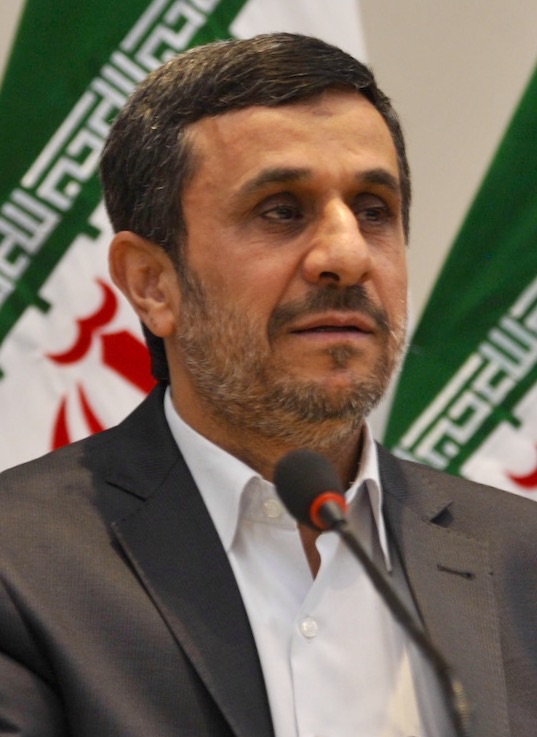
Early life and family
Davoud was born into a rural family in Aradan. He was the elder brother of both Mahmoud Ahmadinejad and their sister Parvin Ahmadinejad. Like several members of his family, Davoud became involved in local and national political networks, which later brought him into roles inside the presidential apparatus.
Political career and roles
After his brother was elected president in 2005, Davoud received a formal appointment to a supervisory position within the executive branch. His most notable post was as head of the Presidential Inspection Commission, a body charged with oversight and internal review.
- Head of Presidential Inspection Commission (appointed after 2005)
- Occasional participant in conservative political circles and public events
2013 presidential bid
Davoud Ahmadinejad registered to run in the 2013 presidential election and at times appeared in media reports as a potential contender. He withdrew his candidacy before the election took place, a decision reported without extensive public explanation. His short-lived bid received limited traction compared with better-known figures.
Death and legacy
Davoud Ahmadinejad died on 4 October 2017 in Tehran, reportedly of a heart attack, at the age of 67. Obituaries noted his role as a presidential inspector and his relation to Mahmoud Ahmadinejad; commentators described him as a secondary political actor whose importance derived largely from family ties and administrative duties rather than a separate national profile.
Notable facts and distinctions
Although involved in public administration, Davoud never achieved the same prominence as his brother. His career illustrates how familial networks can shape appointments within Iranian politics, and how some figures play supporting roles in governmental oversight without becoming widely prominent public leaders.
Related articles
Author
AlegsaOnline.com Davoud Ahmadinejad — Iranian politician and elder brother of Mahmoud Ahmadinejad Leandro Alegsa
URL: https://en.alegsaonline.com/art/25854
Sources
- bbc.com : "داوود احمدینژاد درگذشت"
- rferl.org : "Ahmadinejad's 'Family Justice'"
- pbs.org : "Ahmadinejad & Family Take on 'New' Foreign Policy"
- theguardian.com : "Akbar Hashemi Rafsanjani to stand in Iran presidential election"
- worldcat.org : 0261-3077
- khabaronline.ir : "خبرآنلاین – اعلام نامزدی داوود احمدینژاد و جواد اطاعت در آخرین روز ثبت نام از نامزدهای انتخابات ریاست جمهوری/برادر رئیس جمهور: به پشتوانه ملت سیلی محکمی به آمریکا خواهیم زد"