
Dalmatian Italians: history, culture, and modern communities
Italians whose families originate from Dalmatia, a historical Adriatic region now mostly in Croatia, with communities shaped by Venetian rule, maritime culture, bilingualism and 20th‑century migration.
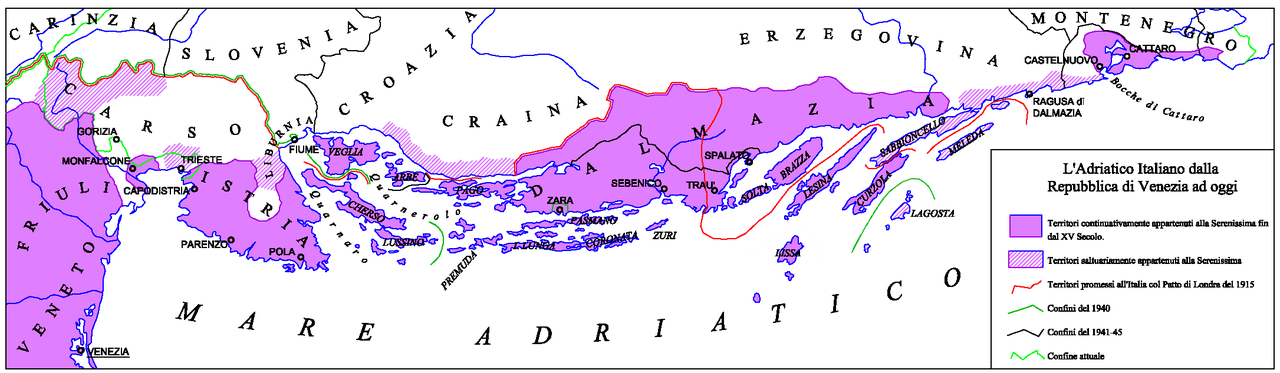
Dalmatian Italians are people and communities of Italian cultural and linguistic heritage whose families originate from the Adriatic region of Dalmatia. That historical coastal zone lies today largely within Croatia, with smaller parts in Montenegro and Bosnia and Herzegovina. The identity blends local Adriatic traditions with Italian language and customs developed over many centuries.
Image gallery
10 Images





Characteristics and cultural life
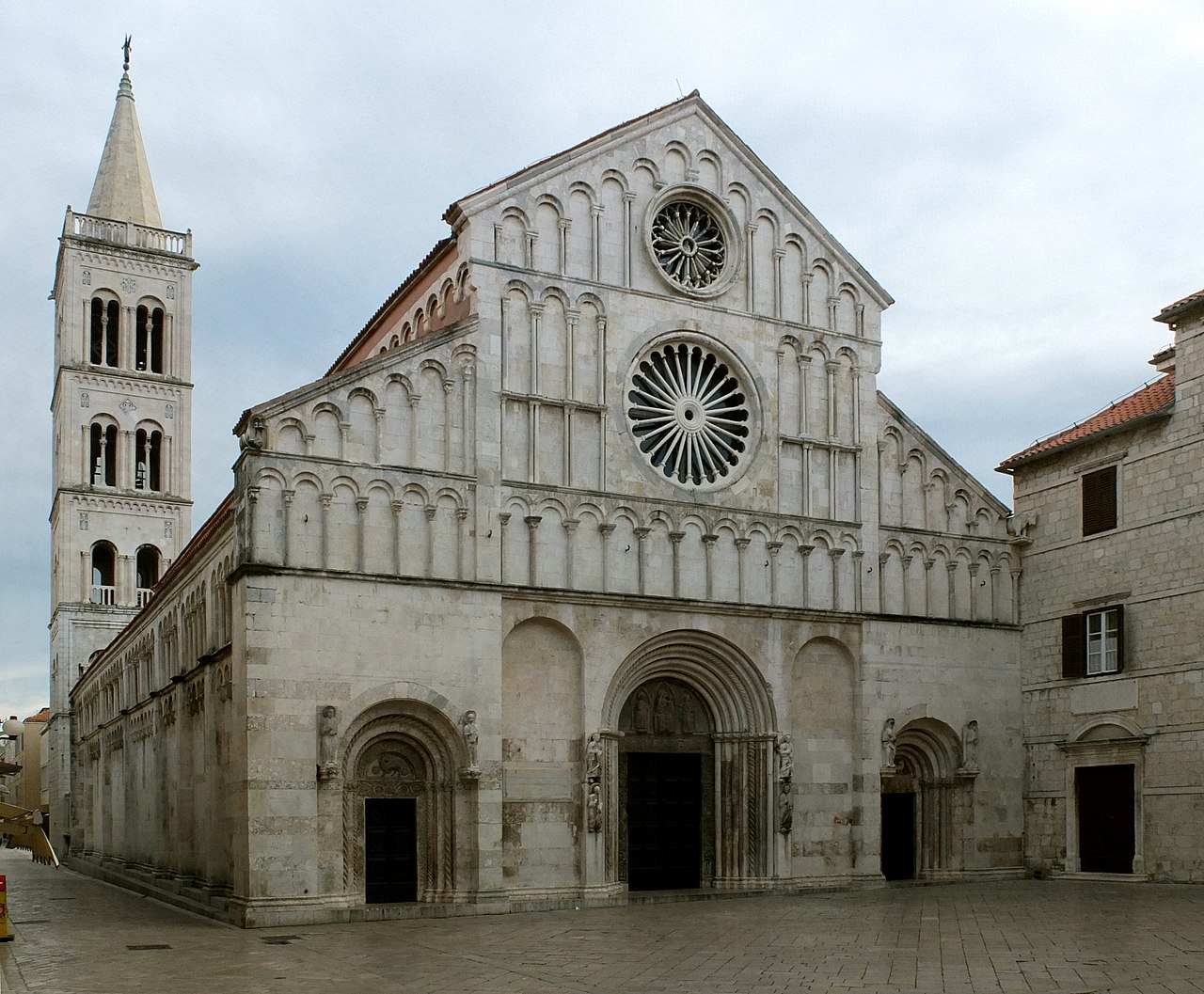
Many Dalmatian Italians have traditionally lived in coastal towns and islands, where maritime trade, shipbuilding and fishing shaped daily life. Italian speech in the area reflected Venetian and regional dialects rather than standard peninsular Italian; Roman Catholicism was the predominant religion. Built heritage — churches, palaces and seafront architecture — often shows strong Venetian and Mediterranean influence.
Historical background
The presence of Romance-speaking communities on the eastern Adriatic goes back to late antiquity and the Middle Ages. Venetian rule and seafaring commerce reinforced Italianate culture in ports and cities for centuries. Other periods of governance, including Byzantine and Austro-Hungarian rule, also contributed to a mixed cultural landscape.
20th-century changes and migration
Political changes after World War I and especially after World War II led to large-scale departures of ethnic Italians from Dalmatian towns. Many emigrated to Italy, other European countries, and overseas. These movements reduced community numbers but also spread Dalmatian Italian traditions abroad.
Contemporary situation and recognition
Today small Italian-speaking communities remain in parts of the Adriatic coast. Cultural associations, bilingual signage in some municipalities, and legal minority protections in the region help preserve language and customs. Cuisine, music and local festivals continue to reflect the hybrid Dalmatian–Italian heritage.
Notable distinctions
- Language: local Venetian-influenced dialects and the now-extinct Dalmatian Romance language shaped speech patterns.
- Architecture and urban culture: strong Venetian maritime legacy in port towns.
- Historical memory: 20th-century border changes and migrations are central to the group's modern history.
For readers seeking more, local cultural institutions and minority organizations provide detailed histories and community resources in the region.
Related articles
Author
AlegsaOnline.com Dalmatian Italians: history, culture, and modern communities Leandro Alegsa
URL: https://en.alegsaonline.com/art/25231
Sources
- books.google.com : A Tragedy Revealed: The Story of the Italian Population of Istria, Dalmatia, and Venezia Giulia, 1943-1956
- xoomer.virgilio.it : Italians in Dalmatia, Istria and Fiume (in Italian)
- anvgd.it : Article pertinent prohibition to buy houses versus Italian people not resident in Croatia
- anvgd.it : Association
- lussinpiccolo-italia.net : Community
- comunitachersina.com : Exiles
- sddsp.it : Historical association
- dalmaziaeu.it : Magazine