
Dakar, Senegal: capital city and Atlantic gateway
Dakar is the capital and largest city of Senegal, located on the Cape Verde peninsula on Africa’s Atlantic coast. It is a major port, cultural hub, administrative center and transportation gateway for West Africa.
Overview. Dakar is the principal capital city of Senegal, situated on the Cape Verde (Cap-Vert) peninsula at the country's Atlantic shoreline. The city occupies a strategic position on the Atlantic coast at the western edge of the African mainland, making it an important hub for maritime links between West Africa and the wider world.
Geography and population. Dakar spreads across a rocky peninsula and nearby low-lying suburbs, with a busy natural harbour that supports fishing and commercial shipping. The city itself has an estimated population of about 1,030,594 people, while the broader metropolitan region contains roughly 2.45 million residents. Economic activity centers on the port, services, light manufacturing and informal markets that serve a rapidly growing urban population.
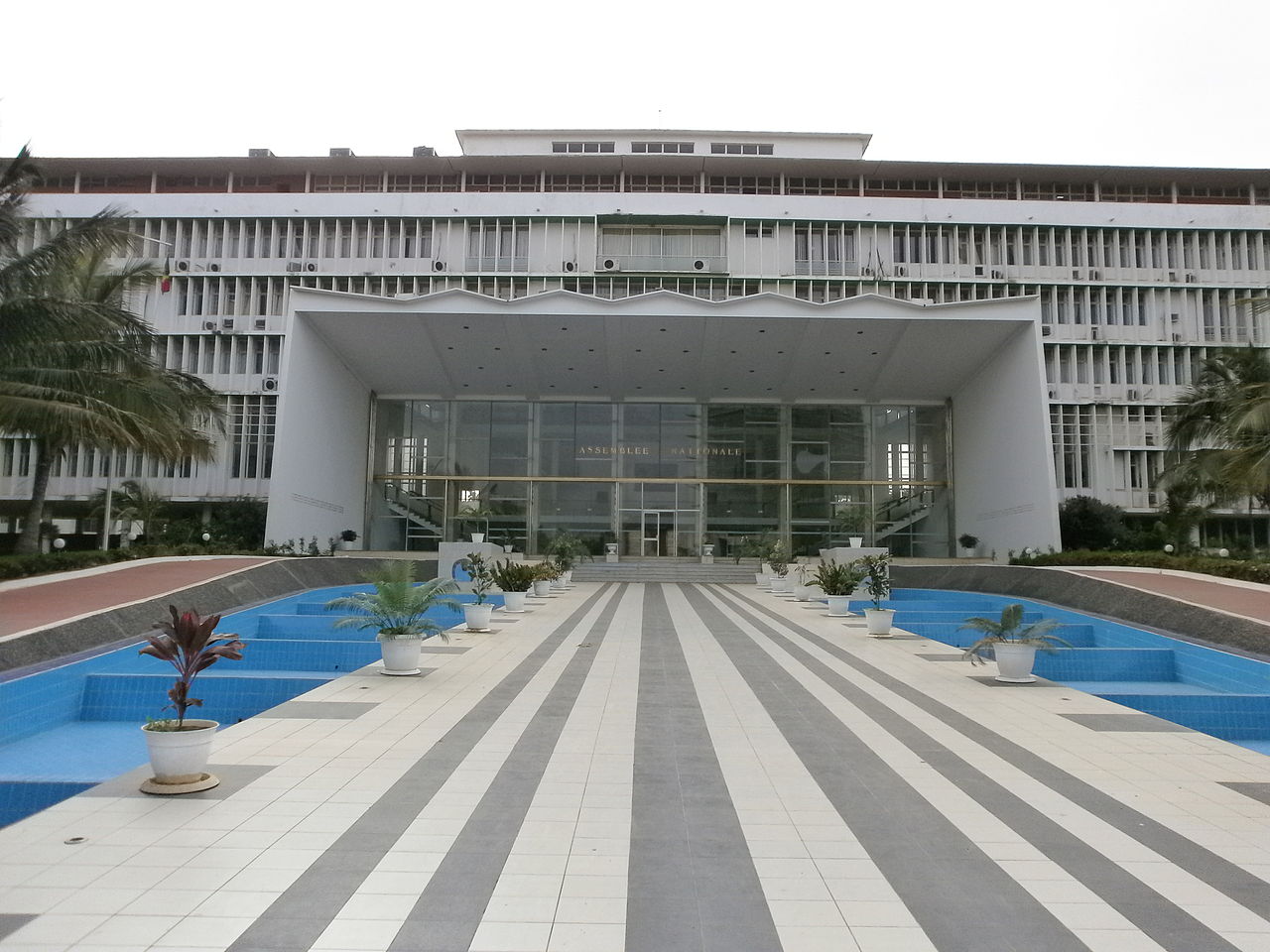
Government and institutions. As the national seat of government, Dakar hosts the National Assembly and the Presidential Palace, as well as ministries, diplomatic missions and major public institutions. The city is also home to leading universities and research centers, which contribute to its role as Senegal’s political and educational core.
History and culture. Dakar grew in importance under colonial rule as an administrative and trading center and later developed into the independent nation’s capital. Nearby Île de Gorée is notable for its historical role in the transatlantic slave trade and is a site of memory and tourism. Dakar has a lively cultural scene—music, visual arts and contemporary festivals attract both regional and international attention. The city was famously linked to the Paris–Dakar rally, which used Dakar as its original finishing point.
Economy, transport and services. The port remains central to Dakar’s economy, handling imports, exports and regional transshipment. Fishing and seafood processing are important local industries. Dakar is served by international and domestic air connections and by road networks linking the city to other parts of Senegal and neighboring countries. Urban services, markets and creative industries provide livelihoods for many residents.
Image gallery
10 Images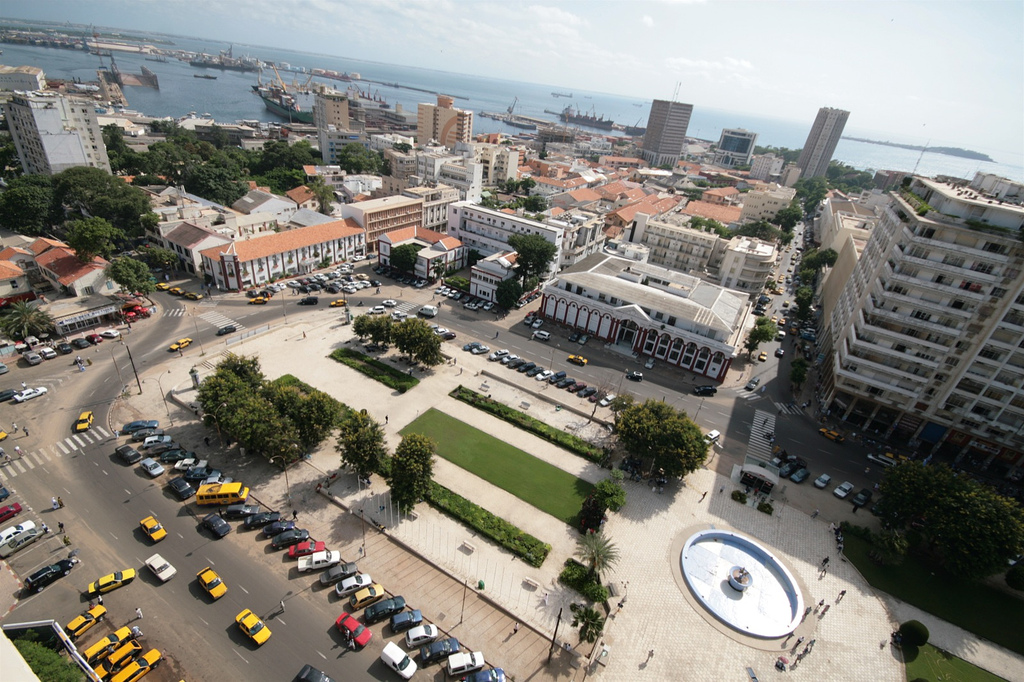




Notable places and features
- Commercial port and maritime facilities that connect West Africa to global trade routes.
- Historic sites such as Île de Gorée and colonial-era architecture.
- Major civic institutions, museums, and university campuses.
- Vibrant music scenes and contemporary art events that define Dakar as a cultural capital.
Distinctive facts. Located on the westernmost peninsula of mainland Africa, Dakar functions as both the administrative heart of Senegal and a gateway for commerce, culture and travel in the region. Its mixture of historic landmarks, active port operations and modern urban growth make it a focal point for understanding West African urban life.
Related articles
Author
AlegsaOnline.com Dakar, Senegal: capital city and Atlantic gateway Leandro Alegsa
URL: https://en.alegsaonline.com/art/25154
Sources
- jeuneafrique.com : L'opposant Khalifa Sall élu maire de Dakar
- dakar.climatemps.com : climatemps.com
- data.un.org : UN Data