
Alfred Pleasonton: Union cavalry leader in the Gettysburg Campaign
Union cavalry officer Alfred Pleasonton (1824–1897) commanded the Army of the Potomac’s cavalry during the Gettysburg Campaign and led forces at Brandy Station, the war's largest cavalry battle.
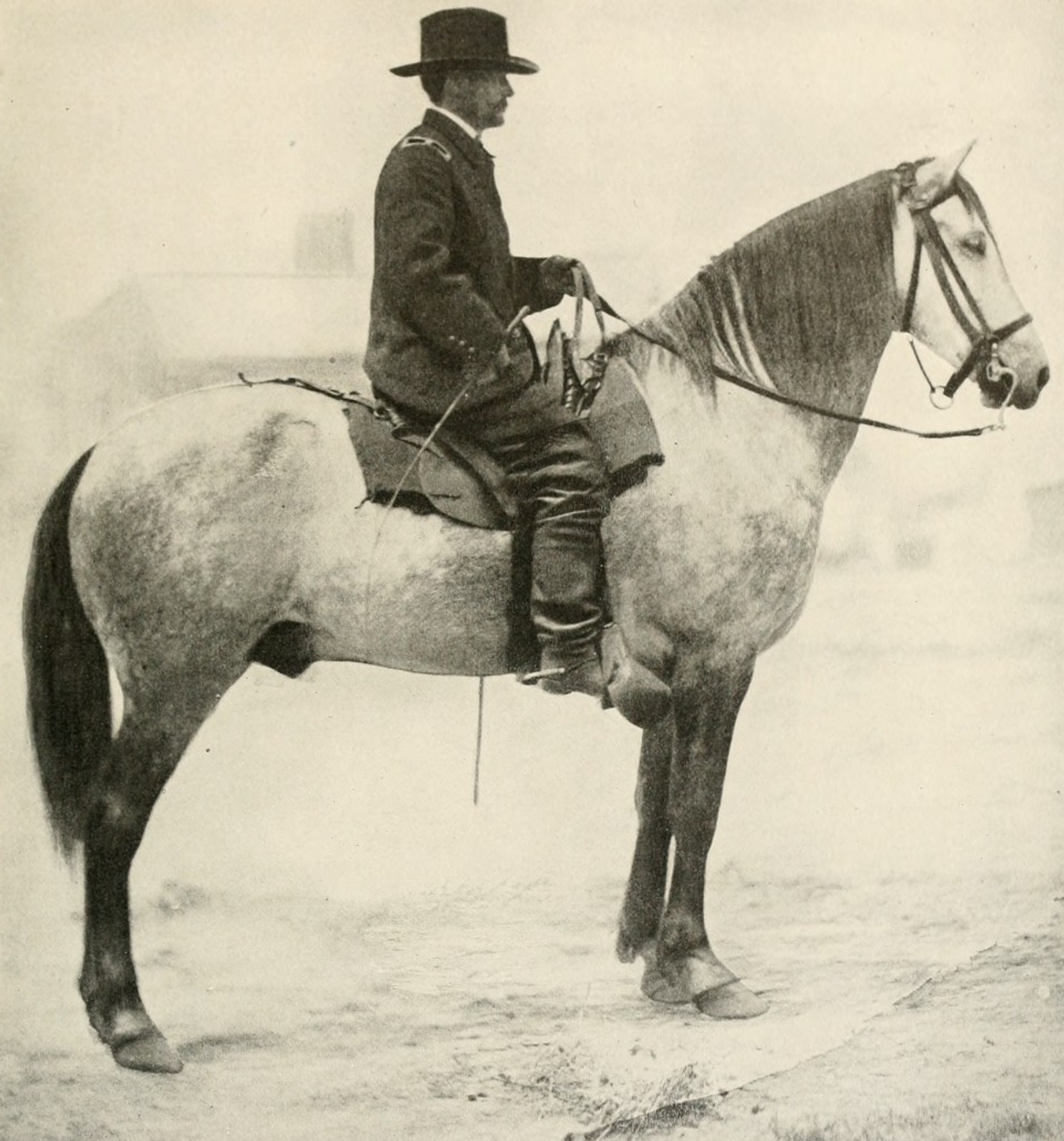
Alfred Pleasonton (July 7, 1824 – February 17, 1897) was a senior American cavalry officer who rose to the rank of major general of volunteers during the American Civil War. He served in the United States Army and is best known for commanding the Union cavalry assigned to the Army of the Potomac during the critical Gettysburg Campaign. Pleasonton played a central role in organizing and deploying mounted forces at a time when the Union cavalry was evolving from a scouting arm into a more aggressive, independent force.
Image gallery
7 Images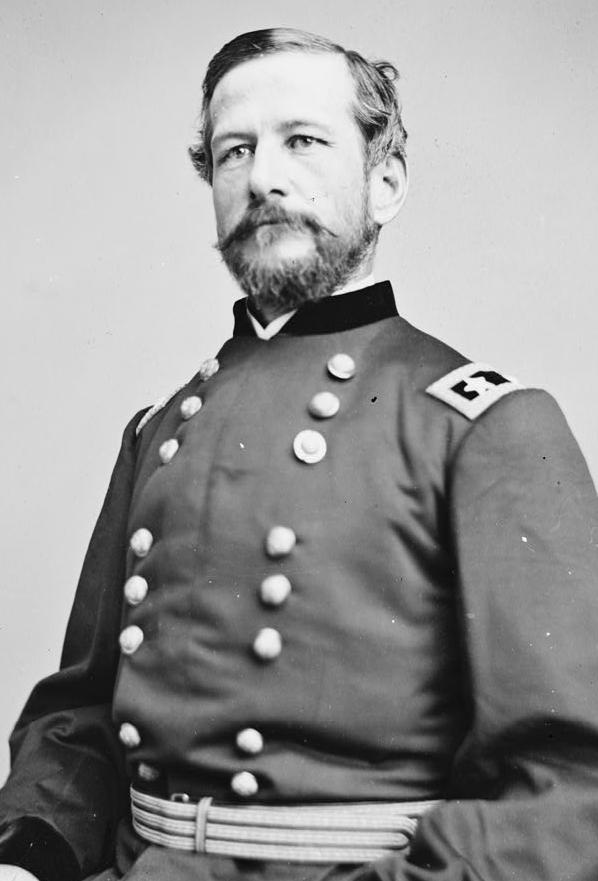




Early career and rise
Pleasonton was a professional soldier with antebellum experience and training as a West Point graduate. He served in cavalry and staff roles before the Civil War and advanced quickly once hostilities began. His combination of administrative skill and field leadership led to appointment over brigades and later the entire cavalry corps of the Army of the Potomac as the conflict intensified in 1863.
Civil War command and operations
During the spring and summer of 1863 Pleasonton directed Union horse soldiers in operations that included major reconnaissance, screening, and offensive cavalry engagements. He led the Union mounted troops at Brandy Station — widely regarded as the largest cavalry battle of the war — and his formations conducted raids, protected supply lines, and attempted to locate and disrupt Confederate cavalry and infantry movements.
Gettysburg Campaign and controversies
In the run-up to the Battle of Gettysburg Pleasonton’s cavalry provided crucial information about Confederate approaches. Some of his reports and public claims generated controversy: supporters credited him with helping to reveal enemy dispositions, while critics argued he overstated discoveries or misallocated cavalry assets. Historians generally agree his actions were influential, though assessments of his tactical judgment remain mixed.
Notable engagements and responsibilities
- Brandy Station — large-scale cavalry clash that tested new Union cavalry tactics
- Screening and recon during the Gettysburg Campaign
- Coordination of mounted divisions for raids and intelligence-gathering
Later life and legacy
After the war Pleasonton remained a figure of military and public interest. He is remembered for helping to transform Union cavalry into a more effective arm and for his role during one of the Civil War’s most important campaigns. Modern appraisals balance his organizational strengths against debates over some battlefield decisions; his name is commonly associated with the growth of mounted operations in the Eastern Theater and with the pivotal fighting around Brandy Station and Gettysburg.
For further reading on cavalry doctrine, the Army of the Potomac, and detailed campaign accounts see works linked through general resources such as military histories and specialized studies of Civil War cavalry operations: Union army studies, strategic campaign analyses at official army histories, and collections of battlefield reports at cavalry archives and campaign repositories. Additional biographical material can be found in compiled officer registers and period memoirs referenced at Army of the Potomac collections.
Related articles
Author
AlegsaOnline.com Alfred Pleasonton: Union cavalry leader in the Gettysburg Campaign Leandro Alegsa
URL: https://en.alegsaonline.com/art/2503