
Centralism
Political or organizational arrangement in which decision-making authority is concentrated in a single central body rather than dispersed among local or regional units.
Overview
Centralism is a principle of organization that concentrates authority, policy-making and administration in a single central body. In political contexts it describes a system where a national center holds primary power rather than dividing sovereignty among constituent regions. In other organizations the same idea can apply when a headquarters controls most decisions and operations. Readers seeking a succinct definition can consult centralism, while the broader institutional settings are sometimes described as a state or a government arranged on centralist lines.
Image gallery
5 Images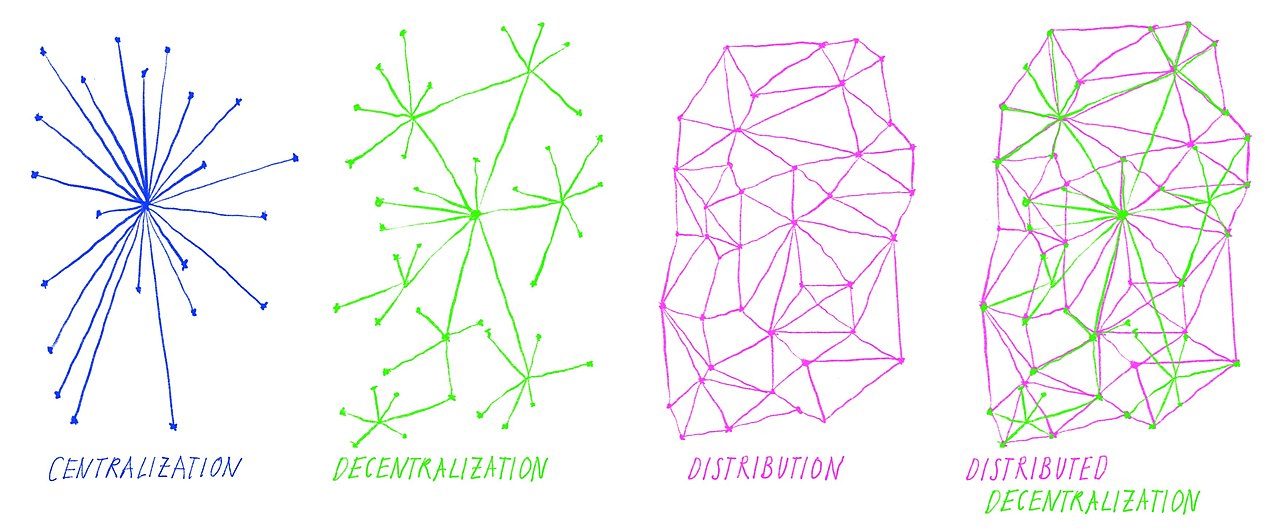


Key characteristics
- Concentration of legislative, executive and administrative functions at a central level.
- Uniform laws, standards and policies that apply across the whole territory or organization.
- Limited autonomy for local or regional units; local officials implement central directives.
- Centralized fiscal control, including taxation and budget allocation.
Historical development
Centralism has appeared in many historical settings as states and institutions sought greater coherence and control. In the evolution of modern nation-states, rulers and later national governments centralized legal systems, taxation and administration to strengthen authority and integrate diverse regions. Religious and corporate institutions have also adopted centralist structures to maintain doctrinal unity or operational efficiency. Examples often cited for strong central organization include long-standing hierarchical bodies where a single centre issues binding decisions.
Uses and practical examples
Centralism is used where uniformity, speedy decision-making and coordinated policy implementation are priorities. It is common in unitary states, some public administrations, multinational corporations and religious organizations. Central control can simplify cross-region coordination, reduce duplication of services and make large-scale planning easier. Centralism can also support national standards in areas such as education, public health and infrastructure.
Advantages and disadvantages
- Advantages: greater policy coherence, faster decision cycles, administrative simplicity, and the ability to mobilize resources nationally.
- Disadvantages: reduced local responsiveness, risk of bureaucratic overreach, potential for alienation of regional communities, and a weaker capacity to tailor solutions to local conditions.
Distinctions and notable points
Centralism is commonly contrasted with federalism, confederalism and forms of decentralization or devolution that grant constitutional authority to subnational units. The choice between centralism and more dispersed arrangements reflects trade-offs between unity and local autonomy, between uniform policy and flexible experimentation. Understanding those trade-offs helps explain why different countries and organizations adopt varying mixes of central and local powers.
Related articles
Author
AlegsaOnline.com Centralism Leandro Alegsa
URL: https://en.alegsaonline.com/art/18096