
Swedish krona (SEK): the currency of Sweden
The Swedish krona (SEK) is Sweden’s official currency since 1873. Issued by Sveriges Riksbank, it is subdivided into 100 öre (now mostly non-physical). The krona retains a central role in Sweden’s economy.
Overview
The Swedish krona is the official currency of Sweden, introduced in 1873 and abbreviated by the ISO code SEK. The name krona literally means "crown" in English. The unit is conceptually divided into 100 öre, although most öre coins have been withdrawn and the krona is normally used as the smallest physical denomination. The currency is issued and managed by Sveriges Riksbank, Sweden’s central bank and one of the world’s oldest central banks.
Image gallery
9 Images


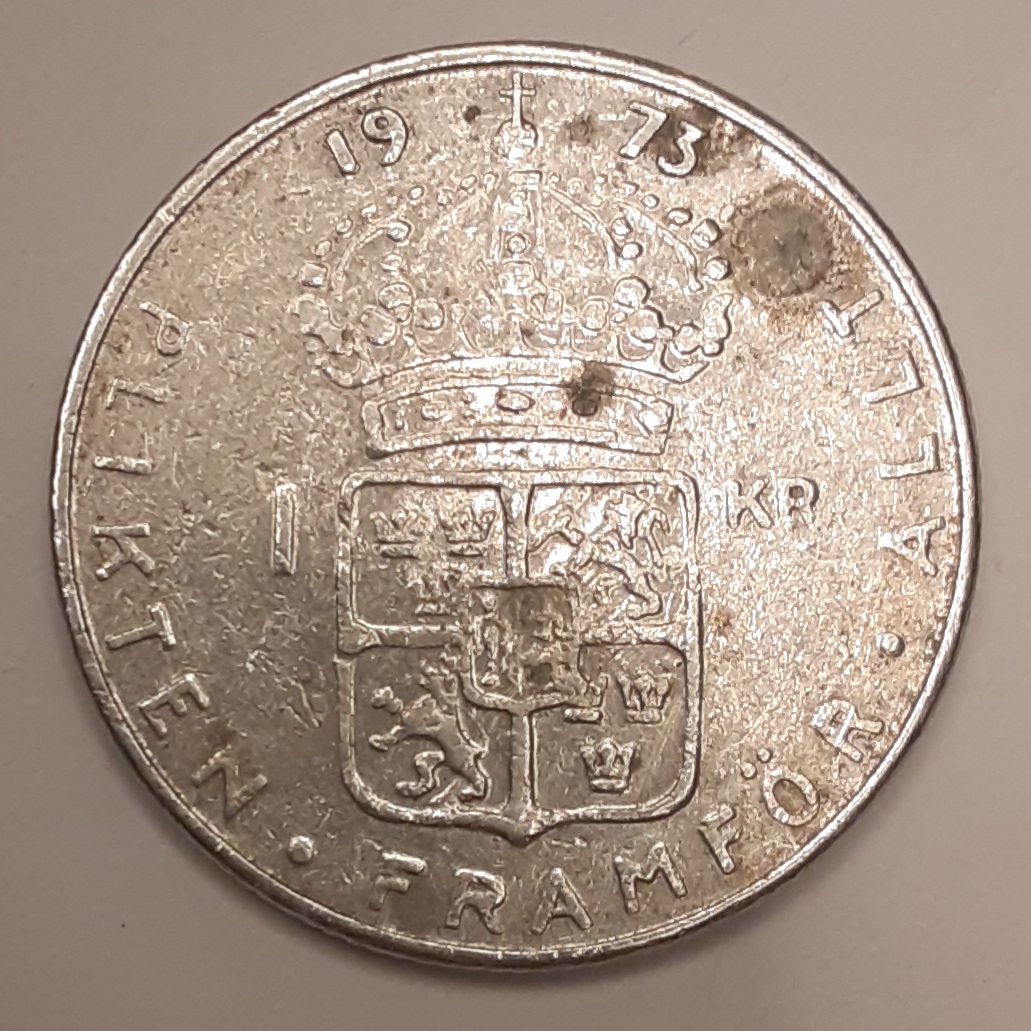


Coins and banknotes
Modern Swedish currency in circulation consists of a set of coins and paper notes designed for everyday transactions. Current coin denominations commonly used are:
- 1 krona (coin)
- 2 kronor (coin)
- 5 kronor (coin)
- 10 kronor (coin)
Banknotes typically include a range of values for larger payments. Typical denominations in regular use are 20, 50, 100, 200, 500 and 1000 kronor, with designs that highlight notable Swedish cultural figures, architecture and motifs. Historically, various öre coins (1, 2, 5, 10, 25, 50 öre) were minted, but most were phased out during the late 20th and early 21st centuries; for example the 50 öre coin was withdrawn from circulation in 2010. Although öre remain a legal subdivision used in accounting and price displays, cash transactions are generally rounded to the nearest krona.
History and development
The krona was introduced in 1873 when Sweden joined the Scandinavian Monetary Union with Denmark and Norway; the union linked the currencies and established a gold standard basis. Over time the monetary system evolved: the gold standard ended in the early 20th century, and the krona has floated under modern monetary policy arrangements since the late 20th century. Sweden joined the European Union in the 1990s but retained the krona after a public referendum. Throughout its history the Swedish coinage and banknote art have changed to reflect political, cultural and technological developments.
Monetary policy and international role
Sveriges Riksbank is responsible for monetary policy, including inflation targeting and setting interest rates. The krona operates with a floating exchange rate and is traded on foreign-exchange markets under the code SEK. While not a major global reserve currency, the krona is important regionally in Nordic trade and finance. Sweden is also notable for a rapid shift toward electronic payments and card usage, and the central bank has explored a digital complement to cash often referred to as an "e-krona" in policy discussions.
Practical notes and distinctions
In Swedish, the singular is krona and the plural is kronor; prices are commonly written with the symbol kr. The Swedish krona should not be confused with the Danish krone or Norwegian krone, which have similar names but are separate currencies. For travelers and businesses, the krona remains the standard medium of exchange in Sweden, widely supported by ATMs and electronic payment systems. Coins and banknotes display national motifs and security features; older series are periodically withdrawn and replaced to reduce counterfeiting and update designs.
Further information
For official details on denominations, current issues and monetary policy, consult the issuing authority and central bank publications. Collections and historical overviews also document older öre coins and discontinued notes for those interested in numismatics and economic history.
Questions and answers
Q: What is the currency of Sweden?
A: The currency of Sweden is the Swedish krona.
Q: How long has Sweden been using the Swedish krona?
A: Sweden has been using the Swedish krona since 1873.
Q: What is the English translation of "krona"?
A: The English translation of "krona" is "crown."
Q: What are the denominations of coins in the Swedish krona?
A: The denominations of coins in the Swedish krona are 1 öre, 2 öre, 5 öre, 10 öre, 25 öre, 50 öre, 1 crown, and 2 crown.
Q: What are the denominations of paper money in the Swedish krona?
A: The denominations of paper money in the Swedish krona are 20 crown, 50 crown, 100 crown, 200 crown, 500 crown, and 1000 crown.
Q: Which coins are no longer in use?
A: The 1 öre and 2 öre coins are no longer in use.
Q: Which coin denominations have been used earlier and later reintroduced?
A: The 5 crown coin has been used earlier and later reintroduced.
Related articles
Author
AlegsaOnline.com Swedish krona (SEK): the currency of Sweden Leandro Alegsa
URL: https://en.alegsaonline.com/art/95474
Sources
- riksbank.com : Riksbank