
Cymbeline: Shakespeare’s late romance of kings, identity and reconciliation
An overview of Shakespeare’s Cymbeline: its plot, principal characters, sources, themes, performance history and its place among the playwright’s late romances.
Overview
Cymbeline, historically printed as The Tragedy of Cymbeline, is a play by William Shakespeare that blends elements of tragedy, history and romance. Written late in Shakespeare’s career, it is often grouped with his “romances” — plays that combine spectacular incidents, improbable reunions and tempered sentiment. The work examines personal loyalty, national identity and the overturning of misfortune by reconciliation.
Image gallery
10 Images


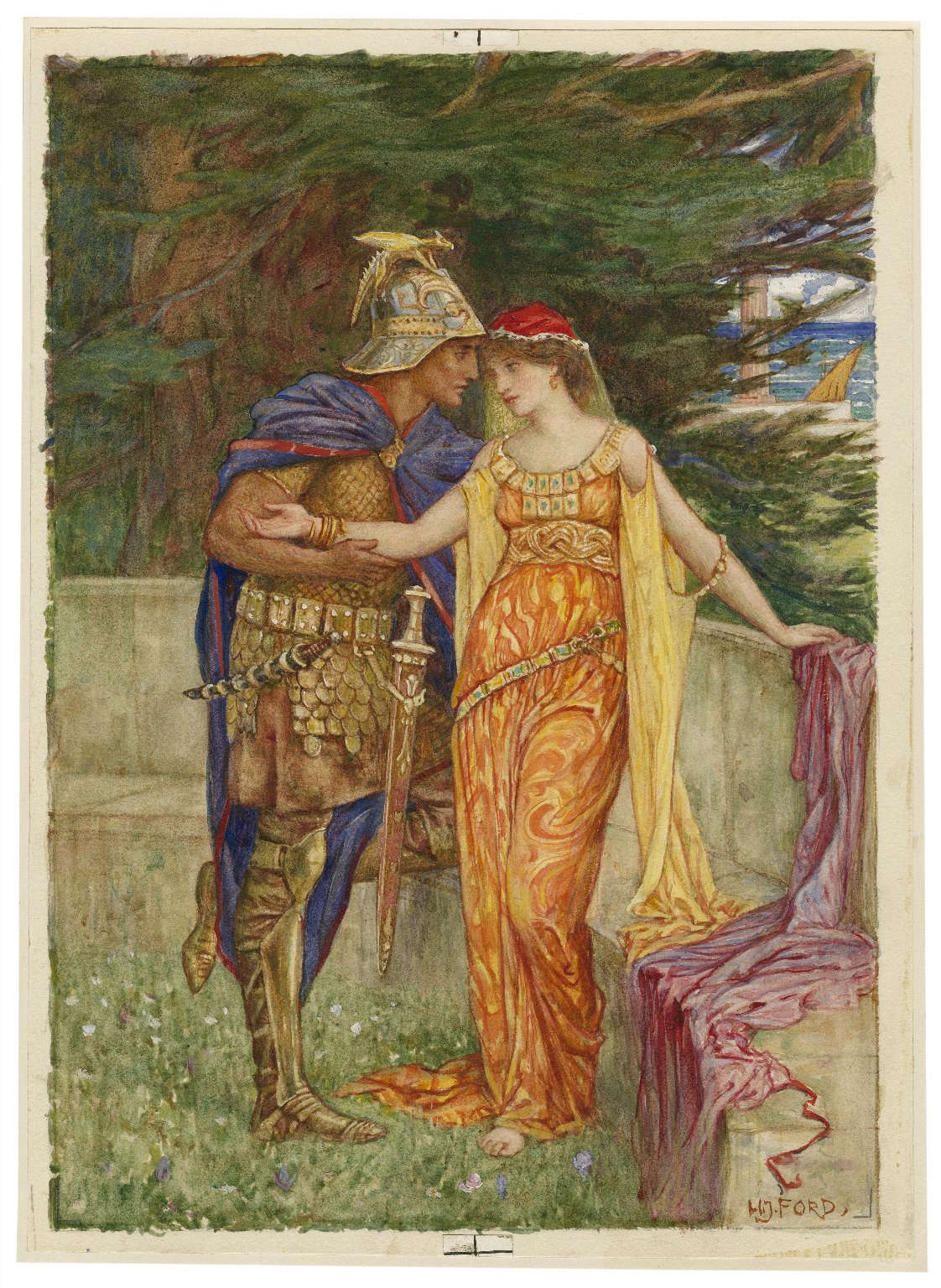


Sources and influences
Shakespeare drew on several earlier texts for plot material and names. The broad outline of a British ruler called Cymbeline (derived from the historical Cunobelinus) comes via Geoffrey of Monmouth. Narrative episodes and character details were adapted from Raphael Holinshed’s Chronicles, while some plot motifs resemble a tale in Giovanni Boccaccio and the Decameron. The play’s first recorded public performance dates from the early seventeenth century and it was printed in the collected First Folio of 1623.
Plot and principal characters
The central figures include King Cymbeline of Britain, his daughter Imogen, her husband Posthumus Leonatus, the manipulative Iachimo, and the boastful Cloten. A subplot involves the exile Belarius and two princes he raises in secret. The narrative follows Posthumus’s jealous distrust after Iachimo falsely accuses Imogen; Imogen’s enforced disguise and endurance; political tensions between Britain and Rome; and a series of recognitions and reversals that lead to rescue and reconciliation rather than purely tragic punishment.
Themes and style
Commonly discussed themes are appearance versus reality, the instability of honor, filial love, and national sovereignty. Stylistically the play shifts between intimate scenes of dialogue and large-scale set pieces — military encounters, courtroom confrontations and family reunions — producing a tone that many critics call uneven but richly theatrical.
Performance history and adaptations
Although not among Shakespeare’s most frequently staged plays in earlier centuries, Cymbeline has been revived and reinterpreted in diverse theatrical, operatic and film productions. Directors often emphasize its romantic elements or its political undercurrents; modern stagings may streamline plot complexities and play up Imogen’s resourcefulness. Scholarly interest remains strong because the play resists simple classification and rewards study of source-material, language and dramatic form.
Notable distinctions
- The play’s title reflects a historical name but its action is largely a dramatic invention.
- Despite the original labeling as a tragedy, modern readers and theatres frequently treat it as a romance.
- Its mixture of domestic drama and national crisis makes it a useful text for exploring Shakespeare’s late-period experimentation.
Related articles
Author
AlegsaOnline.com Cymbeline: Shakespeare’s late romance of kings, identity and reconciliation Leandro Alegsa
URL: https://en.alegsaonline.com/art/24898
Sources
- books.google.com : Cymbeline: Second Series