
Death of a Salesman — Arthur Miller's 1949 American tragedy
Arthur Miller's 1949 play about Willy Loman, an aging salesman whose delusions and family tensions expose the costs of the American Dream. A landmark of modern American theatre.
Death of a Salesman is a stage drama by Arthur Miller, first produced on Broadway in 1949. The play centers on Willy Loman, a traveling salesman confronting professional failure, personal disillusionment and the collapse of his self-worth. Miller blends realistic dialogue with expressionistic memory sequences to examine how private hopes and public pressures collide.
Image gallery
8 Images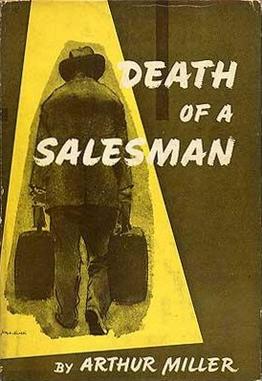


Structure and style
The work is organized in two acts followed by a short requiem. It moves between present action and Willy's recollections or hallucinations, so scenes shift fluidly in time and space. This technique reveals the character's inner life and shows how memory and fantasy shape his decisions. The play's language mixes everyday speech with moments of lyrical reflection.
Principal characters
- Willy Loman — aging, insecure salesman and the play's tragic center;
- Linda Loman — Willy's loyal, anxious wife;
- Biff Loman — elder son whose lost ambitions and conflicts with Willy are pivotal;
- Happy Loman — younger son, superficially successful but morally compromised;
- Ben, Charley, Bernard — figures who represent past opportunity, practical success and outside perspective.
Themes and significance
Major themes include the costs of the American Dream, the tension between appearance and reality, familial obligation, and the impact of capitalism on personal identity. Miller critiques a culture that equates human value with material success and social popularity. The play remains a cornerstone of American theater for its moral urgency and psychological depth.
History, productions and adaptations
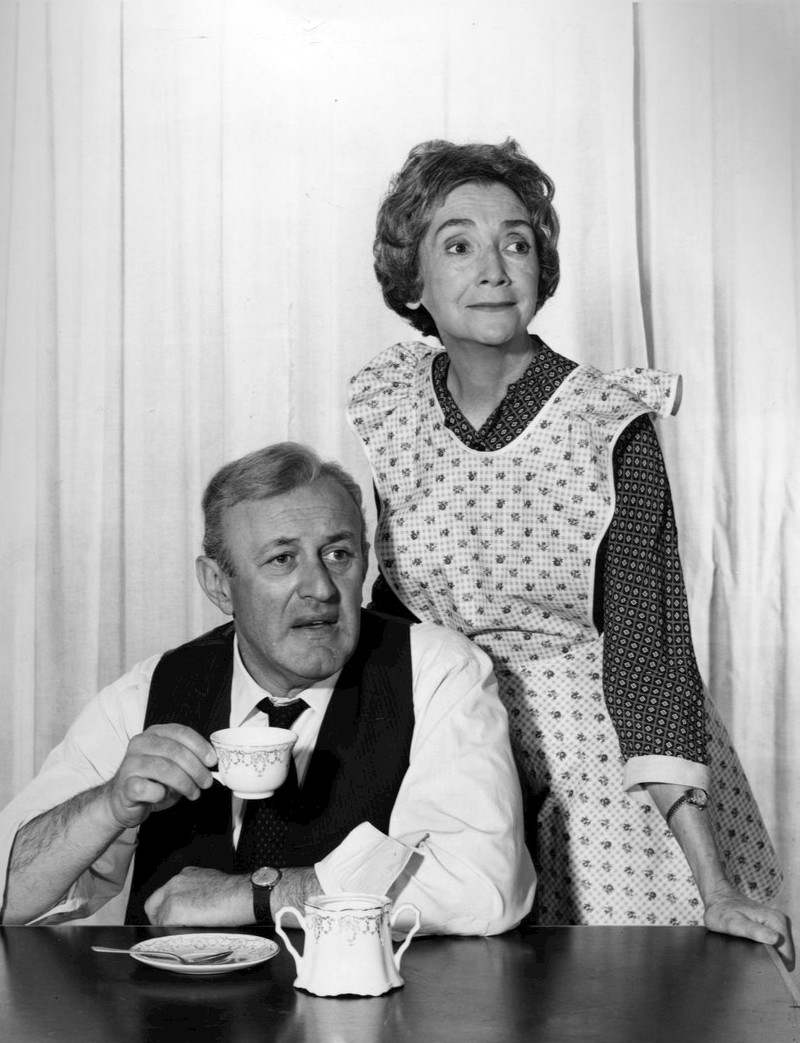
On its release the play won the Pulitzer Prize for Drama and quickly became one of the most staged American plays of the 20th century. It has been revived frequently on Broadway and in regional theatres, and adapted for screen and television — notably as a 1951 film. Directors and actors continue to revisit the text because of its rich roles and contemporary resonance.
Death of a Salesman is studied for its dramatic construction, performance challenges and social critique. Its capacity to provoke debate about success, failure and human worth has secured its place in theatrical and literary curricula worldwide.
Related articles
Author
AlegsaOnline.com Death of a Salesman — Arthur Miller's 1949 American tragedy Leandro Alegsa
URL: https://en.alegsaonline.com/art/26032