
Giovanni Boccaccio
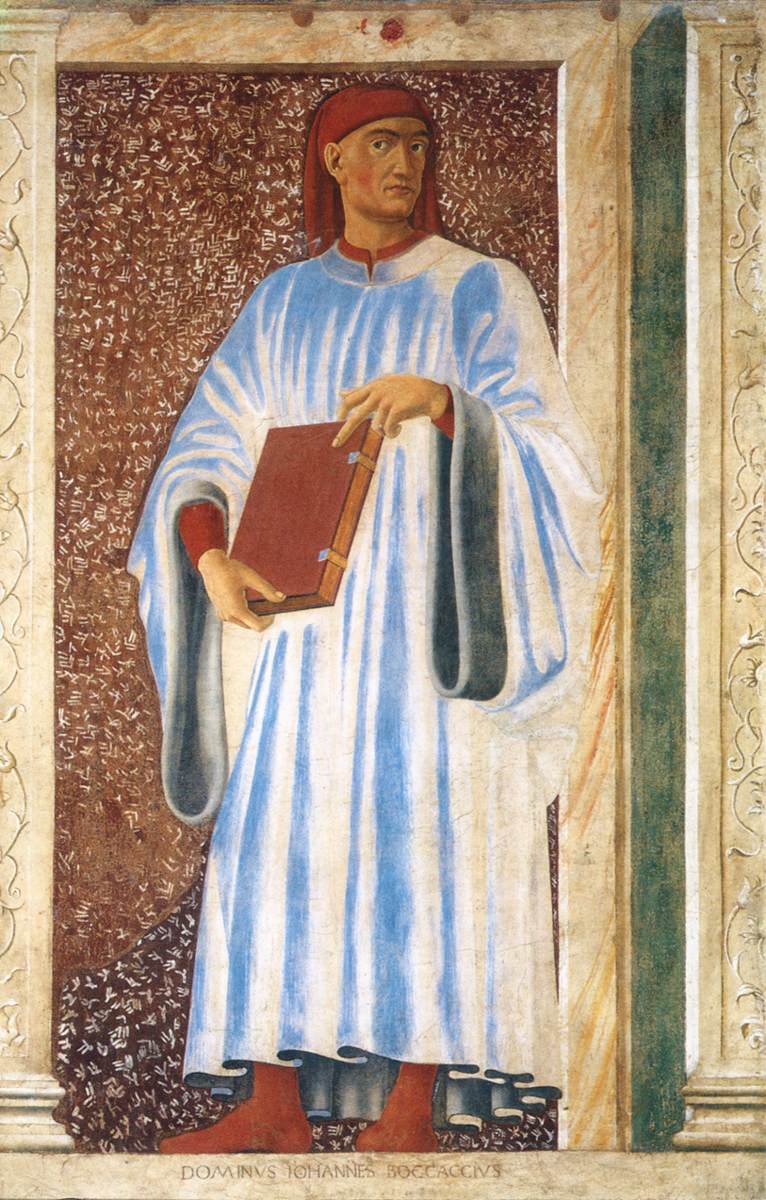
Italian writer and poet (1313–1375), author of the Decameron and On Famous Women, influential in early humanism and the development of Italian prose and narrative forms.
Overview
Giovanni Boccaccio (16 June 1313 – 21 December 1375) was an Italian writer and poet whose work helped shape vernacular literature in the fourteenth century. He is widely remembered for a rich body of poems, biographies and prose fiction that combined classical learning with observations of contemporary life. For pronunciation references see UK pronunciation and US pronunciation. He is commonly described as both an author and a poet.
Image gallery
7 Images


Major works
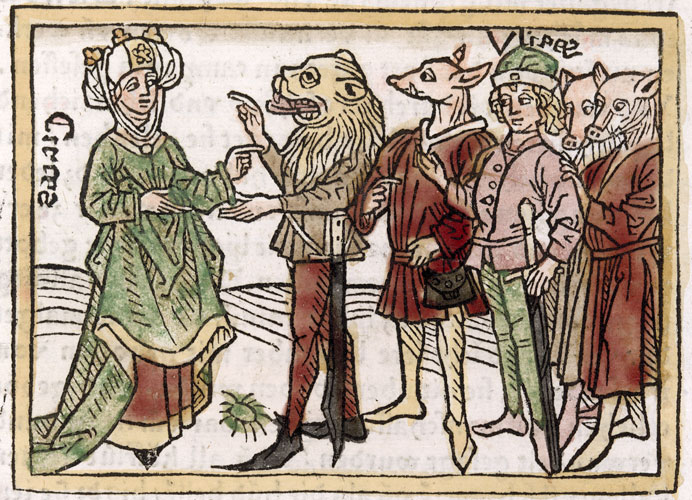
Boccaccio’s best-known book is the Decameron, a frame-tale collection of one hundred stories told by ten young people who flee Florence during the Black Death. The Decameron blends comedy, tragedy and social satire while illustrating a wide range of human behaviours; it has been translated and adapted many times and remains a cornerstone of early European prose fiction (Decameron). Another important work is De mulieribus claris (On Famous Women), a series of short biographies of notable women drawn from classical, biblical and medieval sources.
Style, forms and innovations
Boccaccio worked in both Latin and the Tuscan vernacular, and his prose style influenced later Renaissance writers. He is credited with adapting and popularizing the use of ottava rima in longer narrative poems, a stanzaic form that later became central to Italian epic poetry. His narratives combine detailed characterization, rhetorical skill and a pragmatic realism that marks an important step toward humanist literature.
Historical context and influence
Born in Certaldo near Florence and active in the cultural circles of Florence and Naples, Boccaccio lived through the upheavals of fourteenth-century Italy, including the 1348 plague. He maintained intellectual ties with contemporaries such as Petrarch, and his works influenced generations across Europe. Geoffrey Chaucer, for example, drew on Boccaccio’s narratives and narrative techniques in several tales.
Legacy and notable facts
- Key contributions: development of Italian prose narrative, early humanist biographical writing, formal experimentation in poetry.
- Enduring works: Decameron and De mulieribus claris remain widely studied and adapted.
- Literary impact: helped establish storytelling devices and moral ambiguity that influenced later novelists and dramatists.
Boccaccio’s combination of classical erudition, narrative invention and earthy realism secured his place as a major figure in the transition from medieval to Renaissance literature. His work continues to be read for its artistry and its vivid picture of fourteenth-century life.
Related articles
Author
AlegsaOnline.com Giovanni Boccaccio Leandro Alegsa
URL: https://en.alegsaonline.com/art/38925
Sources
- britannica.com : Giovanni Boccaccio, Encyclopaedia Britannica.
- britannica.com : Ottava rima, Encyclopaedia Britannica.