
The Decameron
A mid-14th-century collection of 100 tales by Giovanni Boccaccio, framed as stories told by ten youths fleeing the plague; influential for its realism, variety of genres, and impact on later art and literature.
The Decameron is a landmark collection of one hundred short tales composed in the mid‑14th century by the Italian writer Giovanni Boccaccio. Presented as a frame narrative, it recounts how ten young people—seven women and three men—leave the overcrowded city of Florence to shelter in a country villa and occupy themselves by telling stories over ten days. The backdrop for this storytelling cycle is the devastations of the plague, a context that shapes the collection's interest in human vulnerability, fortune, and moral complexity.
Image gallery
8 Images

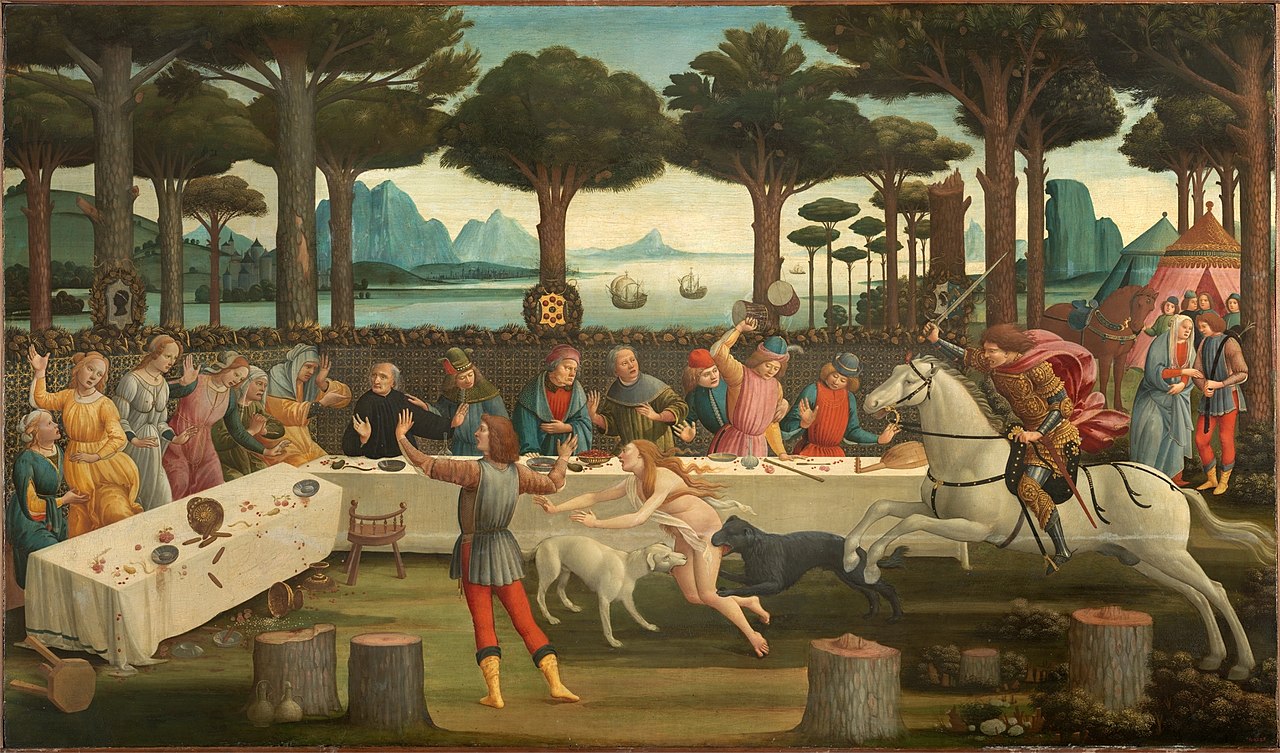
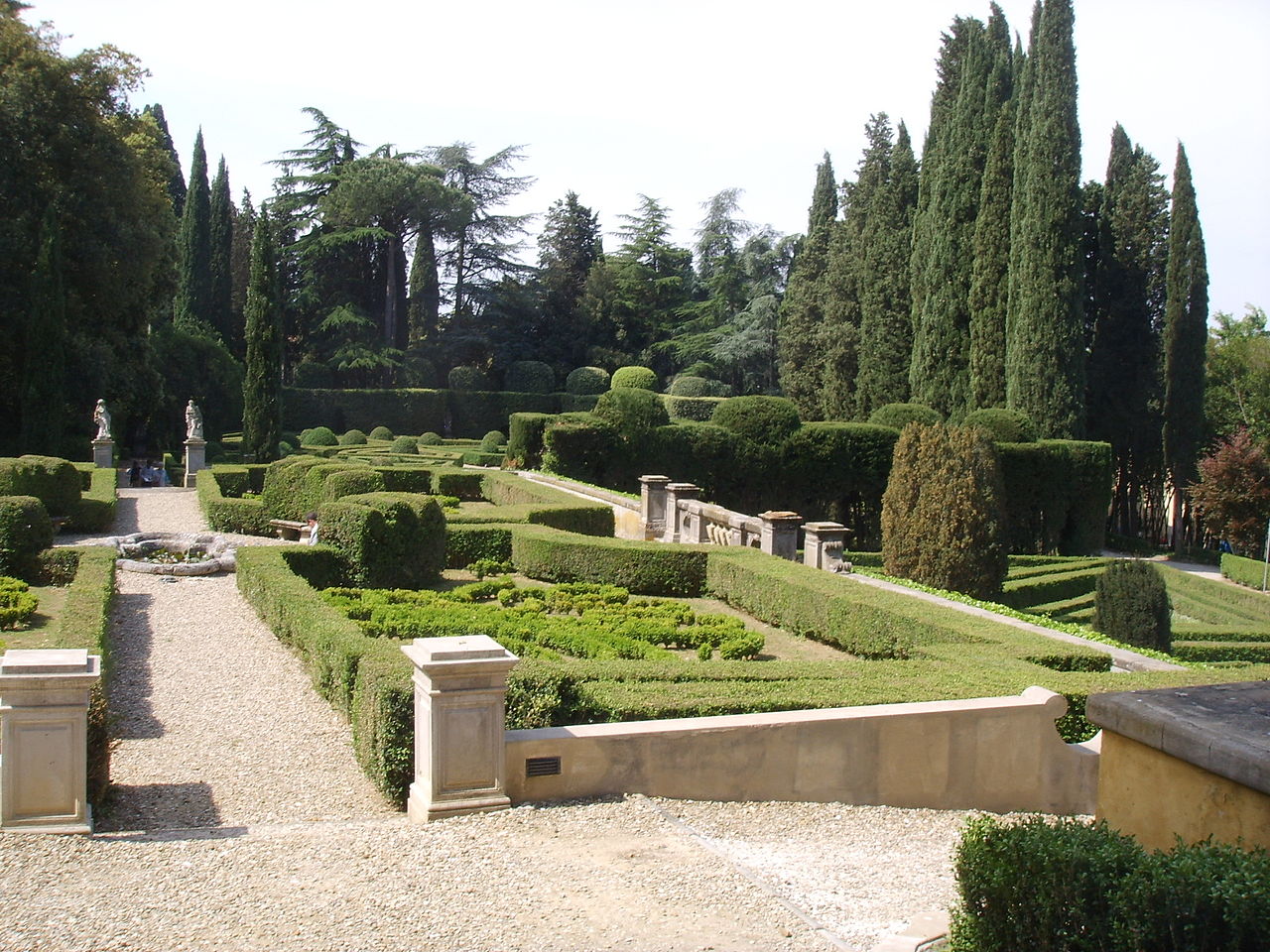


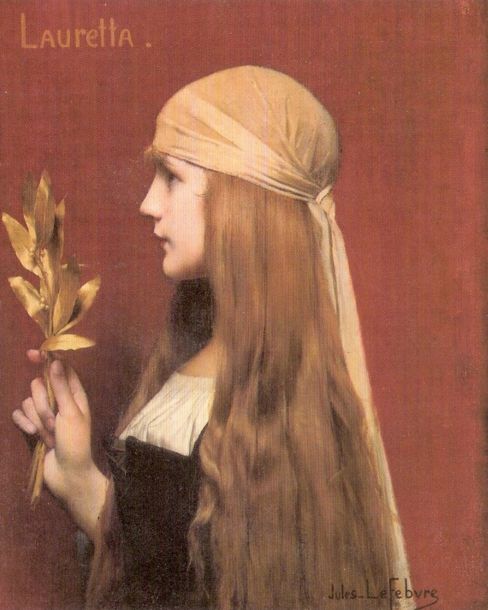

Structure and form
The work is carefully organized: ten narrators deliver one tale each day for ten days, producing a total of one hundred stories. The frame supplies a social setting and recurring commentators; each day a different member of the company is elected to set the theme and lead the day's entertainment. The tales themselves vary widely in tone and subject, ranging from courtly episodes to earthy farce.
- Frame narrative: a unifying social situation that links disparate tales into a single work.
- Ten days: daily themes and a rota of storytellers create formal balance.
- Varied genres: love stories, trickster tales, moral exempla and satirical pieces appear side by side.
Themes and style
Boccaccio wrote in the Italian vernacular with lively, often ironic realism. The Decameron treats love in many guises, from idealized romance to bawdy episodes with clear erotic themes. Wit, intelligence, and pragmatic deception often replace supernatural explanations or purely moral instruction. The collection also contains trenchant social observation and occasional critique of ecclesiastical figures, reflecting a growing humanist interest in secular life.
History, dating, and authorship
Composed during and after the catastrophe of the 1340s, the Decameron is traditionally dated to the 1350s and is among the earliest major prose works in Italian. Boccaccio drew on a range of Mediterranean and medieval storytelling traditions, reworking folktales, classical anecdotes and contemporary incidents into a coherent literary project. His use of a vernacular register and his focus on human motives helped establish narrative habits that would be central to Renaissance literature.
Influence and legacy
The Decameron's reputation has endured across centuries. Its plots and characters provided material for later writers and dramatists and inspired visual artists and poets. One tale in particular, the story often called "Isabella and the Pot of Basil," has been illustrated and retold by painters and poets, and used as the basis for later works of art. Artists in the Renaissance and beyond found in the book a rich source of scenes and types, while novelists and short‑story writers drew on its combination of realism and narrative cunning.
Notable distinctions
What distinguishes the Decameron is the breadth of its emotional range and the directness of its prose. It includes moving accounts of loss and resilience as well as slyly comic, even ribald, episodes. The collection stands as both a product of its time and a formative text for European narrative: a single work that helped to shape the modern short story and the Italian literary tradition. Scholars and general readers continue to study its themes of fortune, ingenuity and social critique, and translations and adaptations remain in circulation.
For further reading about the author and the text, see entries on Boccaccio's biography, background on Florence during the fourteenth century, and resources on medieval responses to the plague. The Decameron’s combination of comic and tragic material makes it a rich subject for study in literature, history, and art history.
Related articles
Author
AlegsaOnline.com The Decameron Leandro Alegsa
URL: https://en.alegsaonline.com/art/26099