
Cul-de-sac: meaning, design, history and urban planning considerations
A cul-de-sac is a street closed at one end. This article explains its origin, typical design features, uses in residential planning, benefits and drawbacks, and notable variants.
Overview
A cul-de-sac (from the French expression meaning "bottom of the bag") is a short street or lane that is closed at one end, offering no through route for motor vehicles. The term appears in several Romance languages and in English variants: French, Catalan, Occitan, and in everyday usage across the United Kingdom, Australia and Canada. In planning and traffic engineering it is often treated as a specific street layout intended primarily for local access.
Image gallery
10 Images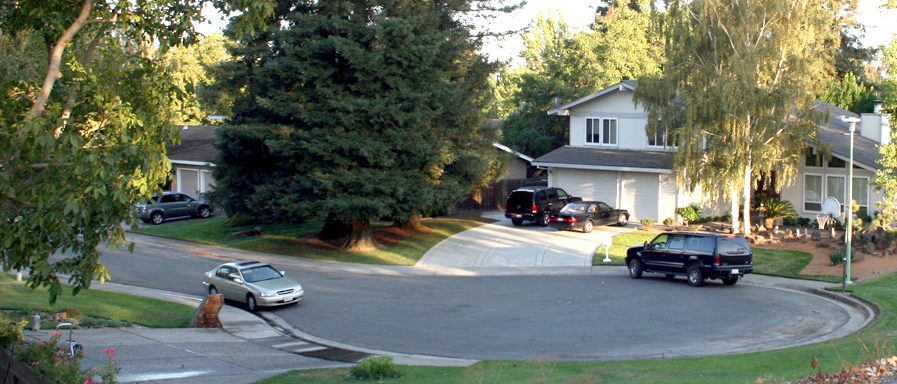


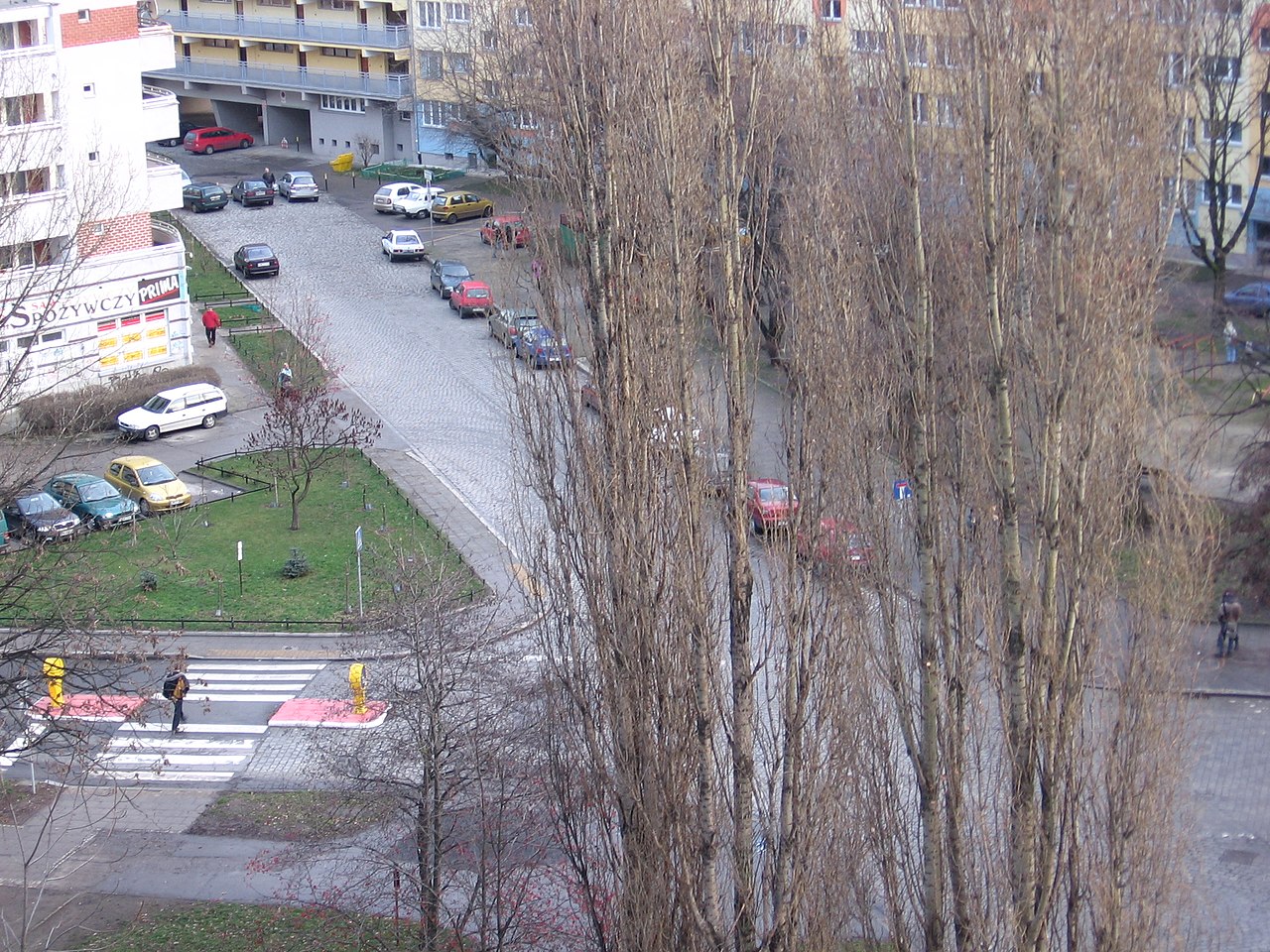




Typical characteristics
Most cul-de-sacs follow a few common design features: a single entry and exit point, a blunt end that often widens into a turning circle or hammerhead, and a short interior length serving a limited number of properties. They can be entirely paved for vehicles or include pedestrian links that connect to nearby streets or open space. Common advantages cited by designers include reduced through traffic and quieter frontages; disadvantages include reduced permeability for walking, cycling, and emergency access.
History and origin
Dead-end streets and enclosed lanes have existed since ancient and medieval times as parts of organic settlement patterns, defensive street layouts, or property parceling. The modern suburban cul-de-sac became especially widespread in 20th‑century planning as automobile ownership rose and planners sought to separate local traffic from arterial roads. Variants and historical precedents continue to appear in different eras and regions, reflecting local needs and street traditions (historical sources).
Uses and contemporary debate
Cul-de-sacs are commonly used in residential subdivisions to provide privacy, lower traffic speeds, and a perceived safer environment for children. However, urban designers and mobility advocates point out trade-offs: they reduce network connectivity, can increase car dependence, complicate public transport routing, and sometimes lengthen emergency response paths. Contemporary practice often balances these outcomes by adding pedestrian cut-throughs, designing shorter cul-de-sacs, or using looped streets to preserve permeability.
Variations, examples and notable facts
- Common forms include the circular bulb, hammerhead, and short dead-end lane.
- Some neighborhoods permit gated or private cul-de-sacs; others require public access for safety and utility maintenance.
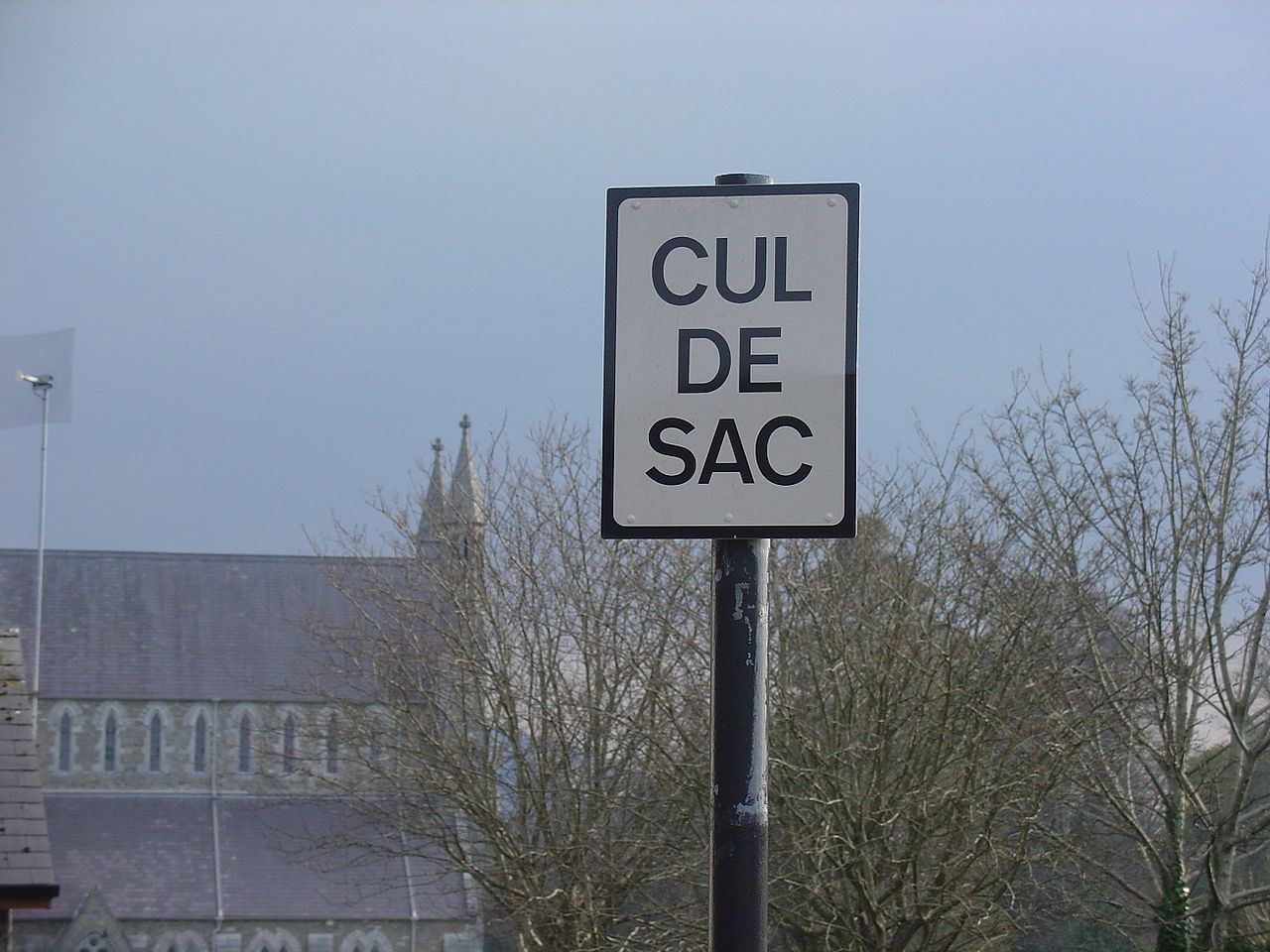
- Signage differs by country: signs reading "No Through Road," "Dead End," or "Close" are typical.
- Design guidance often appears in local planning manuals and traffic engineering texts; practitioners balance vehicle turning requirements, drainage, and landscaping when arranging the end layout.
For further reading on language, local usage and planning guidance, consult references about the term in French, Catalan, Occitan, and civic practice in the United Kingdom, Australia and Canada. Historical treatments and case studies can be found through archives and publications noted under historical uses.
Related articles
Author
AlegsaOnline.com Cul-de-sac: meaning, design, history and urban planning considerations Leandro Alegsa
URL: https://en.alegsaonline.com/art/24582