
Alexander Ypsilantis (1792–1828): Greek revolutionary and Russian cavalry officer
Greek Phanariot noble, Russian cavalry officer and leader of the Filiki Eteria who launched an 1821 uprising in the Danubian Principalities that helped spark the Greek War of Independence.
Overview
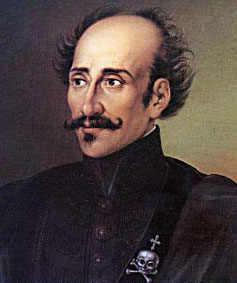
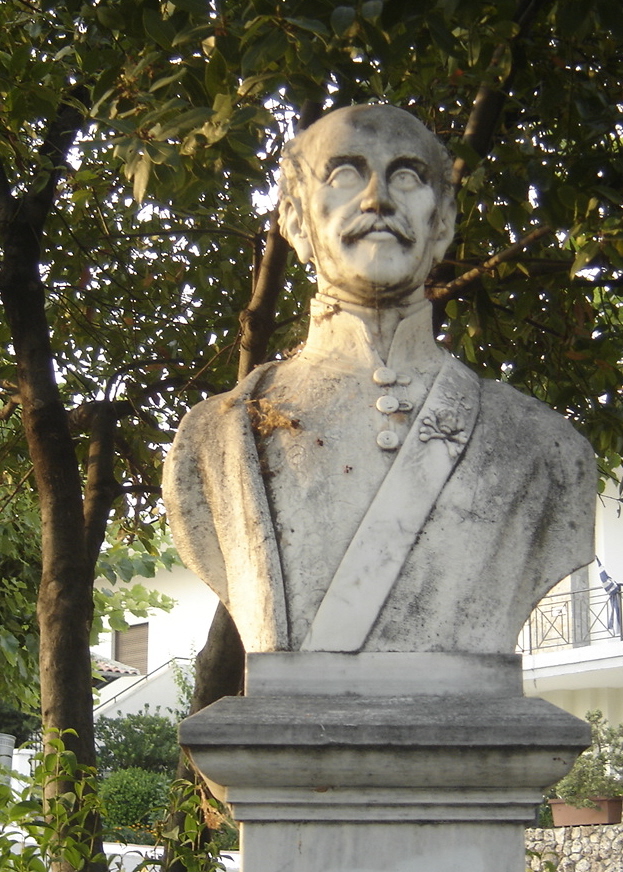
Alexander Ypsilantis (1792–1828) was a member of the Phanariot Ypsilantis family who became a senior officer in the Imperial Russian army and later a central figure in the early phase of the Greek War of Independence. He combined a formal military career with revolutionary leadership against the Ottoman Empire in 1821.
Image gallery
8 Images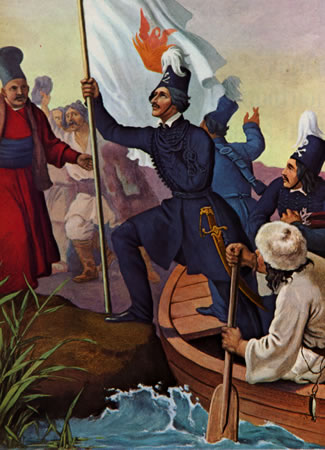





Early life and military career
Born into a prominent Greek family, Ypsilantis entered Russian service at a young age and served as an officer in the cavalry. He fought during the turbulent years of the Napoleonic Wars era and rose through the ranks, gaining experience and contacts that later proved important when he joined the clandestine revolutionary society Filiki Eteria.
1821 uprising in the Danubian Principalities
As a leader of Filiki Eteria, Ypsilantis crossed into the Danubian Principalities (modern Romania) in early 1821 to ignite a Balkan front against Ottoman rule. He organized volunteer detachments, including the so-called Sacred Band of young Greeks, and sought to inspire uprisings beyond the principalities. His advance, however, did not gain the international or local support he had anticipated and met military defeat.
Defeat, captivity and death
Ypsilantis’s forces were routed at actions such as the engagement at Dragashani. Cut off and facing overwhelming opposition, he was arrested by Habsburg authorities and held in confinement for several years. Released in the late 1820s, he died in 1828. His military gambit had failed tactically, but it helped to mobilize wider Greek resistance.
Significance and legacy
- Initiated one of the first organized insurrections connected to the Greek independence struggle.
- Created volunteer units and promoted nationalist organization among Greeks abroad.
- Remains a contested figure: celebrated for initiative and criticized for misjudging support and logistics.
For further reading on related topics see entries on the Greek War of Independence, the Ottoman Empire, the Imperial Russian military, the role of cavalry in the period and the wider context of the Napoleonic Wars.
Related articles
Author
AlegsaOnline.com Alexander Ypsilantis (1792–1828): Greek revolutionary and Russian cavalry officer Leandro Alegsa
URL: https://en.alegsaonline.com/art/2407
Sources
- adjudant.ru : князь Александр Константинович Ипсиланти
- commons.wikimedia.org : Alexander Ypsilantis