
Alexandra David-Néel
Explorer, writer and scholar of Tibetan Buddhism (1868–1969), known for her journeys in Asia, accounts of Tibet, and popularising Tibetan religious practice in Europe.
Overview
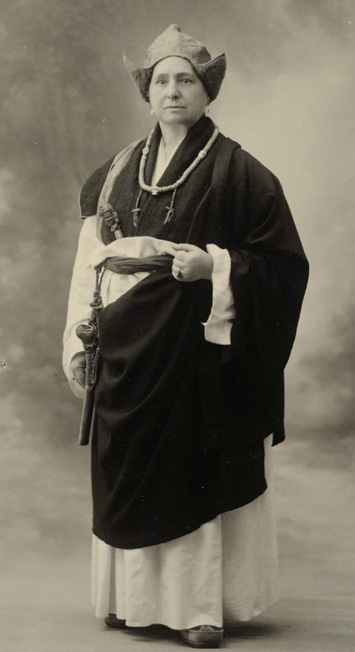
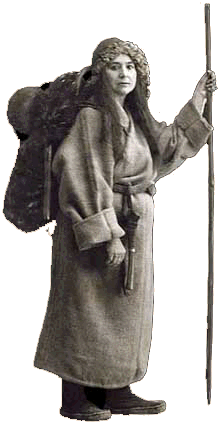
Alexandra David-Néel (born Louise Eugénie Alexandrine Marie David; 24 October 1868 – 8 September 1969) was a writer, explorer and scholar who became widely known for her travels in Asia and her studies of Tibetan religion and culture. She was born near Saint-Mandé and died in Digne-les-Bains, and held Belgian and French connections during her life, often described in sources as Belgian‑French (Belgium, France).
Image gallery
7 Images



Early life and interests
From a young age she pursued languages, literature and music, and developed a strong attraction to Asian thought and spiritual practice. Her curiosity about Buddhism and tantric techniques led her to study Asian languages and to travel widely across India, Tibet, China and Japan, often living for extended periods with teachers and communities she encountered.
Travels and Tibet
David-Néel is best known for long pilgrimages and exploratory journeys into regions that were little known to Europeans at the time. She wrote extensively about Tibetan life, monastic practice and esoteric traditions. She is widely credited as one of the first Western women to reach Lhasa, the capital of Tibet, a journey she documented in published travel accounts. Her narrative combined travel observation, ethnography and reflections on meditation and ritual.
Writings and themes
She produced a large body of work in French, later translated into other languages. Her books mix travel memoir, religious study and popular explanations of Tibetan Buddhism and occult practices. Recurring themes include meditation and visualization methods, the role of lamas and monastic institutions, and descriptions of sacred geography and pilgrimage. Her accessible style brought Tibetan ideas to a broad European readership.
Notable works and contributions
- Major travel accounts and introductions to Tibetan religion that became standard reading for Western audiences.
- Translations and explanations of Tibetan ritual and contemplative techniques.
- Influence on later explorers, Tibetologists and Western interest in Buddhist practice.
Legacy and distinctions
David-Néel lived to be one hundred, and her long literary output and dramatic life story made her a distinctive figure in early 20th-century exploration and religious studies. Scholars recognise both her firsthand observations and the romantic, personal lens through which she presented them; some claims from her accounts have been debated, but her role in popularising Tibetan culture in Europe is undisputed. For further reading see contemporary bibliographies and collections of her writings.
Related articles
Author
AlegsaOnline.com Alexandra David-Néel Leandro Alegsa
URL: https://en.alegsaonline.com/art/2410