
COVID-19 pandemic in Eswatini: timeline, response and impact
Overview of the COVID-19 outbreak in Eswatini from first cases in March 2020, public-health actions, healthcare challenges, vaccination rollout and social and economic consequences.
Overview
The global COVID-19 pandemic COVID-19 pandemic reached the kingdom of Eswatini in March 2020. The first confirmed infection was announced on 14 March 2020: a 33-year-old woman who had recently returned from the United States and subsequently travelled within the region was placed in isolation after testing positive first case. By late March additional imported cases had been recorded, including people linked to travel in Europe and North America; some early suspected cases involved visitors from or travel to countries such as Denmark and Germany, and another confirmed case was reported in a traveller from the United States. The country recorded its first COVID-19-related death on 16 April 2020, a 59-year-old man with underlying diabetes.
Image gallery
2 Images
Characteristics and public-health response
Eswatini's response combined clinical care, testing and public-health measures intended to slow transmission and protect health services. Authorities implemented measures common to many countries: restrictions on international travel, quarantine and isolation for contacts, temporary school closures, limitations on public gatherings and campaigns to encourage mask use, hand hygiene and social distancing. Testing and contact tracing were scaled up where possible, often with international technical and material support.
Timeline and epidemic development
After the first imported cases in March 2020, the epidemic in Eswatini evolved in waves that broadly reflected regional patterns. Cross-border movement with neighbouring South Africa — which experienced large waves of infection — influenced local transmission. Periods of increased case numbers placed pressure on hospitals and public health teams, while intervening months of lower incidence allowed some relaxation of restrictions. Surveillance, testing capacity and healthcare resource availability changed over time as the country adapted to the prolonged public-health challenge.
Vaccination, testing and healthcare challenges
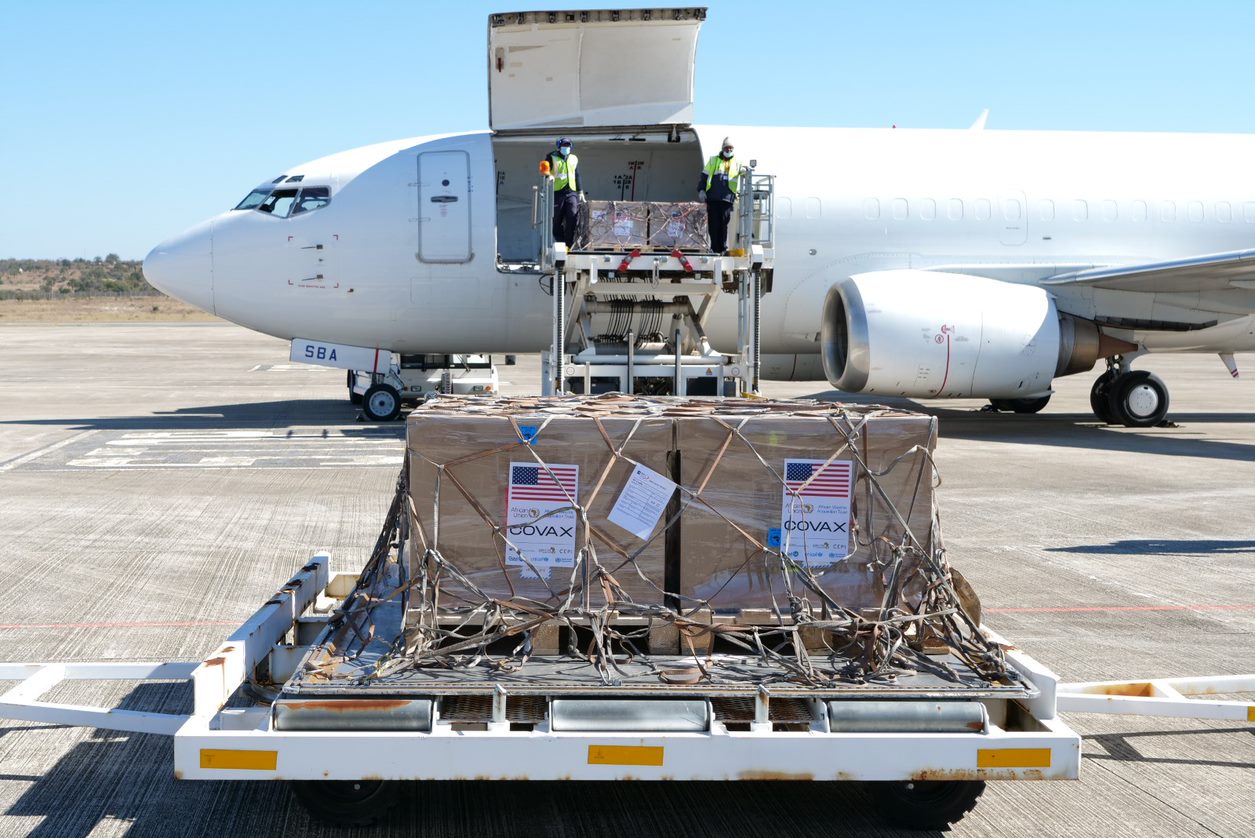
Vaccination programs in Eswatini began once vaccine supplies became available through bilateral donations and international mechanisms; like many countries in the region, initial campaigns prioritised healthcare workers, older adults and other high-risk groups. Laboratory testing, contact tracing and isolation remained core strategies for controlling spread. Eswatini faces chronic healthcare challenges, including a high burden of HIV and tuberculosis, factors that shaped public-health concern because they can increase vulnerability to severe respiratory infections and complicate clinical management.
Socioeconomic impacts and notable aspects
The pandemic affected Eswatini's economy and society. Restrictions disrupted commerce, tourism and informal employment; health services were diverted to respond to COVID-19 while routine care and preventive services were sometimes interrupted. Community organizations and international partners contributed to public-health messaging, food assistance and continuity of essential services. The tight links between Eswatini and larger regional economies meant that cross-border flows of people and goods were central to both the spread of infection and to recovery efforts.
Further reading and sources
- Global overview of the COVID-19 pandemic
- Information on Eswatini (country profile)
- Report of the first confirmed case in Eswatini
- Early suspected cases linked to travel in Europe
- Details of travel-associated cases in early 2020
- Reports of imported cases from the United States
For a detailed, up-to-date picture of the pandemic's course in Eswatini, consult official health ministry updates, regional public-health agencies and international organisations tracking COVID-19 progress.
Related articles
Author
AlegsaOnline.com COVID-19 pandemic in Eswatini: timeline, response and impact Leandro Alegsa
URL: https://en.alegsaonline.com/art/23739
Sources
- twitter.com : "Ministerial Statement: Minister of Health Lizzie Nkosi announces 3 new cases of #COVID19 in Eswatini and 20 new recoveries, taking the total number of recoveries in the country to 48.pic.twitter.com/q1go5lkmDL"
- jpost.com : "Eswatini in Southern Africa reports first coronavirus case" · web.archive.org
- apanews.net : "eSwatini quarantines two suspected Covid-19 cases"
- mpumalanganews.co.za : "Two suspected cases of the Coronavirus registered in eSwatini" · web.archive.org
- new.observer.org.sz : "5th Case of Coronavirus in eSwatini"
- news24.com : "Eswatini records its first Covid-19 death"