
COVID-19 pandemic in France
An overview of the COVID-19 pandemic in France: arrival, major waves, public-health measures, hospital response, vaccination rollout, variants, social and economic impacts, and notable regional distinctions.
The COVID-19 pandemic reached France in January 2020 when the first confirmed European case was identified in the Bordeaux area; official records note the earliest detection on 24 January 2020. The outbreak in France followed the global spread of SARS-CoV-2 and became a major national public-health crisis. For international context see WHO guidance and global summaries; for French government actions consult official national updates and contemporary reports of the first case in Bordeaux are archived in several sources (first confirmed case in Bordeaux).
Image gallery
9 Images
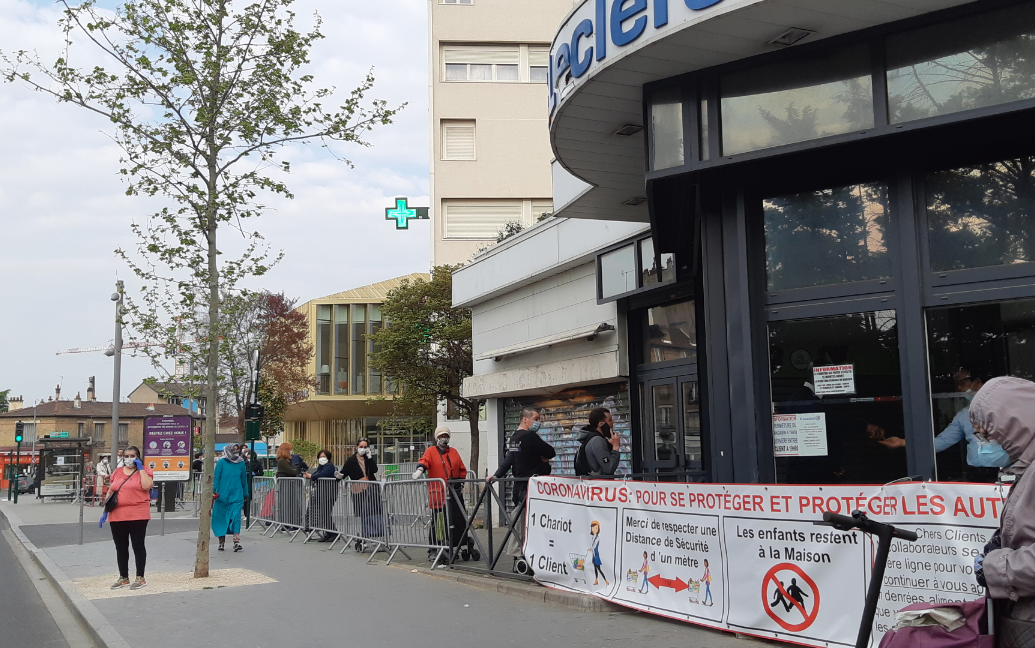


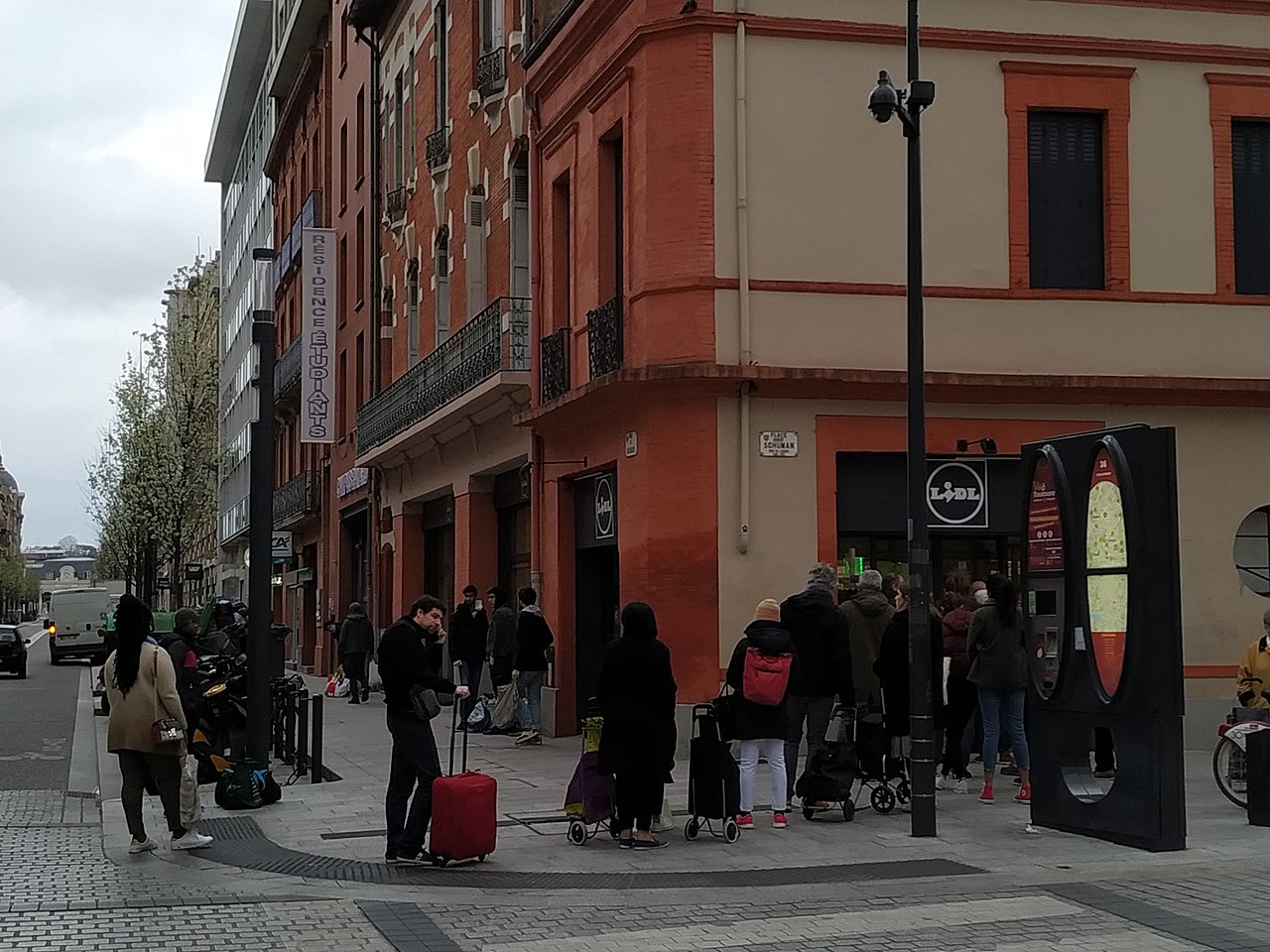


Course and major phases
The epidemic evolved through multiple waves driven by changing behaviour, policy measures, seasonality and later by new virus variants. Initial community transmission prompted strict restrictions in spring 2020; subsequent rises in cases led to further cycles of tightened and eased measures. Periods of high hospital pressure alternated with phases of reopening as testing, treatment and vaccination capacity grew.
Public-health response and measures
French authorities employed a mix of national and regional actions to slow transmission and protect health services. Key measures included:
- nationwide lockdowns and curfews limiting movement and non-essential activity;
These interventions were accompanied by public information campaigns and periodic legal decrees to enforce emergency measures. The measures evolved with scientific advice and public debate over their scope and duration.
Health system, testing and vaccination
Hospitals and intensive care units experienced variable strain, prompting capacity management, transfers between regions and recruitment of additional staff. Testing capacity expanded from limited laboratory testing early on to widespread PCR and rapid antigen testing. Vaccination campaigns began after regulatory approval of COVID-19 vaccines; rollout prioritized older adults, health workers and vulnerable groups before wider availability, and later booster doses were offered to maintain protection against new variants.
Variants such as Alpha, Delta and Omicron influenced transmission dynamics and policy choices, with each variant prompting reassessment of public-health strategies. The pandemic also stimulated research, vaccine distribution logistics, and public discussion about vaccine acceptance and mandates.
Societal and economic impacts
The pandemic had wide social and economic consequences: education was disrupted by school closures and remote learning; many businesses faced restrictions, supply-chain interruptions and shifts to remote work; cultural and sporting activities were curtailed. Health-care workers and long-term care facilities were particularly affected, exposing structural issues and prompting calls for reform. Overseas departments and territories experienced their own epidemic patterns and required tailored responses.
France's experience with COVID-19 combined public-health intervention, scientific response and civic debate. Measures, outcomes and lessons continue to be evaluated as policy makers and health professionals adapt to a changing viral and social landscape.
Related articles
Author
AlegsaOnline.com COVID-19 pandemic in France Leandro Alegsa
URL: https://en.alegsaonline.com/art/23742
Sources
- gouvernement.fr : "info coronavirus covid-19"
- aljazeera.com : "France to extend coronavirus emergency for two months"
- telegraph.co.uk : "Coronavirus was present in France in December, doctor claims"