
Harry Nilsson (1941–1994) — American singer-songwriter and composer
Overview of Harry Nilsson’s life, music, notable songs, collaborations (including ties to The Beatles), The Point!, and his lasting influence on popular music.
Harry Nilsson was an American singer-songwriter whose melodic flair, distinctive voice, and eclectic songwriting made him a notable figure in popular music from the late 1960s into the 1970s. Born in Bushwick, Brooklyn, in 1941, Nilsson combined pop, rock, baroque arrangements and whimsical storytelling in recordings that ranged from intimate ballads to playful character pieces. He is remembered for chart hits, soundtrack associations and close creative connections with other leading artists of his era.
Image gallery
7 Images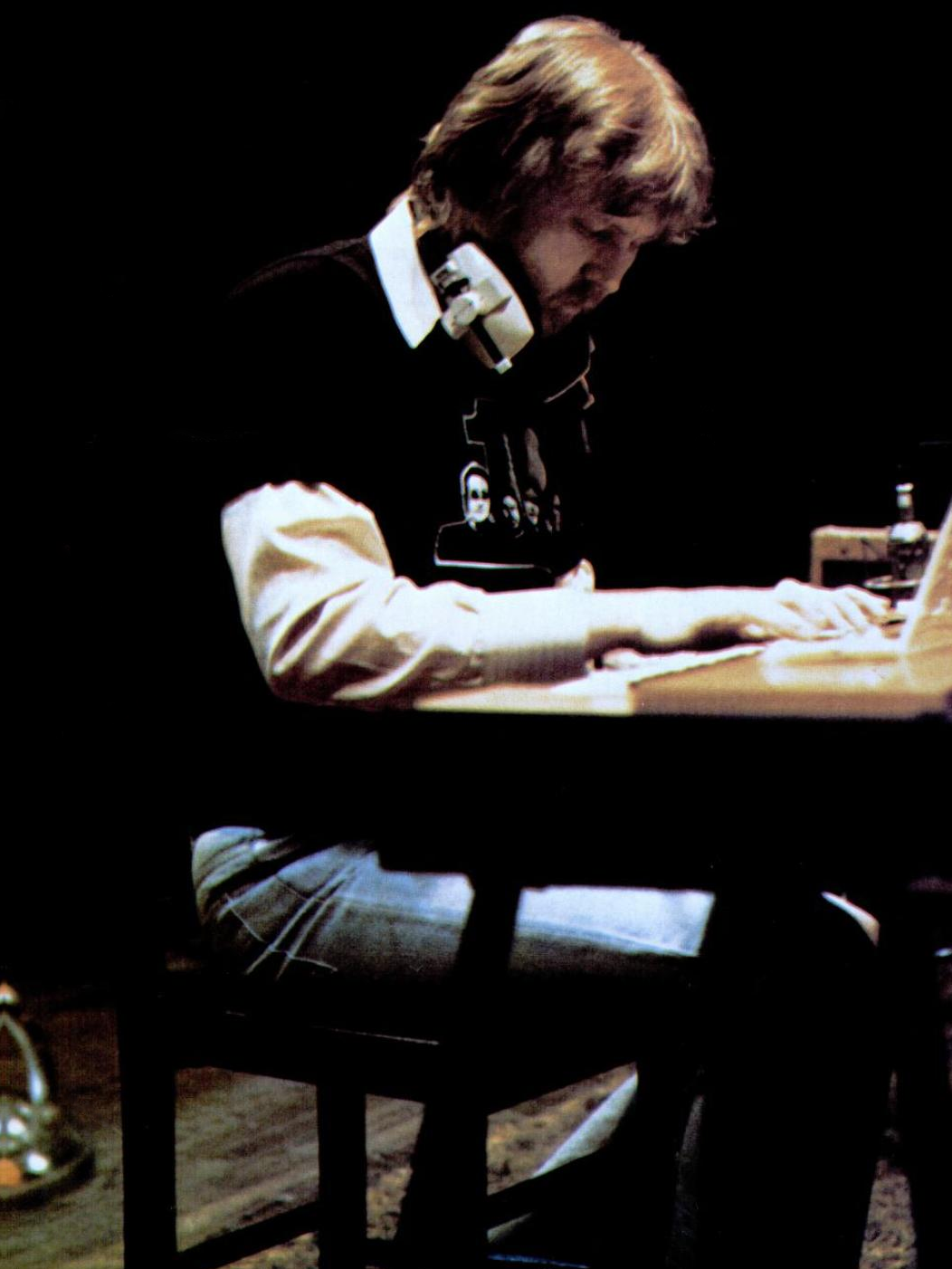


Musical style and characteristics
Nilsson’s vocal delivery could move from fragile and plaintive to exuberant and theatrical; critics often praised his wide range, precise phrasing and ability to interpret other writers’ songs. His songwriting shows strong melodic sensibilities, frequent use of unexpected chord changes, and an ear for memorable hooks. Arrangements on his records varied from sparse piano-and-voice settings to lavish orchestrations, reflecting collaborations with arrangers and session musicians of the time.
Career highlights and notable recordings
Nilsson achieved international recognition with several songs that became standards or hits for other performers as well as for himself. His recording of “Everybody’s Talkin’,” a Fred Neil composition, became closely associated with the film Midnight Cowboy and brought him wide exposure. His versions of “Without You” (written by Peter Ham and Tom Evans of Badfinger) and originals such as “Coconut,” “Me and My Arrow,” “Cuddly Toy” and “One” are frequently cited among his best-known work. Some of these songs were also successful when covered by other artists, underscoring Nilsson’s role as both interpreter and songwriter.
Collaborations, influences and The Beatles connection
Nilsson admired The Beatles and paid tribute to them early in his recording career. Copies of his work reached people close to the band, and he developed friendships with members of The Beatles, including John Lennon and Ringo Starr. These friendships led to shared musical projects and occasional cohabitation and collaboration in Los Angeles. Nilsson’s friendships and respect for contemporaries shaped his career, as did his interactions with producers, arrangers and performers from both the pop and rock worlds.
Other projects: The Point! and media presence
Beyond pop singles and albums, Nilsson created a narrative project known as The Point!, a musical fable that began as an album and later became a televised animated special. The Point! explored themes such as individuality, tolerance and acceptance and was adapted for stage productions and other formats. His songs turned up in film soundtracks and compilations after their initial release, extending his presence in popular culture beyond his recording years.
Legacy and later life
Nilsson’s catalog has been reissued and reassessed over the decades, and a number of his compositions remain in rotation on classic-pop and film soundtrack playlists. He continued to record and perform sporadically, and his work retains admirers among songwriters and music historians for its melodic craft and emotional range. Harry Nilsson died in 1994 in Agoura Hills, California; his recordings and the stories of his collaborations continue to be cited in studies of late 20th-century popular music.
Selected references and further reading
- Reference 1: early life and biography
- Reference 2: songwriting overview
- Reference 3: recording career
- Reference 4: birthplace and upbringing
- Reference 5: family background
- Reference 6: ancestry and heritage
- Reference 7: song list and credits
- Reference 8: connections to other bands
- Reference 9: Three Dog Night and covers
- Reference 10: songwriters Peter Ham
- Reference 11: Tom Evans and Badfinger links
- Reference 12: Badfinger context
- Reference 13: Midnight Cowboy soundtrack
- Reference 14: films featuring Nilsson songs
- Reference 15: film associations
- Reference 16: tribute recordings
- Reference 17: The Beatles relationship
- Reference 18: Beatles-related works
- Reference 19: Derek Taylor and promotion
- Reference 20: John Lennon collaboration
- Reference 21: Ringo Starr association
- Reference 22: animation and writing credits
- Reference 23: The Point! details
- Reference 24: television broadcast history
- Reference 25: themes and interpretations
- Reference 26: stage adaptations
- Reference 27: notable stage performers
- Reference 28: industry connections
- Reference 29: death and circumstances
- Reference 30: later life and residence
- Reference 31: songs in later soundtracks
Questions and answers
Q: When was Harry Nilsson born?
A: Harry Nilsson was born on June 15, 1941.
Q: What is one of his early hits?
A: One of his early hits is "Without Her".
Q: What are some of his biggest hits from the late 1960s and 1970s?
A: Some of his biggest hits from the late 1960s and 1970s include "Me And My Arrow", "Coconut", "Cuddly Toy", "Spaceman" and "One".
Q: Who wrote the song "Without You"?
A: The song "Without You" was written by Peter Ham and Tom Evans of Badfinger.
Q: Who wrote the song "Everybody's Talkin'"?
A: The song "Everybody's Talkin'" was written by Fred Neil.
Q: What movie used Nilsson's song Everybody's Talkin'?
A: Nilsson's song Everybody's Talkin' was used in the 1969 movie Midnight Cowboy.
Q:What cartoon movie did Nilsson write?
A:Nilsson wrote a cartoon movie named The Point!. It was broadcast on ABC.
Related articles
Author
AlegsaOnline.com Harry Nilsson (1941–1994) — American singer-songwriter and composer Leandro Alegsa
URL: https://en.alegsaonline.com/art/42626