
Criminal law: principles, purposes, and legal framework
An overview of criminal law, its core elements, objectives, procedures, history, and how it differs from civil law, with examples of common offences and notable developments.
Overview
Criminal law is the branch of law that defines actions considered harmful to society and prescribes state-enforced sanctions for those actions. It establishes which behaviours are wrong in the view of the community, identifies who may be held responsible, and determines the procedures for investigating and prosecuting alleged offenders. For general legal explanations see criminal law resources.
Image gallery
3 Images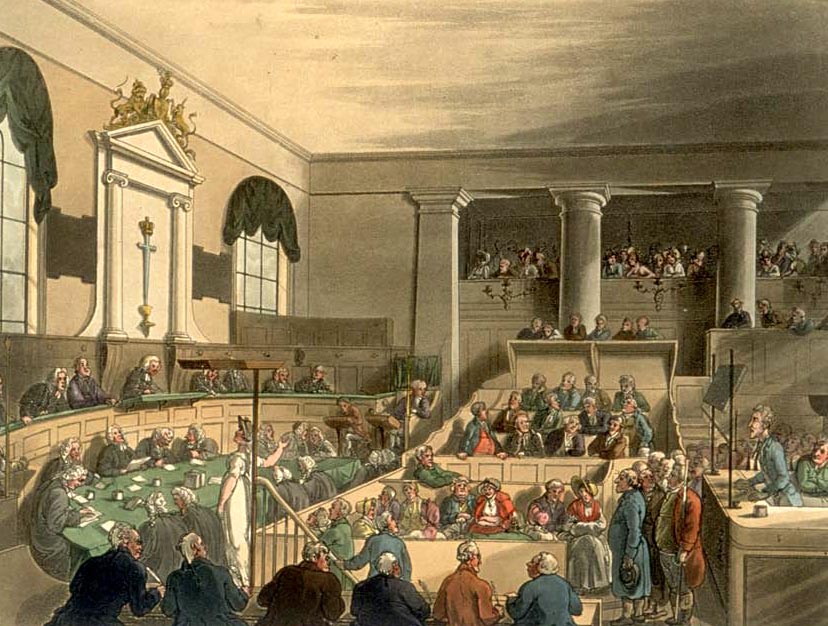


Core elements and classifications
Most legal systems rely on a set of basic concepts to decide criminal responsibility. Those concepts commonly include:
- Actus reus — the prohibited physical act or omission;
- Mens rea — the mental state or intent required for guilt (varies by offence);
- Concurrence and causation — the act and mental state must coincide and be the legal cause of harm;
- Defences — such as self-defence, necessity, insanity, or duress that may excuse or justify conduct;
- Classification — crimes are often grouped by seriousness (for example, felonies and misdemeanours) or by subject matter (violent, property, regulatory).
Goals and sanctions
Criminal law serves several objectives simultaneously. Commonly cited purposes include deterrence (discouraging future offences), incapacitation (removing dangerous individuals from the community), retribution (proportionate punishment), rehabilitation (reforming offenders), and restoration (repairing harm to victims and communities). Sanctions vary from fines and community sentences to imprisonment and, where applicable, restitution. For information on punishments and sentencing see penalties and sanctions.
Procedure and standards
Procedural protections distinguish criminal from other areas of law: the presumption of innocence, the right to counsel, rules for lawful search and seizure, and the requirement that guilt be proved beyond a reasonable doubt in many jurisdictions. Prosecutors represent the state and must follow statutory rules that determine when charges are brought, how evidence is obtained, and how trials proceed.
History and development
Criminal rules have roots in ancient legal codes and religious norms, and evolved through customary law, royal statutes and later codification. In many countries the nineteenth and twentieth centuries saw systematic codification of offences and procedure; in recent decades international criminal law has developed to address war crimes, genocide and crimes against humanity. National systems continue to adapt to new technologies and social concerns, for example cybercrime and environmental offences.
Distinctions, examples and notable facts
Criminal law differs from civil law in purpose and outcome: criminal cases seek to enforce public norms and may lead to punishment by the state, while civil law typically resolves private disputes and awards compensation. Examples of common crimes include homicide, assault, theft, fraud and drug offences; regulatory or strict-liability offences may punish conduct without traditional intent. Debates about proportionality, sentencing, alternatives to incarceration and the balance between public safety and individual rights are ongoing in many legal systems. For a comparison with civil remedies see civil law contrasts, and for aspects related to property protection see property and related offences.
Related articles
Author
AlegsaOnline.com Criminal law: principles, purposes, and legal framework Leandro Alegsa
URL: https://en.alegsaonline.com/art/24196
Sources
- ashgate.com : "The Right Not to be Criminalized: Demarcating Criminal Law's Authority"