
Costa Concordia: design, disaster, and aftermath
Costa Concordia was a large Concordia-class cruise ship that struck a reef and capsized off Isola del Giglio in 2012, prompting a major rescue, legal proceedings, and one of the largest salvage operations in maritime history.
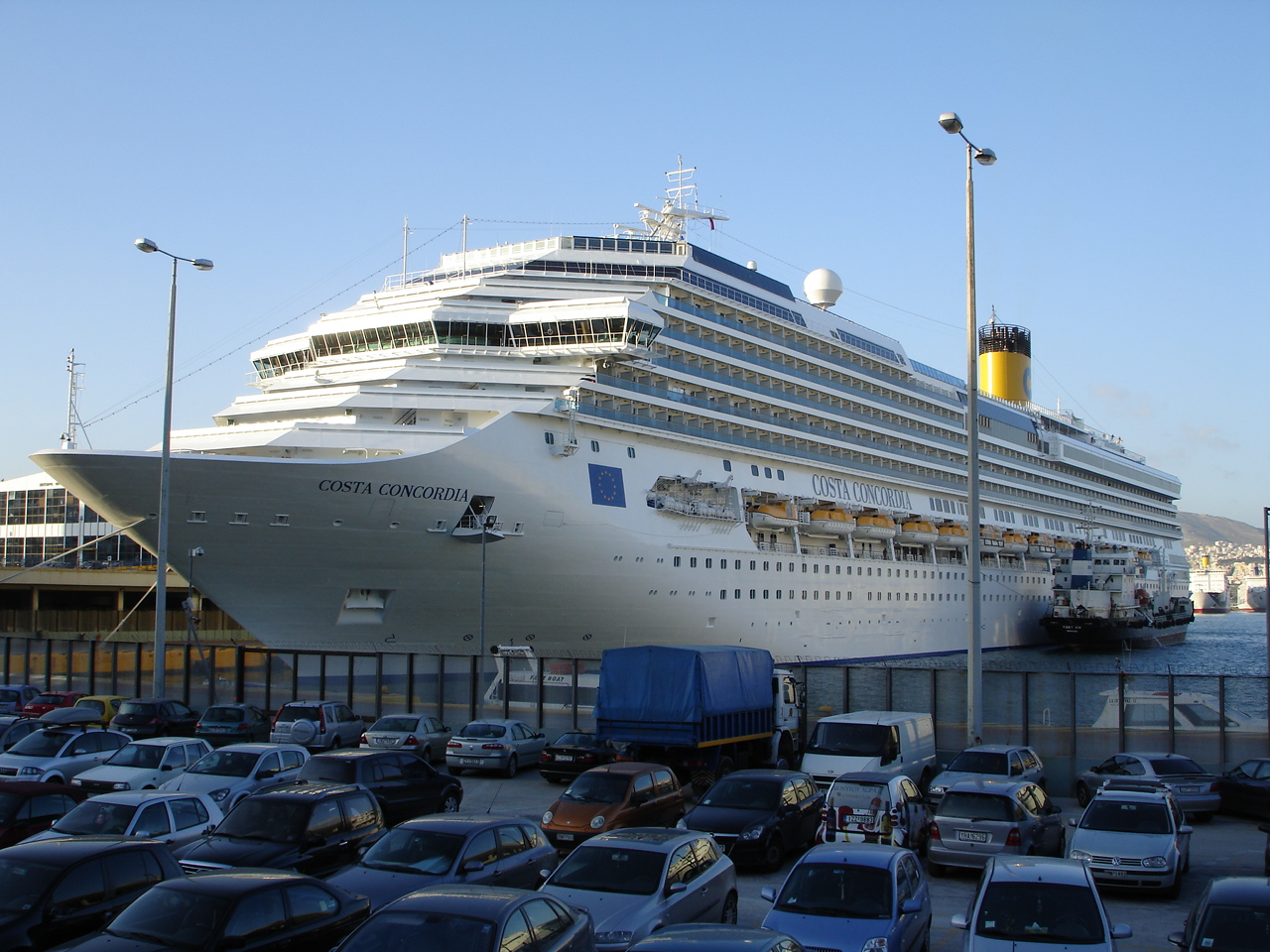
Costa Concordia was a Concordia-class cruise ship operated by the Italy-based Costa Cruises, part of the Carnival Corporation & plc group. Built by Fincantieri's Sestri Ponente yard in Italy, she entered service in 2006 as one of the largest cruise ships constructed in the country. The name Concordia was intended to evoke harmony and unity. Her design, passenger amenities and layout reflected early 21st-century trends in large ocean-going leisure vessels, combining multiple decks of cabins, public spaces, dining venues and entertainment facilities.
Image gallery
8 Images


Characteristics and layout
The ship belonged to a group of sister vessels that included Costa Serena and Costa Pacifica as well as related ships built for Carnival. Costa Concordia measured over 100,000 gross tons and was designed to carry thousands of passengers plus crew. Like other modern cruise ships, she featured extensive safety systems, lifeboats and evacuation procedures, though those resources were tested under extreme conditions during the 2012 accident.
Incidents before 2012
Costa Concordia experienced a routine operational incident in November 2008 when strong winds pushed her into a Palermo berth, causing damage to the bow but no injuries; repairs were carried out soon afterward. This event underscored the hazards that large ships can face while maneuvering in confined ports and the importance of tug assistance and berth management.
2012 grounding and capsizing
On 13 January 2012, while on a Mediterranean cruise, Costa Concordia deviated from her planned track and struck submerged rocks near Isola del Giglio. The hull was breached and the vessel developed a severe list; eventually she ran aground and partially sank close to the island's shoreline. Around 4,200 passengers and crew were aboard at the time. The accident resulted in multiple fatalities and many injuries and prompted a large-scale emergency evacuation and search operation. The event drew international media attention and raised questions about bridge procedures, safety culture and route planning. The vessel's movement prior to the accident and the conduct of the ship's master were central to subsequent inquiries and criminal proceedings.
Rescue, legal outcome and salvage
Rescue teams from nearby ports and islands assisted in evacuating passengers; some were transferred to shore by local boats and rescue vessels. The ship's master faced criminal charges for his role in the accident and for abandoning ship; he was later tried and convicted. The stranded wreck presented a significant environmental and navigational hazard, leading to one of the most complex salvage operations ever undertaken. In 2013 engineers completed a parbuckling operation to rotate the hull upright, followed by refloating and towing. The wreck was eventually taken to a shipbreaking facility and dismantled.
Legacy and maritime lessons
The Costa Concordia disaster influenced maritime safety discussions worldwide. Investigations emphasized the need for clear bridge resource management, strict adherence to established routes and comprehensive emergency preparedness for large passenger ships. The case also highlighted the technical challenges of wreck removal in shallow coastal waters and set precedents for forensic investigation, passenger evacuation assessment, and the legal responsibilities of shipmasters and shipping companies.
- Builder: Fincantieri (Sestri Ponente)
- Notable locations: Palermo (2008 incident), Isola del Giglio (2012 wreck)
- Related topics: Costa Concordia (ship), maritime salvage techniques, passenger-ship safety
- Further reading: see investigations and maritime safety reviews linked by agencies and industry groups (Sicilian operations, accounts of grounding).
Questions and answers
Q: What is the name of the cruise ship?
A: The cruise ship is called MS Costa Concordia.
Q: Who owns and operates the ship?
A: Costa Cruises, a subsidiary of British-American Carnival Corporation & Plc, owns and operates the ship.
Q: Where was it built?
A: It was built at Fincantieri's Sestri Ponente yards in Italy.
Q: What does the name Concordia mean?
A: The name Concordia was meant to express the wish for "continuing harmony, unity, and peace between European nations."
Q: How large is MS Costa Concordia?
A: MS Costa Concordia is 114,500 GRT (Gross Register Tonnage).
Q: What happened on 22 November 2008 to cause damage to its bow? A: On 22 November 2008, high winds over the Sicilian city of Palermo pushed the ship against its dock which caused damage to its bow.
Q: Why were people angry with the captain of MS Costa Concordia? A: People were angry with the captain because he left the ship instead of staying on board to help other passengers get off safely. His "error" took the ship off of its programmed route which resulted in tragedy.
Related articles
Author
AlegsaOnline.com Costa Concordia: design, disaster, and aftermath Leandro Alegsa
URL: https://en.alegsaonline.com/art/23333
Sources
- freesun.be : "Eva Herzigova to be the Godmother of Costa Concordia"
- leonardoinfo.com : "Costa Concordia (9320544)"
- timesofmalta.com : "Malta on new liner's itinerary" · webcitation.org
- nypost.com : "3 bodies recovered, many people missing after luxury boat runs aground in Italy"
- timesofmalta.com : "Cruise liner damaged after leaving Malta"
- tobetravelagent.com : "Costa Concordia Itinerary"
- ibtimes.com : "Costa Concordia: Captain Arrested, 41 Missing After Italy Cruise Ship Disaster" · webcitation.org
- bbc.co.uk : bbc.co.uk/news/world-europe-16564789