
Culture jamming: tactics of media subversion and consumer critique
Culture jamming is an activist and artistic tactic that disrupts or subverts mainstream media, advertising and corporate imagery to critique consumerism, reclaim public space, and provoke debate.
Overview
Culture jamming is a form of creative dissent that alters, parodies or interrupts mainstream cultural messages in order to expose, critique, or undermine commercial and political power. Practiced by artists, activists and grassroots collectives, it repurposes familiar signs, logos and media formats so that viewers see a different meaning than the original commercial message intended. Participants often come from or work with consumer groups and social movements to challenge assumptions about consumption, branding and corporate influence.
Image gallery
1 Image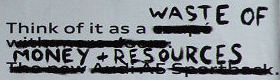
Common tactics
Culture jammers use a range of techniques that are often inexpensive, visible and designed for quick viral spread. Tactics include:
- Logo and billboard alteration: modifying advertisements or public signage to change their message or reveal hidden meanings.
- Subvertising: creating spoof ads that mimic corporate style while delivering critical content.
- Media hoaxes and détournement: producing fake press releases, mock websites or staged events that expose contradictions in mainstream narratives.
- Street performance and interventions: live actions, flash mobs or guerrilla theatre in public spaces that interrupt everyday consumption routines.
- Remix and mashup culture: reworking commercial imagery, music or video to produce alternative cultural commentary.
History and influences
The practice draws on older traditions of political satire and artistic détournement — a technique associated with mid-20th-century avant-garde movements that recontextualized existing cultural material. The label "culture jamming" emerged in the late 20th century as a descriptor for activist strategies aimed specifically at media and brand culture. Over time a network of magazines, street art groups and online communities adopted and adapted these methods for both local protest and international campaigns.
Examples and significance
Notable examples include altered billboards that critique environmental or labor practices, spoof corporate websites that reveal corporate rhetoric, and public spectacles that draw media attention to social issues. These actions aim to disrupt the seamless presentation of corporate messages and create moments of reflection for passersby. Beyond immediate publicity, culture jamming can serve educational purposes, spark debate, and influence how people perceive advertising and authority.
Distinctions, limits and legal concerns
Culture jamming differs from conventional protest by relying on satire, aesthetics and symbolic disruption rather than petitions or formal lobbying. Its impact is often cultural and discursive rather than legislative. Practitioners face ethical and legal questions: altered property can violate laws, and satire can be co-opted by the same market forces it criticizes. Critics also argue that iconic jamming actions are sometimes absorbed into popular culture, losing their critical edge.
Despite these limits, culture jamming remains a resilient mode of civic expression. By reusing the visual language of advertising and media, it invites people to read familiar signs more critically and to imagine alternatives to predominant consumer narratives.
Related articles
Author
AlegsaOnline.com Culture jamming: tactics of media subversion and consumer critique Leandro Alegsa
URL: https://en.alegsaonline.com/art/24624