
Cult following
A cult following is a small, intensely devoted fanbase around a cultural work. This article explains its traits, history, community activities, and how it differs from mainstream popularity.
Overview
A cult following describes a group of admirers who show unusually strong loyalty to a particular cultural work, artist, franchise, or idea. The term is often applied to films, television series, books, musicians, and video games that do not achieve broad commercial success but inspire deep devotion among a smaller audience. Such works are frequently called "cult classics." For a concise explanation of the concept, see related definitions.
Image gallery
2 Images
Common characteristics
Although cult followings vary, several recurring features appear across examples:
- Intensity: Fans demonstrate strong emotional investment, sometimes over many years.
- Community: Members often form close-knit social groups, both in person and online. Many discuss the work and share interpretations via forums and social media; for community hubs see fan communities.
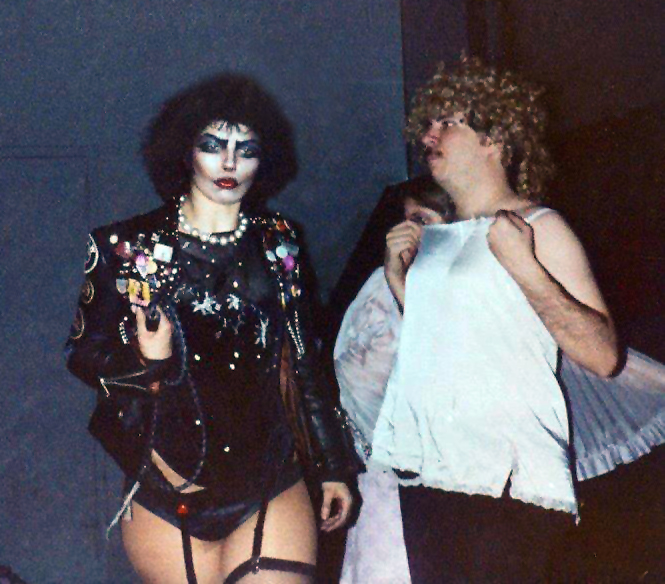
- Rituals and creative activity: Devotees may organize viewings, conventions, cosplay, fan fiction, and fan-made art or props.
- Irony and affection: Some followings celebrate works for qualities that deviate from mainstream aesthetic standards (a phenomenon sometimes described as camp).
Origins and historical notes
The idea of a "cult" around a cultural product grew as media distribution diversified. In the 20th century, late-night film screenings, independent cinemas, and fanzines helped smaller works find devoted audiences. The internet later accelerated the formation and coordination of fan communities, making it easier for geographically dispersed admirers to share resources, fan creations, and event information. For more on fan studies and subcultural development see scholarly summaries.
Community activities and examples
Members of cult followings engage in a wide range of practices that sustain and transform the source material. Typical activities include:
- Organizing fan conventions, screenings, or anniversaries.
- Producing fan fiction, videos, fan art, and audio works that expand the original universe; many fan creative works are collected or shared through dedicated platforms — for examples, see fan archives.
- Crafting costumes, replicas, and models linked to the work; tutorials and communities for making such items can be found at maker forums.
- Maintaining encyclopedic resources, wikis, and discussion threads to preserve collective knowledge.
Distinctions and notable facts
Not all enthusiastic niches are cult followings. The term usually implies a discrepancy between cultural prominence and the intensity of fan devotion: mainstream hits can have vast fan communities without being described as "cult." At the same time, some properties transition from niche to mainstream, changing the nature of their followings. The distinction between ironic appreciation and sincere admiration is another notable dynamic; some groups lean into camp and parody, while others focus on serious analysis and celebration. For commentary on these distinctions and how they affect reception, see critical perspectives.
Cult followings play a role in preserving overlooked or marginal works and can influence later creators by keeping certain ideas in circulation. They demonstrate how audiences actively participate in culture—shaping meanings, producing new content, and forming social bonds around shared tastes.
Related articles
Author
AlegsaOnline.com Cult following Leandro Alegsa
URL: https://en.alegsaonline.com/art/24605
Sources
- cult.tv : "The Official Cult TV Magazine"