
Aleutians West Census Area, Alaska
A remote census area in western Alaska encompassing portions of the Aleutian and Pribilof islands; notable for fishing, aviation-dependent communities, and its Unorganized Borough status.
The Aleutians West Census Area is a U.S. census area located in the state of Alaska. It covers a scattered group of islands in the western Aleutian chain and the Pribilof Islands, forming a rugged maritime landscape of volcanic peaks, tundra and rich marine waters. According to the 2010 census, the population was 5,561. The area is part of the Unorganized Borough, so it has no borough government or borough seat; local affairs are administered at the state level. Its largest community is Unalaska, an important fishing and shipping center.
Image gallery
2 Images
Geography and environment
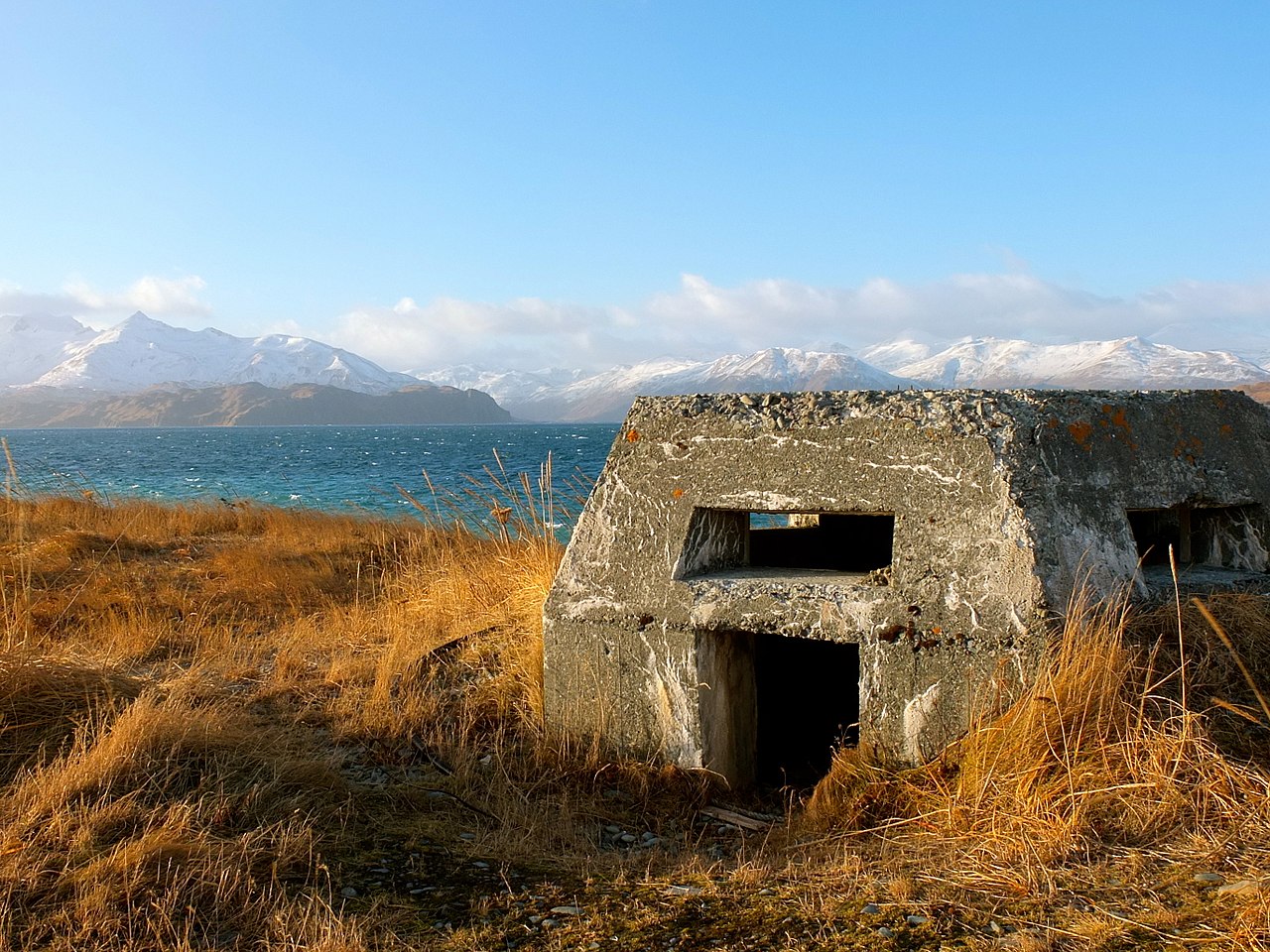
The census area occupies remote islands stretching between the North Pacific Ocean and the Bering Sea. The islands are volcanically active, wind-exposed and generally treeless, with coastal tundra and a short growing season. Cold, nutrient-rich currents support large populations of fish, seabirds and marine mammals, making the region ecologically significant for seabird colonies and commercial fisheries. For a regional overview, see the Aleutian Islands region.
History and people
Indigenous Aleut (Unangan) people have lived on these islands for millennia, adapting to sea-oriented subsistence. European contact and Russian colonization in the 18th and 19th centuries brought fur trade and cultural change; the islands became part of the United States with the Alaska purchase in 1867. During World War II the Aleutians were the site of combat operations and military bases on some islands, which influenced later settlement patterns.
Economy and transportation
The local economy is dominated by commercial fishing and seafood processing, with Unalaska (Dutch Harbor) serving as a major port for crab, pollock and other fisheries. Employment also comes from government services, local commerce and limited tourism focused on wildlife and history. Communities depend on air and marine links for supplies, medical care and passenger transport; there are no road connections between islands.
Communities and administration
Principal communities include Unalaska, Adak, Atka and the Pribilof settlements of St. Paul and St. George, among smaller hamlets. Because the area lies within the Unorganized Borough, many public services are provided directly by the state of Alaska or through tribal and municipal organizations. Residents often balance traditional subsistence activities with commercial work in fisheries and shipping.
Notable facts
- The area is widely recognized for its strategic location, biological productivity and challenging weather.
- Its communities reflect a mix of indigenous heritage and maritime industry.
- Further statistical and mapping resources are available through census and regional studies (census data, administrative context).
Tags
Related articles
Author
AlegsaOnline.com Aleutians West Census Area, Alaska Leandro Alegsa
URL: https://en.alegsaonline.com/art/2313
Sources
- quickfacts.census.gov : "State & County QuickFacts"