
Unalaska, Alaska: ports, history, and life on the Aleutian islands
Unalaska is a remote city spanning Unalaska and Amaknak islands in the Aleutians. Known for Dutch Harbor, large seafood ports, Aleut heritage, Makushin Volcano and World War II history.
Unalaska is a city located on two adjacent islands in the North Pacific. It occupies most of Unalaska Island and neighboring Amaknak Island, where the busy port area known as Dutch Harbor is situated. Although administratively part of Alaska, Unalaska's setting and daily life are shaped by the sea, weather and a mix of Indigenous, Russian and American influences.
Image gallery
10 Images


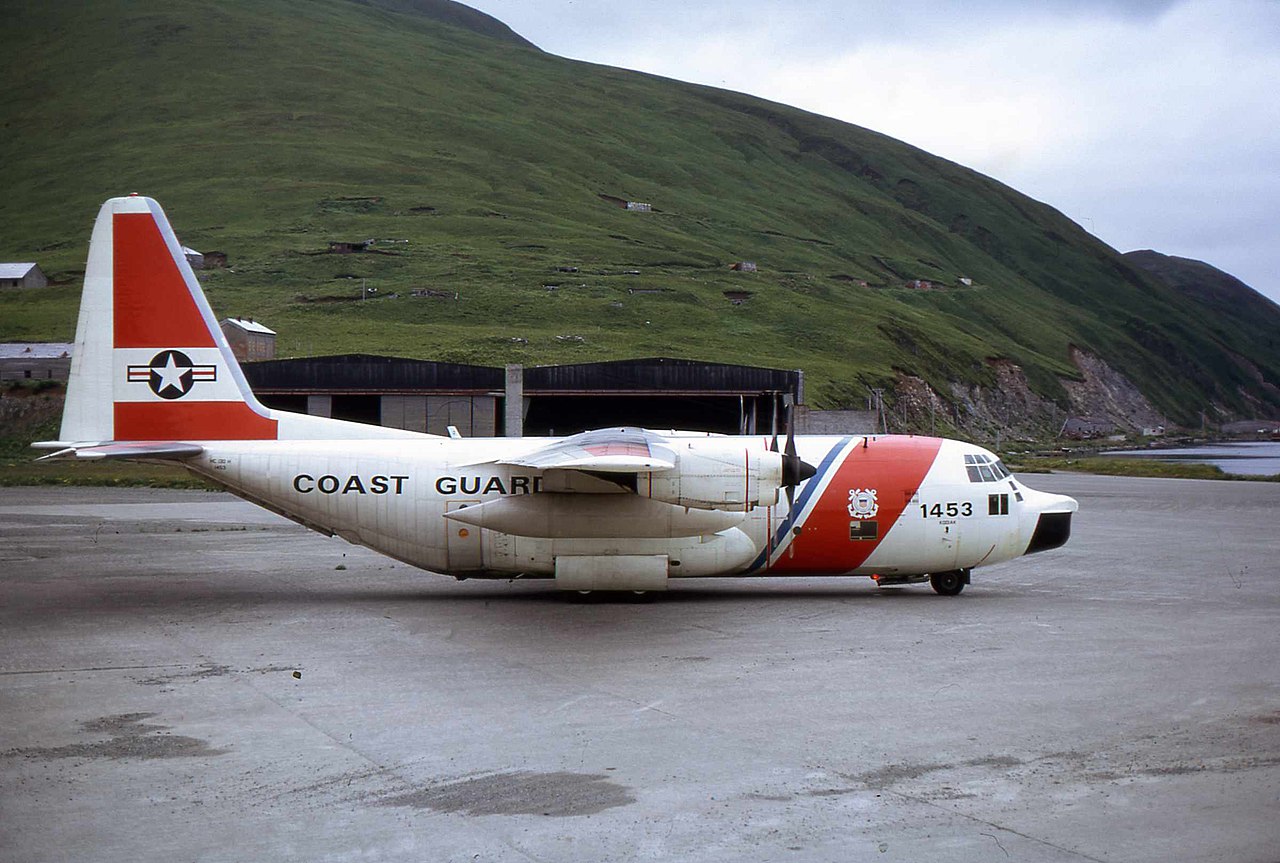
Geography and natural features
The community sits near the central Aleutian chain and is exposed to a maritime, cool, often windy climate. Makushin Volcano rises on Unalaska Island and is an observable landmark; on clear days steam or fumarolic activity can be visible from parts of the town. The island landscape includes rocky shores, sheltered bays and tundra-covered slopes. The native Aleut name for the place, often rendered as Ounalashka, is commonly translated as "near the peninsula." Aleutian Islands geology and ocean currents shape local weather and marine productivity.
History and cultural background
The area has been occupied by the Aleut (Unangax̂) people for millennia. Russian hunters, traders and missionaries arrived in the 18th century, introducing new economic patterns and settlements. During World War II the nearby Dutch Harbor became strategically important and was attacked in 1942; remnants of wartime structures and memorials remain part of local history. Over time the community developed into a modern town while retaining connections to Aleut traditions.
Economy and uses
Unalaska's economy is dominated by commercial fishing and seafood processing. Amaknak Island's harbor facilities handle a large share of the nation's seafood catch by volume, making Dutch Harbor one of the United States' most important fishing ports. Supporting activities include shipping, vessel services, cold storage and related logistics. Seasonal work, processing plants and marine supply services are major sources of local employment.
Community, transport and services
Most port infrastructure, fish processing plants and many residences are concentrated on Amaknak Island, connected to Unalaska Island by bridges and roads. The city is reached by air via a regional airport and by scheduled freight or charter vessels. Local institutions include schools, a port authority and cultural organizations that preserve Aleut heritage. Remote location and harsh weather affect costs, supply chains and daily life.
Notable facts and distinctions
Key features of Unalaska include:
- Makushin Volcano and geothermal activity visible from the islands;
- the commercial port of Dutch Harbor, one of the U.S. leaders in fish landed by volume;
- a long Aleut cultural history and layers of Russian and American influence;
- World War II sites tied to the Aleutian campaign.
Visitors and researchers are drawn by the combination of maritime industry, rugged scenery and historical significance. Because of its strategic harbor and abundant marine resources, Unalaska continues to play an important role in regional commerce, subsistence practices and cultural life.
More about Unalaska | More about Alaska | More about the Aleutian Islands
Related articles
Author
AlegsaOnline.com Unalaska, Alaska: ports, history, and life on the Aleutian islands Leandro Alegsa
URL: https://en.alegsaonline.com/art/102765
Sources
- www2.census.gov : "2016 U.S. Gazetteer Files"