
Alaska Peninsula: geography, geology, ecology, and human use
Long, volcanic peninsula in southwestern Alaska separating the Pacific Ocean and Bering Sea; notable for rugged terrain, active volcanism, rich fisheries and wildlife refuges.
The Alaska Peninsula is a long, narrow arm of land in southwestern Alaska that projects westward toward the Aleutian Islands. It separates the colder waters of the Bering Sea on the north from the open Pacific Ocean to the south. The peninsula stretches for many hundreds of miles, with a largely undeveloped, sparsely populated coastline of bays, coves and rocky headlands. Weather is maritime, with frequent fog, strong storms and cool summers that shape both human activity and ecosystems.
Image gallery
8 Images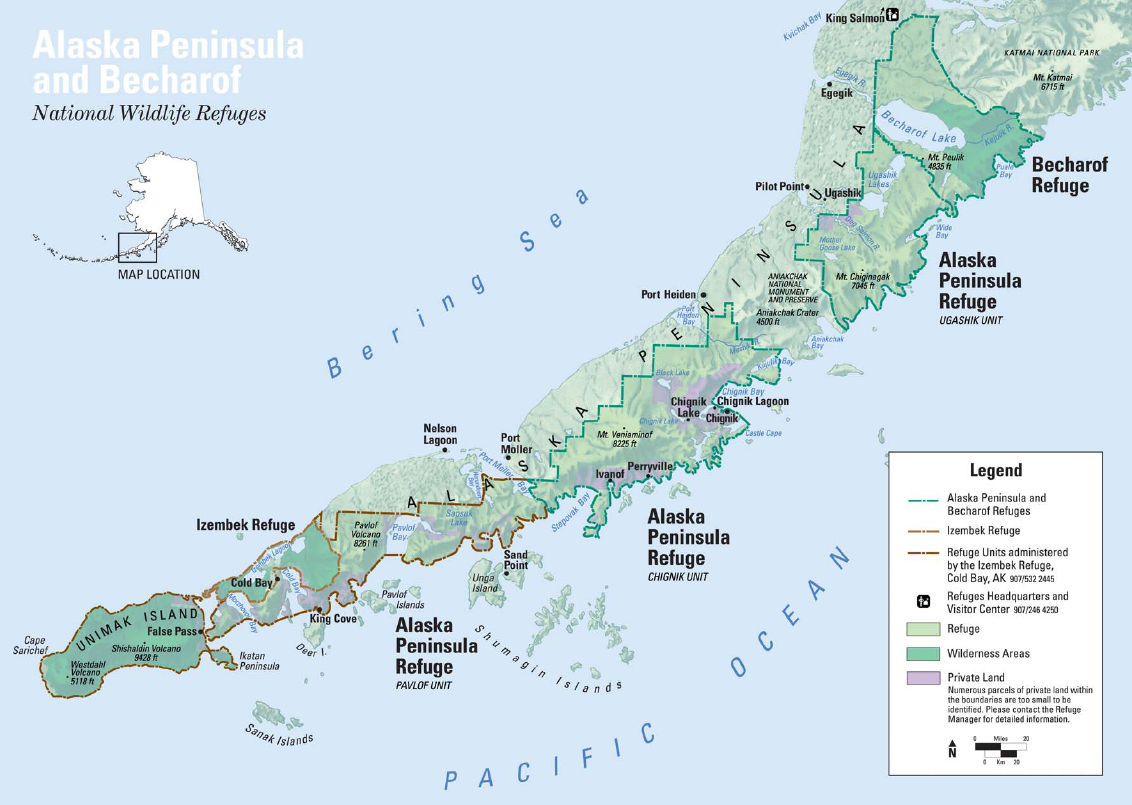




Geology and landscape
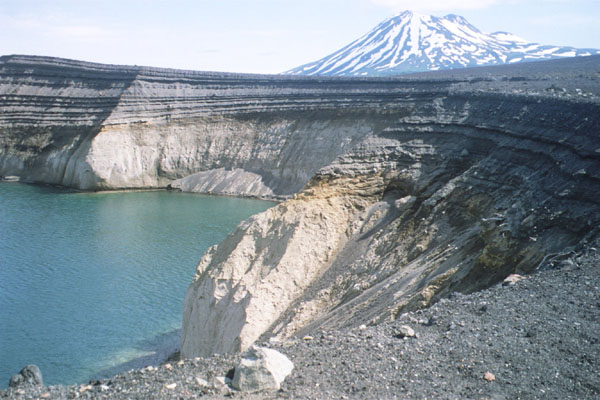
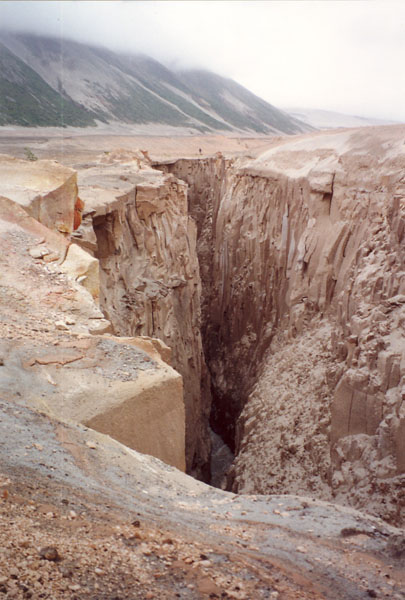
Volcanic arc and tectonics. The peninsula forms part of the Aleutian Range and owes its steep mountains, volcanic cones and seismicity to the subduction of the Pacific Plate beneath the North American Plate. Numerous volcanoes, some still active, and past glaciation have produced rugged peaks, ash-rich soils, glacial valleys and extensive coastal wetlands.
Ecology and wildlife
The region supports a rich mix of tundra, estuaries, marshes and productive nearshore waters. Seasonal salmon runs attract large numbers of brown bears and are central to both marine and terrestrial food webs. Offshore waters host sea otters, seals and whales, while islands and cliffs provide nesting sites for millions of seabirds. The peninsula thus plays a key ecological role linking North Pacific and Bering Sea systems.
Human history, use and access
Indigenous Unangan (Aleut) communities have inhabited the peninsula and adjacent islands for millennia, relying on hunting, fishing and gathering. Today, coastal villages maintain subsistence practices alongside commercial fisheries for salmon, crab and groundfish. Remote access is common: travel and supply often depend on boats or small aircraft rather than roads.
- Protections: large tracts are managed as national parks, preserves or wildlife refuges to conserve habitat and cultural sites.
- Hazards: active volcanism, earthquakes, tsunamis and severe coastal weather periodically affect communities and ecosystems.
- Significance: the peninsula is a biological corridor and supports major fisheries important to regional economies and food security.
For regional overviews and practical information consult resources on southwestern Alaska, site descriptions of the Alaska Peninsula, and broader oceanographic or fisheries summaries for the Pacific Ocean and Bering Sea.
Tags
Related articles
Author
AlegsaOnline.com Alaska Peninsula: geography, geology, ecology, and human use Leandro Alegsa
URL: https://en.alegsaonline.com/art/2009