
Consumer protection: rights, laws, enforcement, and common issues
Overview of consumer protection: core rights, common unfair practices, legal frameworks, enforcement mechanisms, and why safeguards matter in modern markets.
Overview
Consumer protection refers to the collection of rules, institutions and practices that safeguard the interests of individual buyers in the marketplace. It aims to uphold consumer rights, ensure fair treatment of consumers, and preserve fair trade and healthy competition. Accurate and truthful information is central to functioning markets, especially in a market economy.
Image gallery
3 Images
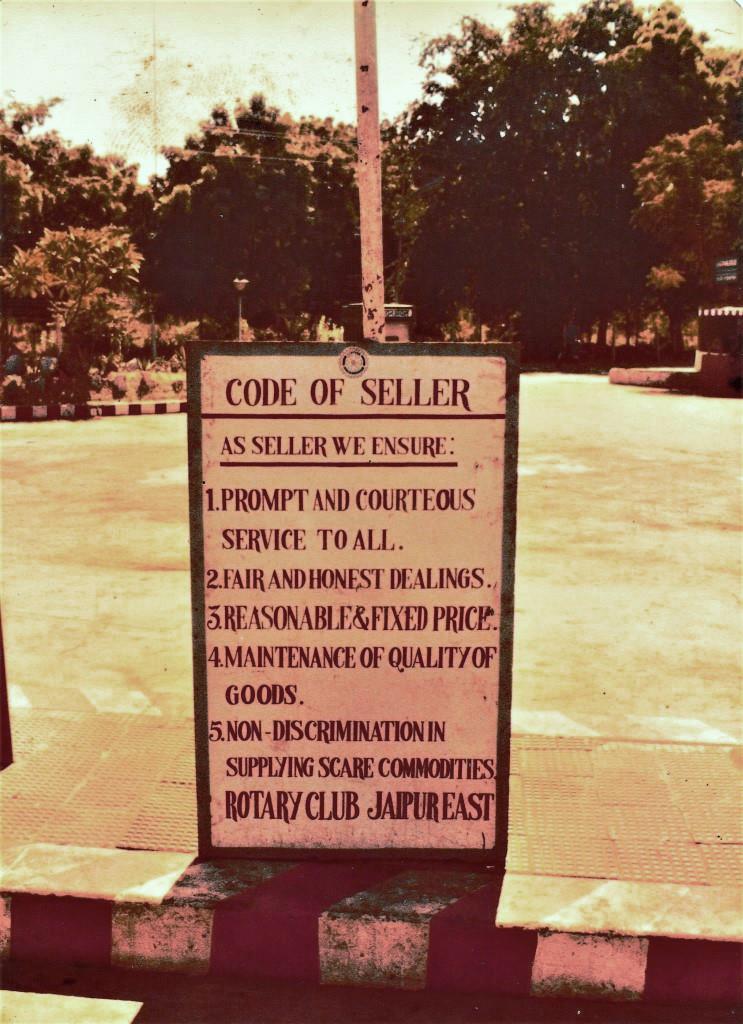

Key principles and typical rights
Most consumer protection systems rest on a few core principles: the right to safety, to be informed, to choose, and to be heard. These translate into specific protections such as disclosure requirements, product safety standards, warranties and return rights. Governments enact laws to give these principles legal force and to set minimum standards for sellers and service providers.
Laws, enforcement and responsible parties
Laws are enforced by a mix of public agencies, courts and sometimes independent advocacy groups. Enforcement tools include investigations, fines, injunctions and orders to repair or refund. Regulations target how companies present and deliver goods and services, and they often provide mechanisms for consumers to seek redress.
Common unfair practices
Regulators focus on stopping abusive or deceptive conduct. Typical problems include:
- Fraud and deliberate deception.
- Misleading or false advertising.
- Hidden fees, abusive contracts and unsafe products.
Consumer protection is therefore a form of regulation that balances market freedom with safeguards against harm.
History and development
The modern consumer movement grew in the 20th century as mass production and national markets expanded. Over time, statutes addressing product liability, unfair trade practices and information disclosure were introduced in many countries. Consumer advocacy organisations and specialized agencies developed to monitor markets and educate the public.
Importance, examples and distinctions
Effective consumer protection supports trust and efficiency in markets: consumers who can rely on rules and remedies are more likely to participate and compare options. Examples of typical remedies include refunds, repairs and class actions. It is distinct from broader social policy in that it focuses specifically on transactions between buyers and sellers, though it often overlaps with health, safety and competition policy.
Related articles
Author
AlegsaOnline.com Consumer protection: rights, laws, enforcement, and common issues Leandro Alegsa
URL: https://en.alegsaonline.com/art/22714
Sources
- en.wikibooks.org : Legal and Regulatory Issues in the Information Economy
- econlib.org : "Consumer Protection"
- worldcat.org : 237794267