
Controlled Substances Act (United States)
Overview of the U.S. Controlled Substances Act: its purpose, schedule system, administration, history, uses, and notable legal and policy issues.
Overview
The Controlled Substances Act (CSA) is a central piece of modern U.S. drug policy, enacted to regulate the manufacture, distribution, importation, possession and use of certain substances. It is a federal law that creates a framework distinguishing permitted medical uses from prohibited recreational or illicit uses. The statute covers a wide range of drugs and chemical precursors, and affects individuals, health-care providers and commercial entities such as companies involved in production or distribution. It also includes rules governing the import and export of controlled materials and the authority of practitioners to prescribe certain substances for medical treatment.
Image gallery
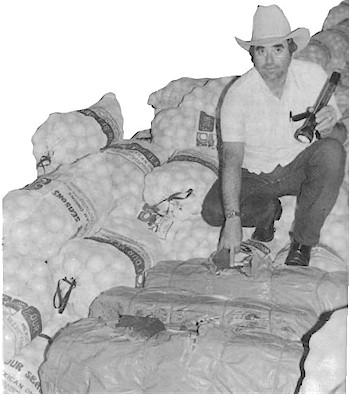
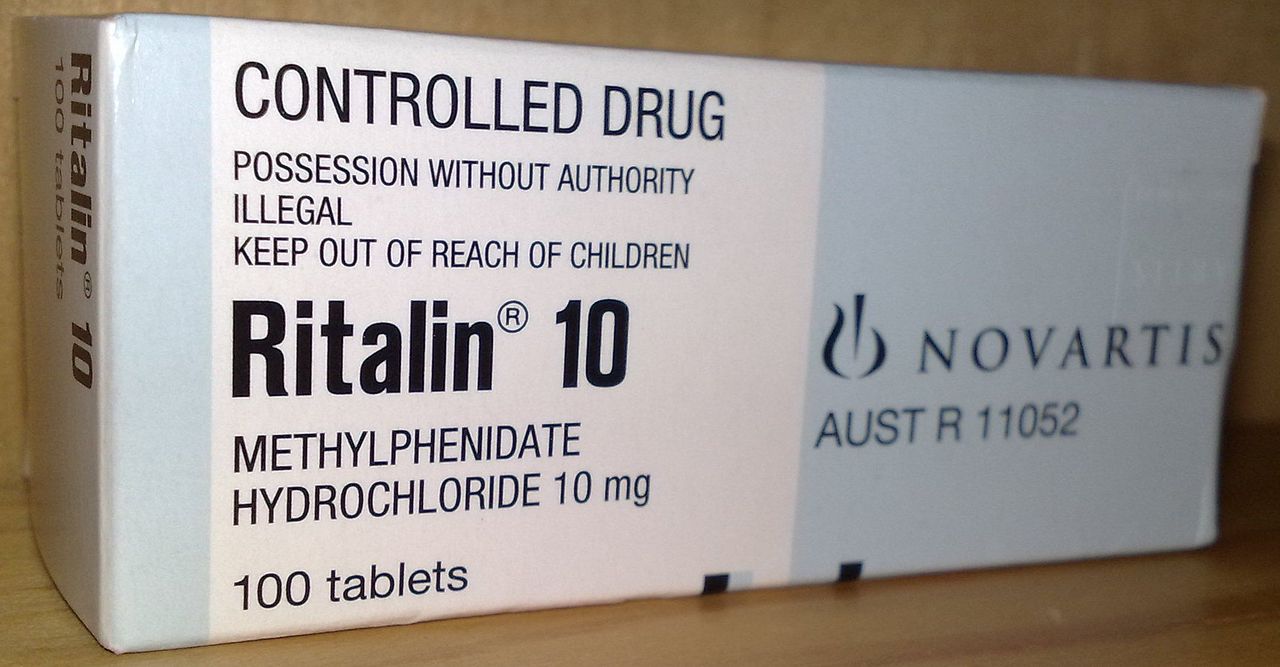
7 Images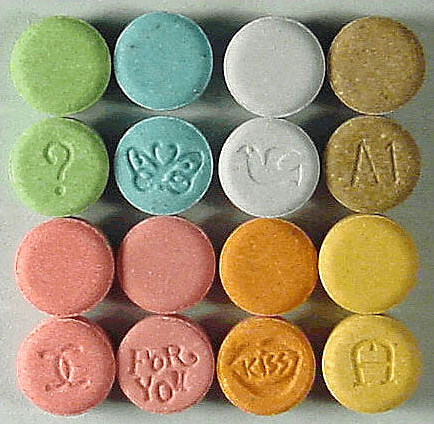


Structure and Schedules
The CSA sorts controlled substances into five schedules (I–V) based on criteria including potential for abuse, accepted medical use in treatment in the United States, and likelihood of causing dependence. These categories are used to set limits on prescribing, dispensing and research. In broad terms:
- Schedule I: substances considered to have high abuse potential and no accepted medical use in the U.S.
- Schedule II: high abuse potential but accepted medical uses with severe restrictions.
- Schedule III: moderate to low potential for physical dependence and accepted medical use.
- Schedule IV: lower abuse potential and accepted medical uses.
- Schedule V: substances with limited abuse potential and primarily containing preparations for medical use.
Administration and Enforcement
Implementation of the CSA is shared among federal agencies. The Drug Enforcement Administration (DEA) enforces criminal and regulatory provisions, while the Food and Drug Administration (FDA) contributes scientific and medical evaluations used in scheduling decisions. The law requires registration of manufacturers, distributors and prescribers, record-keeping, reporting of suspicious orders, and controls on chemical precursors. It also gives agencies authority to add or reschedule substances, including temporary emergency scheduling when new threats appear.
History and Development
The CSA was enacted in 1970 as part of the Comprehensive Drug Abuse Prevention and Control Act. The measure was passed by the United States Congress and signed into law by President Richard Nixon on October 27, 1970, formalizing and consolidating earlier federal statutes into a single statutory framework. The legislation reflected growing national concern about recreational drug use and sought to coordinate federal policy while leaving some authority to states. The original legislative bill set the scheduling system and enforcement structure that remains the backbone of federal drug control.
Uses, Examples and Impact
In practical terms, the CSA influences clinical practice, research, manufacturing and law enforcement. Certain commonly prescribed medicines are controlled to prevent diversion and misuse, while other substances are tightly restricted or prohibited. The statute also regulates chemicals used to synthesize illegal drugs and provides mechanisms for scientific research with controlled substances. State laws and medical guidelines interact with federal controls: for instance, conflicts have arisen where state-level medical programs permit use of a substance that remains controlled under federal law.
Distinctions, Debates and Notable Facts
Notable aspects of the CSA include the legal distinction between federal and state authority, the administrative process for rescheduling substances, and the role of scheduling in criminal penalties and prescribing limits. The law has been central to debates about sentencing disparities, access to pain management, the scope of medical marijuana programs, and how emerging drugs should be regulated. Questions about whether certain substances should be moved between schedules or exempted for medical research continue to be prominent in public policy discussions. Governments and health agencies around the world maintain their own controls and frameworks, and the term "controlled substance" is often used generically to indicate any compound subject to such regulation by a government or under specific laws. Many everyday medical products are subject to fewer restrictions because they are recognized as legitimate medications, while others remain tightly controlled to prevent misuse.
For further procedural details, scheduling criteria and historical documents consult agency summaries and legal analyses available through governmental resources and legal reference services. The CSA continues to shape how the United States addresses public health, crime and scientific research related to psychoactive substances.
Questions and answers
Q: What is the Controlled Substances Act?
A: The Controlled Substances Act is a federal law in the United States that controls what drugs American people and companies can have, make, import, and use.
Q: What kinds of substances are considered "controlled substances"?
A: "Controlled substances" include illegal drugs, chemicals that are used to make illegal drugs, and some medications.
Q: What does the Controlled Substances Act control regarding doctors?
A: The Controlled Substances Act controls what drugs doctors can prescribe.
Q: When was the Controlled Substances Act passed?
A: The Controlled Substances Act was passed by the United States Congress as part of the Comprehensive Drug Abuse Prevention and Control Act of 1970.
Q: When was the Controlled Substances Act signed into law?
A: The Controlled Substances Act was signed into law by President Richard Nixon on October 27, 1970.
Q: Which drugs are considered controlled substances if a government has rules or laws about them?
A: If a government has rules or laws about a certain drug, then that drug is considered a controlled substance.
Q: What does the Controlled Substances Act control regarding American people and companies?
A: The Controlled Substances Act controls what drugs American people and companies can have, make, import, and use.
Related articles
Author
AlegsaOnline.com Controlled Substances Act (United States) Leandro Alegsa
URL: https://en.alegsaonline.com/art/22811
Sources
- gpo.gov : Pub.L. 91–513
- law.cornell.edu : 21 U.S.C. § 801
- www4.law.cornell.edu : 21 USC § 802 – Definitions
- deadiversion.usdoj.gov : 21 U.S.C. § 841 – Prohibited acts A.
- deadiversion.usdoj.gov : "Prescriptions: Questions and Answers"
- law.cornell.edu : 21 U.S.C. § 812 – Schedules of controlled substances
- ncsl.org : "State Medical Marijuana Laws"
- deadiversion.usdoj.gov : "Cocaine"
- deadiversion.usdoj.gov : "Methamphetamine"
- law.cornell.edu : 21 U.S.C. § 811(h) – Authority and criteria for classification of substances
- deadiversion.usdoj.gov : "21 CFR Part 1308 (Docket No. DEA-345F), Schedules of Controlled Substances: Temporary Placement of Five Synthetic Cannabinoids Into Schedule I"