
Crop rotation: practice, benefits, history and planning
Crop rotation is the planned sequence of different crops on the same land to maintain soil fertility, interrupt pest cycles, and support sustainable production across seasons and years.
Overview
Crop rotation is an agricultural technique in which different crops are grown in succession on the same field according to a deliberate pattern. Rather than planting the same species year after year (monoculture), farmers rotate crops to balance nutrient demands, disrupt pest and disease life cycles, and improve soil health. Rotation can be simple, such as alternating a cereal and a legume, or complex, involving multiple species and cover crops over several seasons.
Image gallery
2 Images
Key characteristics and components
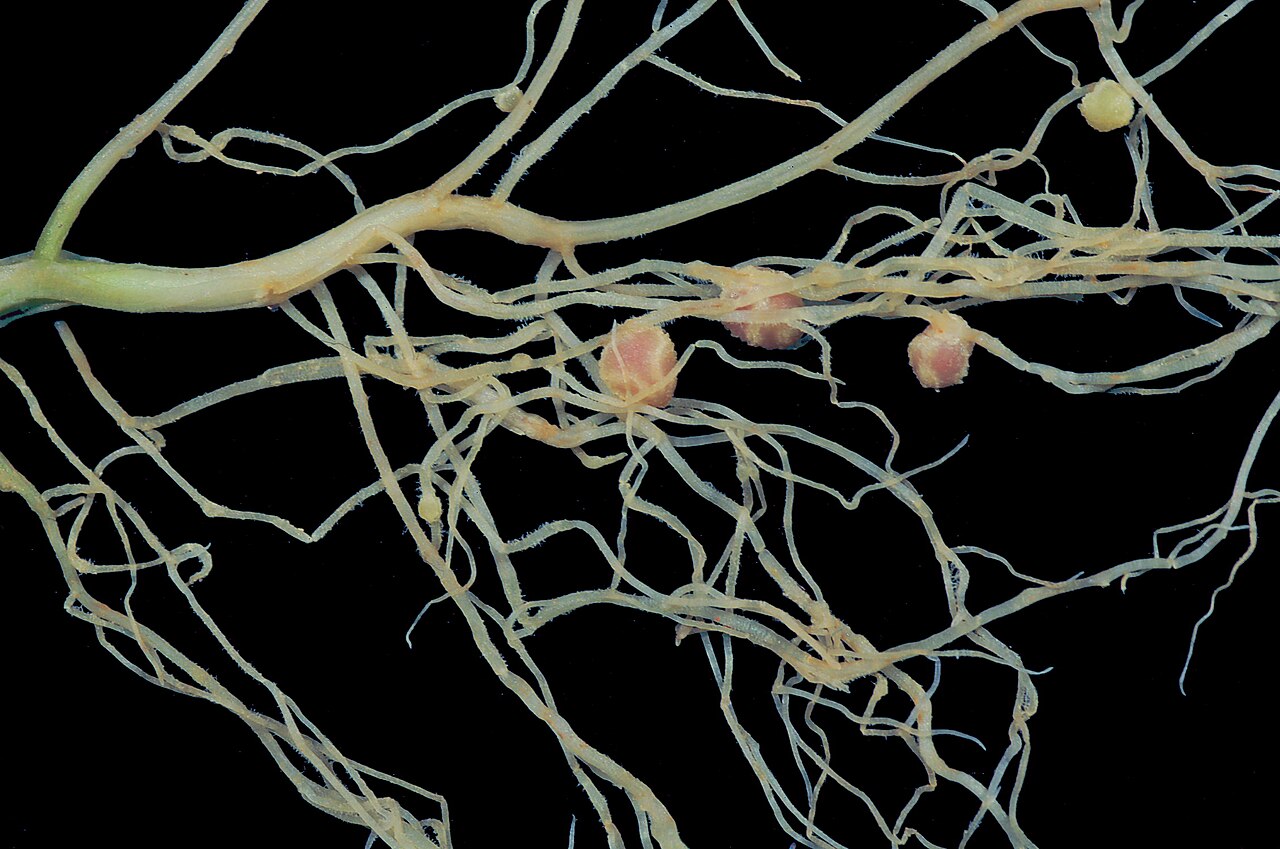
A good rotation considers the biology and resource needs of each crop. Important elements include rooting depth, nutrient uptake (for example, cereals are high nitrogen users while legumes supply nitrogen), susceptibility to the same pests and pathogens, and timing of planting and harvest. Rotations also often incorporate:
- Legumes or other nitrogen-fixing plants to replenish soil nitrogen through symbiotic bacteria;
- Cover crops or green manures to protect soil, add organic matter, and reduce erosion;
- Deep-rooted species to break up compacted layers and cycle nutrients from lower horizons;
- Periods without a cash crop to rest or regenerate the soil when needed.
History and development
Farmers have practiced forms of rotation and fallowing for millennia. In medieval Europe, the three-field system rotated cereals with a fallow or different crops to share land between grain, legumes, and resting plots. As botanical and soil science advanced, rotations were refined to exploit biological nitrogen fixation and to design sequences tailored to local pests, climate, and markets. Modern agronomy models rotations with an emphasis on sustainability and reduced dependence on synthetic inputs.
Uses, examples and importance
Crop rotation is used across scales from small mixed farms to large commercial enterprises. Typical modern examples include cereal–legume rotations (e.g., wheat followed by soy or peas), rotations that alternate annuals with perennial forages, or sequences that include root crops and cover crops. Benefits include improved nutrient cycling, reduced need for chemical fertilizers and pesticides, greater biodiversity, and better soil structure and water retention. Rotations also help manage weeds and reduce the build-up of crop-specific pathogens.
Planning considerations and distinctions
Designing a rotation requires balancing ecological goals and economic realities. Farmers consider market demand, machinery, labor, local climate and soil constraints, and the biology of pests and crops. Crop rotation differs from intercropping (growing multiple crops simultaneously in the same area) and from crop sequencing aimed only at cash flow; rotation emphasizes multi-year ecological effects. For further practical guidance and case studies see further reading.
Notable facts
Well-managed rotations are a cornerstone of sustainable agriculture. They can lower input costs, mitigate erosion, support pollinators and beneficial organisms, and increase resilience to variable weather. While not a universal cure, rotation remains one of the most reliable, low-technology tools for long-term soil stewardship.
Related articles
Author
AlegsaOnline.com Crop rotation: practice, benefits, history and planning Leandro Alegsa
URL: https://en.alegsaonline.com/art/24300
Sources
- rhs.org.uk : Royal Horticultural Society