
Critically endangered species
Species judged to face an extremely high risk of extinction in the wild. Covers definition, assessment criteria, main threats, conservation approaches and notable examples.
Critically endangered denotes species of plants or animals assessed as facing an extremely high probability of extinction in the wild. The term is widely used by conservation organizations and appears as a formal category on assessment lists such as the IUCN Red List. It highlights taxa that require urgent protection to avoid disappearance from their natural habitats.
Image gallery
8 Images


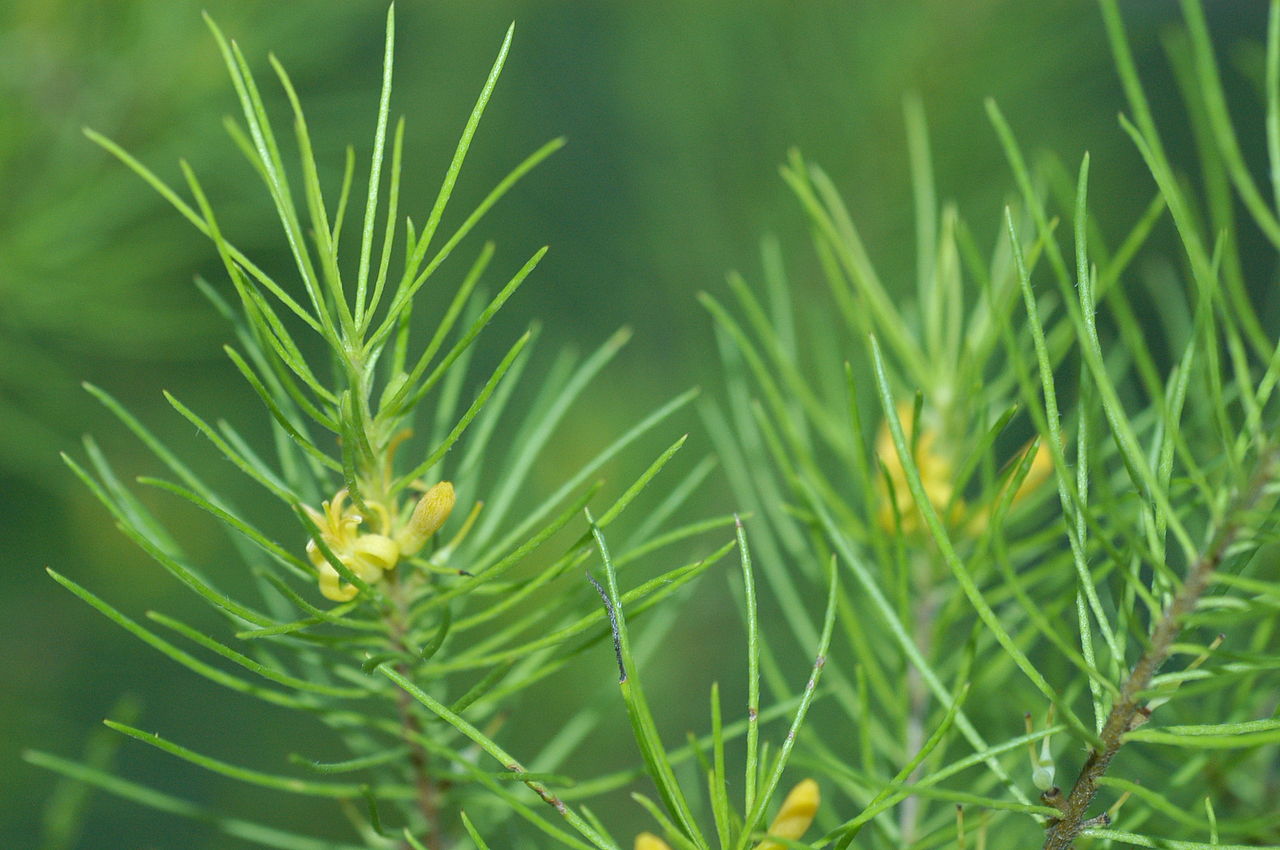


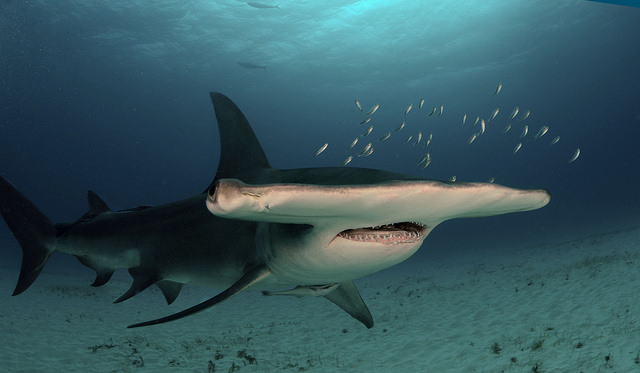
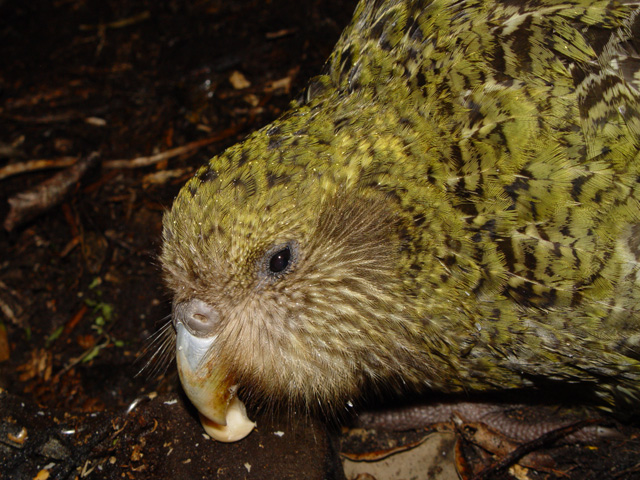
How the status is determined
Assessments combine multiple lines of evidence: recent and projected population trends, the size and fragmentation of geographic range, and the total number of mature individuals. The category is reserved for species experiencing very severe declines, extremely small populations or ranges, or other factors that make extinction highly probable without intervention.
Main threats
Many different pressures can drive species to this level of risk. Common drivers include:
- Habitat loss and degradation from land conversion, development, or resource extraction.
- Overexploitation through hunting, fishing, or illegal trade.
- Invasive species and diseases that alter ecosystems or directly harm native populations.
- Climate change, which shifts suitable habitats or increases extreme events.
Conservation responses
Efforts to prevent extinction combine in situ and ex situ measures. Typical actions are legal protection, habitat preservation and restoration, control of invasive species, anti-poaching enforcement, captive breeding and reintroduction programs, and targeted research and monitoring. International cooperation and funding are often necessary because many critically endangered species cross national boundaries or require specialized interventions.
Importance and examples
Protecting critically endangered species helps preserve genetic diversity and ecosystem functions. Well-known examples often cited in conservation discussion include the vaquita, the Javan rhinoceros and the Amur leopard. Some species have been brought back from the brink through sustained conservation work; such recoveries demonstrate that targeted actions can reduce extinction risk and sometimes allow a species to be reclassified to a lower-risk category.
Distinctions and further reading
The label differs from other risk levels such as endangered or vulnerable, which indicate progressively lower immediate risk. For technical criteria, threats and case studies consult official assessment resources and databases that document why a species qualifies as critically endangered and what measures are recommended to lower its risk of extinction. See also risk of extinction for broader context.
Related articles
Author
AlegsaOnline.com Critically endangered species Leandro Alegsa
URL: https://en.alegsaonline.com/art/24235