
Controlled burn (prescribed fire): purposes, methods, and history
A controlled burn (prescribed fire) is an intentionally set, carefully managed outdoor fire used to reduce fuel, restore ecosystems, and lower wildfire risk under trained supervision.
A controlled burn, also called a prescribed fire, is an intentionally ignited outdoor fire that trained personnel manage so it consumes vegetation in a planned way. It is carried out to meet specific land-management objectives while minimizing risks to people, property and air quality. Controlled burns are scheduled for conditions that allow the flames to move through a target area without escaping control lines, and they are supervised until smoldering fuels no longer pose a threat.
Image gallery
10 Images


Key characteristics and planning
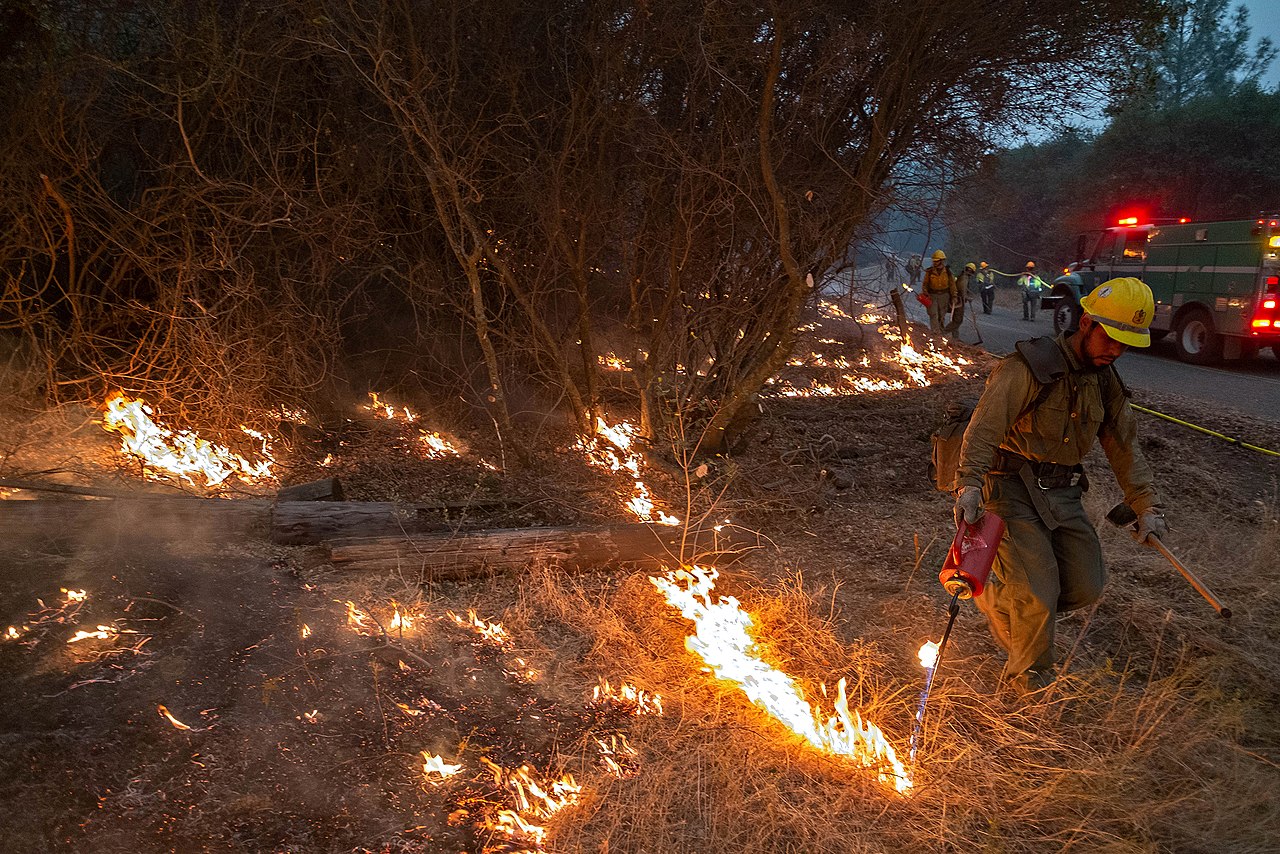
Planning a controlled burn involves assessment of fuel conditions, slope and topography, local weather (wind, temperature, humidity), availability of equipment and trained crews, and legal permits. Typical measures include building firebreaks, arranging water and engines, defining ignition patterns, and having contingency resources on hand. Ignition strategies vary: backing fires advance slowly into the wind, head fires burn quickly with the wind, and strip or drip torches are used to create controlled firelines.
Common techniques
- Backburning: lighting fires against the wind to reduce fuel ahead of a main blaze.
- Directional firing: igniting in patterns that steer fire spread.
- Pile burning: burning accumulated brush or slash in discrete piles.
History and development
Humans have used fire as a land-management tool for millennia to clear land, encourage desired plant growth and aid hunting. Modern prescribed burning developed as forestry and conservation science recognized ecological roles of periodic fire in maintaining healthy forests, prairies and shrublands. In many regions, indigenous peoples' fire practices informed later management, but formalized programs emerged with government forestry services and conservation agencies during the 20th century.
Uses, benefits and examples
Controlled burns reduce accumulated fuels that can feed large wildfires, help control invasive species, recycle nutrients to the soil, and maintain habitats that depend on periodic fire. For example, fire-adapted forests and grasslands regenerate native plant communities after burning, and some species require heat or smoke cues for seed germination. Managers may conduct burns in forests or prairies to restore ecological structure and lower long-term fire risk. Prescribed burning can also improve visibility along roadsides and reduce tick or disease-bearing habitat.
Risks, regulations and distinctions
Even when carefully done, prescribed fires carry risks: sudden weather changes, escaped flames, and smoke impacts on nearby communities. Agencies set legal requirements, air-quality windows, and notification procedures to reduce harm. Controlled burns differ from training burns, where fire services practice tactics in structures, and from agricultural burning, which often targets crop residue. They are also distinct from wildfires, which are unplanned and typically harder to contain.
Further reading and resources
Land managers considering prescribed fire consult local regulations and scientific guidance, and coordinate with neighbors and air-quality authorities. For practical and technical information about methods and safety, see agency resources and training providers that cover planning, ignition techniques and post-burn monitoring. For broader context about fire's ecological role and management approaches, consult regional conservation agencies and community fire-adaptation programs that describe best practices and local case studies. For a basic overview of the concept see an introductory entry on environmental management.
Questions and answers
Q: What is a controlled burn?
A: A controlled burn is a fire that is started on purpose and kept under control by trained individuals with appropriate equipment and weather conditions.
Q: Who usually performs a controlled burn?
A: Trained individuals who have expertise in controlling a fire usually perform a controlled burn.
Q: Why is a controlled burn performed?
A: A controlled burn is performed to help the environment or to make an area safer for people.
Q: How is a controlled burn different from a practice fire?
A: A practice fire is a fire that is started in a building that is going to be destroyed, used by firefighters to learn how to enter a burning house safely and how to put out a house fire. Whereas controlled burns are done outdoors in forests or prairies.
Q: What kind of equipment is used for a controlled burn?
A: The individuals who perform the controlled burn use appropriate equipment like burners, water tanks, hoses, and shovels.
Q: How is the weather taken into consideration for a controlled burn?
A: The trained individuals consider the weather conditions that are favorable for the controlled burn to avoid the fire from getting out of control.
Q: Where are controlled burns usually carried out?
A: Controlled burns are usually done in forests or prairies, areas that are prone to wildfires.
Related articles
Author
AlegsaOnline.com Controlled burn (prescribed fire): purposes, methods, and history Leandro Alegsa
URL: https://en.alegsaonline.com/art/22808
Sources
- sciencedaily.com : sciencedaily.com
- dnr.state.mi.us : "Landowner's Guide: Prescribed Burning"