
Molecular biology: study of life’s processes at the molecular scale
Molecular biology examines cellular molecules—DNA, RNA and proteins—their interactions, mechanisms of gene expression and regulation, historical development, techniques, and applications in research and medicine.
Overview
Molecular biology is the discipline that investigates biological activity by focusing on molecules that make up cells and organisms. It bridges traditional biology and the chemistry of life, aiming to explain how molecular components carry out, regulate and transmit information. At its core are studies conducted at the molecular level about structure, function and interactions of biomolecules.
Image gallery
10 Images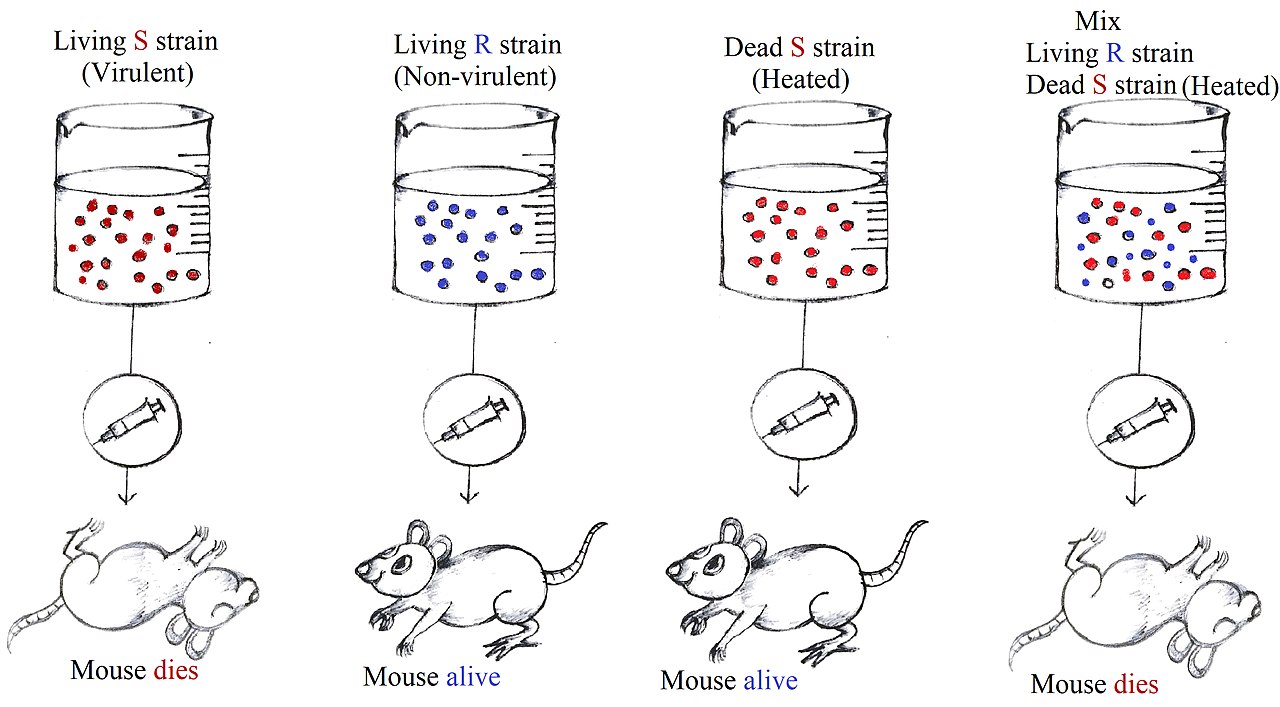






Core components and processes
Key subjects include the chemical and physical properties of DNA, RNA and proteins, and the pathways that connect them. Molecular biology describes how genetic information stored in DNA is transcribed into RNA and translated into proteins, and how these processes are controlled. It overlaps with cell biology, genetics, biochemistry and biophysics, each contributing methods and perspectives.
Common techniques
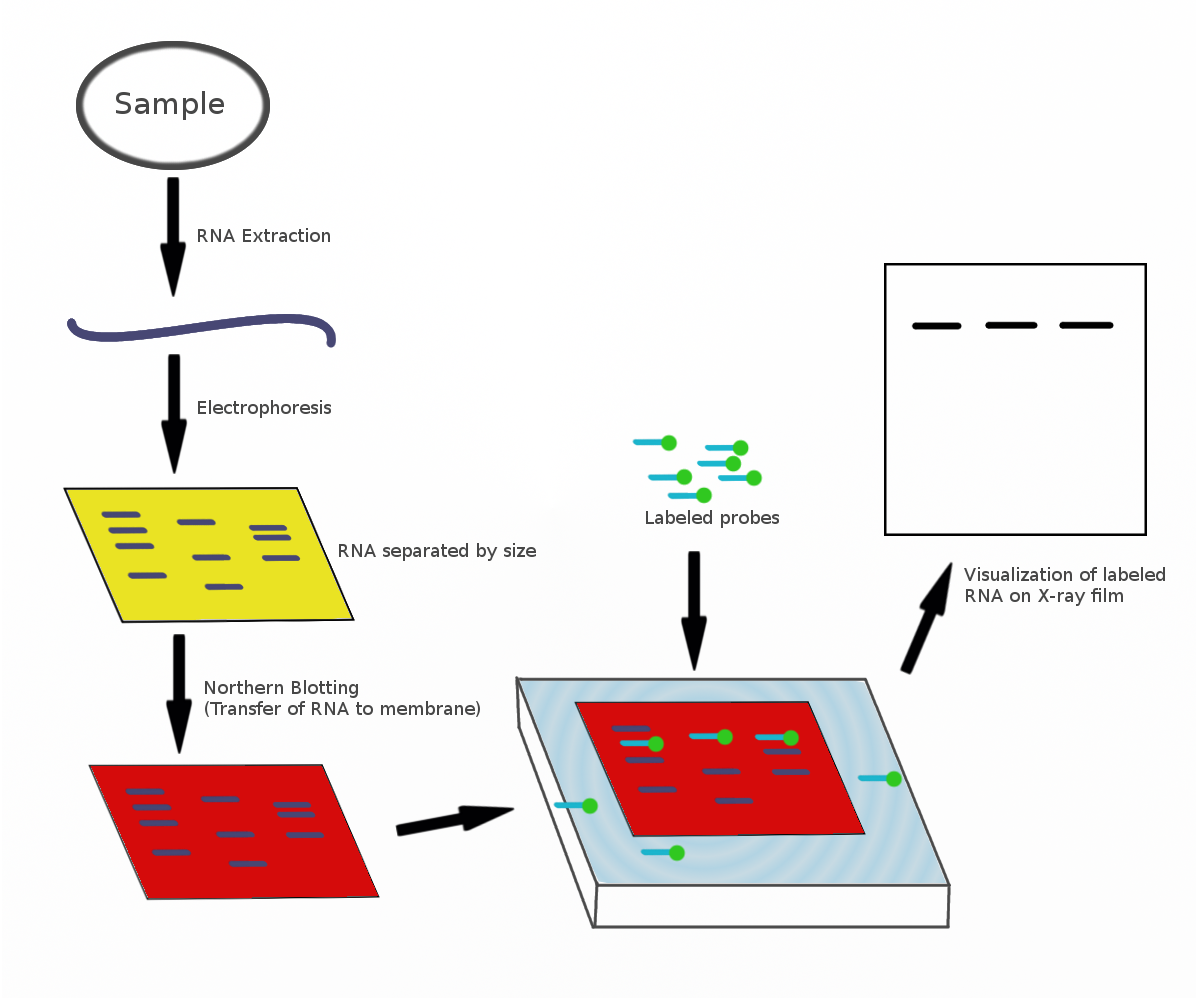
- DNA and RNA analysis (sequencing, amplification).
- Protein characterization (electrophoresis, mass spectrometry).
- Imaging and molecular localization within a cell.
- Genetic manipulation and functional assays to test hypotheses.
History and development
The field emerged when molecular concepts of heredity and biomolecular structure converged with new laboratory methods. Discoveries about the structure of nucleic acids and the genetic code established a framework that expanded with advances in instrumentation and computational analysis. Progress in one area, such as sequencing, often accelerates work across many others.
Applications and importance
Molecular biology underpins modern biotechnology, diagnostics and therapeutics. It enables development of vaccines, genetic tests and targeted drugs, and informs agriculture and environmental science. Laboratory research translates into clinical and industrial practices through interdisciplinary collaboration.
Distinctive features and related fields
Unlike broader organismal biology, molecular biology centers on molecular mechanisms and interactions. It is inherently integrative: practitioners draw on chemical principles, physical models and cellular context. The discipline continually evolves as new tools refine our ability to observe and manipulate life’s molecular machinery.
Protein synthesis remains a focal example of how sequence information is converted into functional molecules. For further reading, consult specialized reviews and resources linked to foundational topics: biology, molecular concepts, methodology overviews and interdisciplinary perspectives (chemistry, cell biology, genetics, biophysics, biochemistry, cell context, DNA, RNA, proteins).
Questions and answers
Q: What is molecular biology?
A: Molecular biology is the study of biology at a molecular level, which focuses on the interactions between the various systems of a cell.
Q: What are the areas of biology and chemistry that molecular biology overlaps with?
A: Molecular biology overlaps with cell biology, genetics, biophysics, and biochemistry.
Q: What does molecular biology try to explain?
A: Molecular biology tries to explain the interactions between the various systems of a cell.
Q: What is the relationship that molecular biology studies?
A: Molecular biology studies the relationship between DNA, RNA, and how proteins are made.
Q: What are the components that molecular biology investigates?
A: Molecular biology investigates DNA, RNA, proteins, and how they interact in the cell's systems.
Q: How is the study of molecular biology regulated?
A: Molecular biology investigates how interactions between DNA, RNA, and proteins are regulated.
Q: What is the goal of molecular biology?
A: The goal of molecular biology is to understand the structure and function of biological molecules such as DNA, RNA, and proteins and how they give rise to the diverse range of living systems.
Related articles
Author
AlegsaOnline.com Molecular biology: study of life’s processes at the molecular scale Leandro Alegsa
URL: https://en.alegsaonline.com/art/65854