
Concert of Europe
The post‑Napoleonic diplomatic framework in which the great powers cooperated to preserve a balance of power, manage territorial settlements and contain revolutionary change across Europe (c.1815–1914).
The Concert of Europe was a nineteenth‑century system in which a handful of dominant states coordinated diplomacy to maintain a stable international order. Formed in the aftermath of the Napoleonic Wars, it sought to prevent large‑scale war and to manage disputes through consultation rather than general conflict. The framework rested on an understanding among a core group of powers that collective agreement and occasional intervention could preserve the European status quo and the balance of power across Europe.
Image gallery
10 Images




Origins and guiding principles
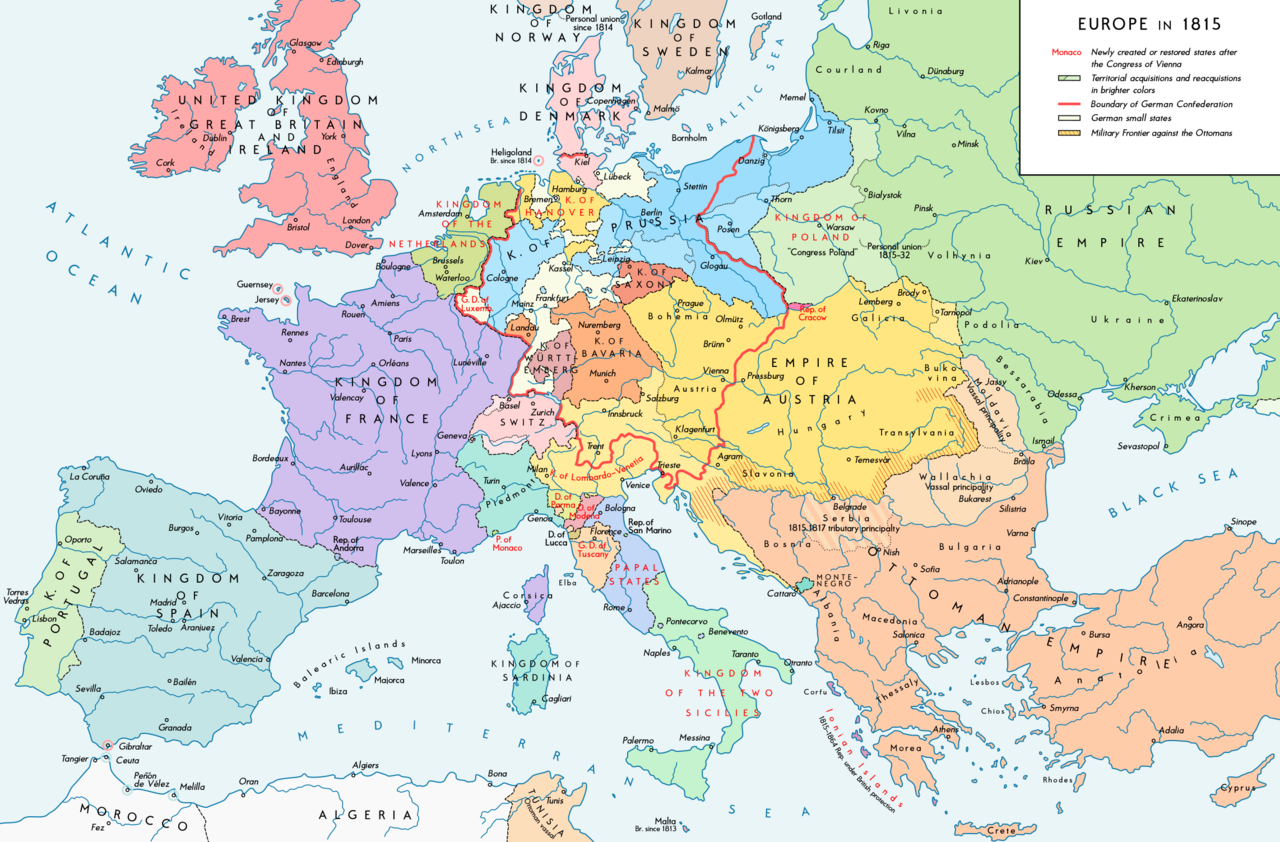
The Concert emerged from the negotiations at the Congress of Vienna (1814–1815) and the treaties that followed. Initially established by a coalition of leading monarchies, it emphasized the restoration of legitimate rulers, the prevention of revolutionary upheaval, and cooperative management of territorial adjustments. This informal arrangement relied on a series of consultations and alliances rather than on a single supranational institution; it is often described as a diplomatic group of countries exercising collective responsibility through negotiated settlements and mutual guarantees of order, including concerted alliances when necessary.
Principal members
Membership shifted with political realities, but the principal states involved were the major continental powers and Britain. Key participants included:
- United Kingdom
- Austria
- Russia
- France (readmitted after 1815)
- Prussia (later part of the German state system)
- Germany and Italy appear in the later nineteenth century as new national states altered the balance)
How it worked in practice
The Concert was largely a diplomatic method: regular congresses and ad hoc meetings where ministers and ambassadors negotiated solutions to crises. It combined conservative aims—protecting established regimes and suppressing revolutionary movements—with a pragmatic recognition that the great powers could benefit from cooperation. Interventions, arbitration and negotiated exchanges of territory were preferred to open war, and the system functioned best when interests aligned. Over time, however, competing ambitions, colonial expansion and nationalist movements strained the capacity of the Concert to deliver unanimity.
Decline, revival and legacy
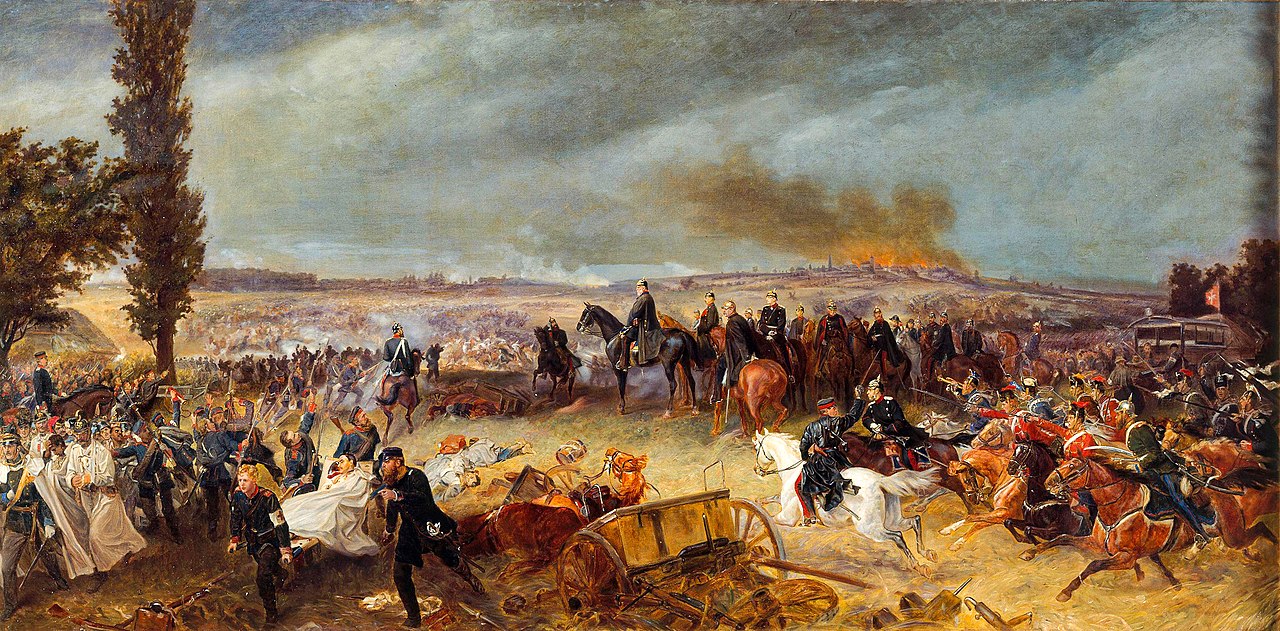
The Concert began to weaken amid the upheavals of the 1848 revolutions and conflicts that exposed rivalries between members. Mid‑century wars and crises interrupted the pattern of collective management, though later nineteenth‑century statesmanship—notably the diplomacy associated with Otto von Bismarck—sought to recreate aspects of cooperative influence after German and Italian unification. Ultimately the system could not prevent the breakdown of relations leading to the great rupture of the twentieth century; the onset of World War I is generally seen as the point at which the Concert ceased to operate.
Historians view the Concert of Europe as an early example of multilateral crisis management: imperfect and conservative in purpose, yet influential in shaping modern diplomatic practice. Its emphasis on consultation, balance of power and negotiated settlement left a legacy felt in later international institutions, even if the specific arrangements of the nineteenth century did not survive the pressures of nationalism, empire and industrialized warfare.
Questions and answers
Q: What was the Concert of Europe?
A: The Concert of Europe was a group of countries in Europe who worked together and agreed on policies to maintain a steady balance of power which included alliances between the great powers in 1814 and 1914.
Q: Which countries were members of the Concert of Europe?
A: The member countries were the United Kingdom, Austria, Russia, France (from 1815), Prussia (Germany from 1871) and Italy (from 1871).
Q: When did France join the Concert of Europe?
A: France joined the Concert of Europe after Napoleon, ruler of France, was no longer in power.
Q: When did the importance of the Concert of Europe diminish?
A: The importance of the Concert of Europe diminished with the revolutions of 1848 and subsequent wars between the big powers.
Q: Who re-established the Concert of Europe?
A: Otto von Bismarck re-established the Concert of Europe after the unifications of Germany and Italy.
Q: When did the Concert of Europe definitively collapse?
A: The Concert of Europe definitively collapsed with World War I.
Q: What was the purpose of the Concert of Europe?
A: The purpose of the Concert of Europe was to maintain a balance of power between the great powers in Europe.
Related articles
Author
AlegsaOnline.com Concert of Europe Leandro Alegsa
URL: https://en.alegsaonline.com/art/22385