
Condor Legion: German volunteer force in the Spanish Civil War
The Condor Legion was a unit of German volunteers from the Luftwaffe and army who supported Nationalist Spain (1936–1939), testing tactics and equipment and leaving a controversial legacy.
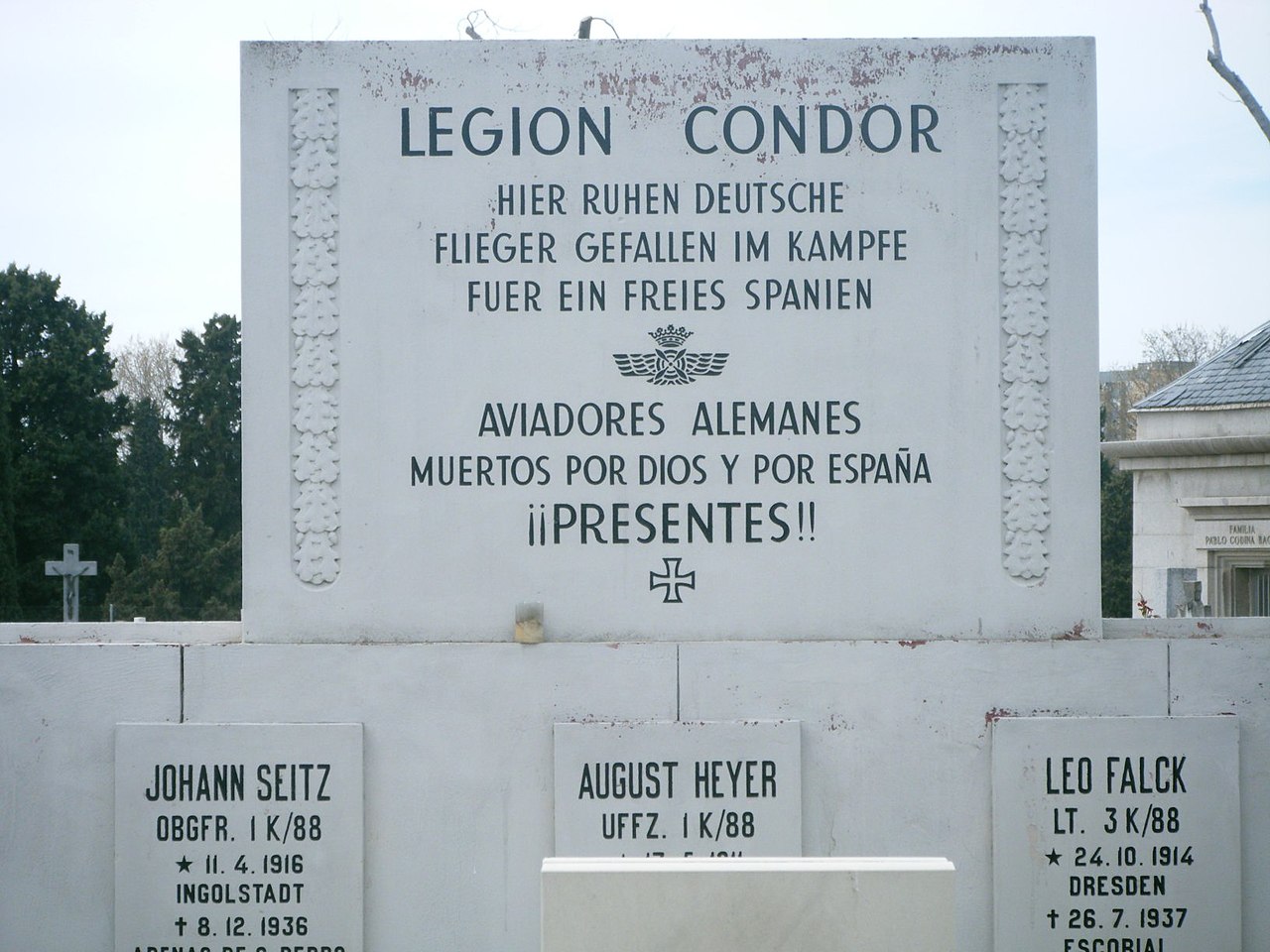
The Condor Legion was a contingent of German volunteers deployed to Spain during the Spanish Civil War (1936–1939) to support the Nationalist forces. Sent by the German government and drawn largely from the Luftwaffe and supporting ground formations, the unit combined aircraft, anti‑aircraft batteries, armored detachments and technical crews. Its presence served both immediate military aims in Spain and a longer‑term purpose as an operational proving ground for tactics and matériel.
Image gallery
10 Images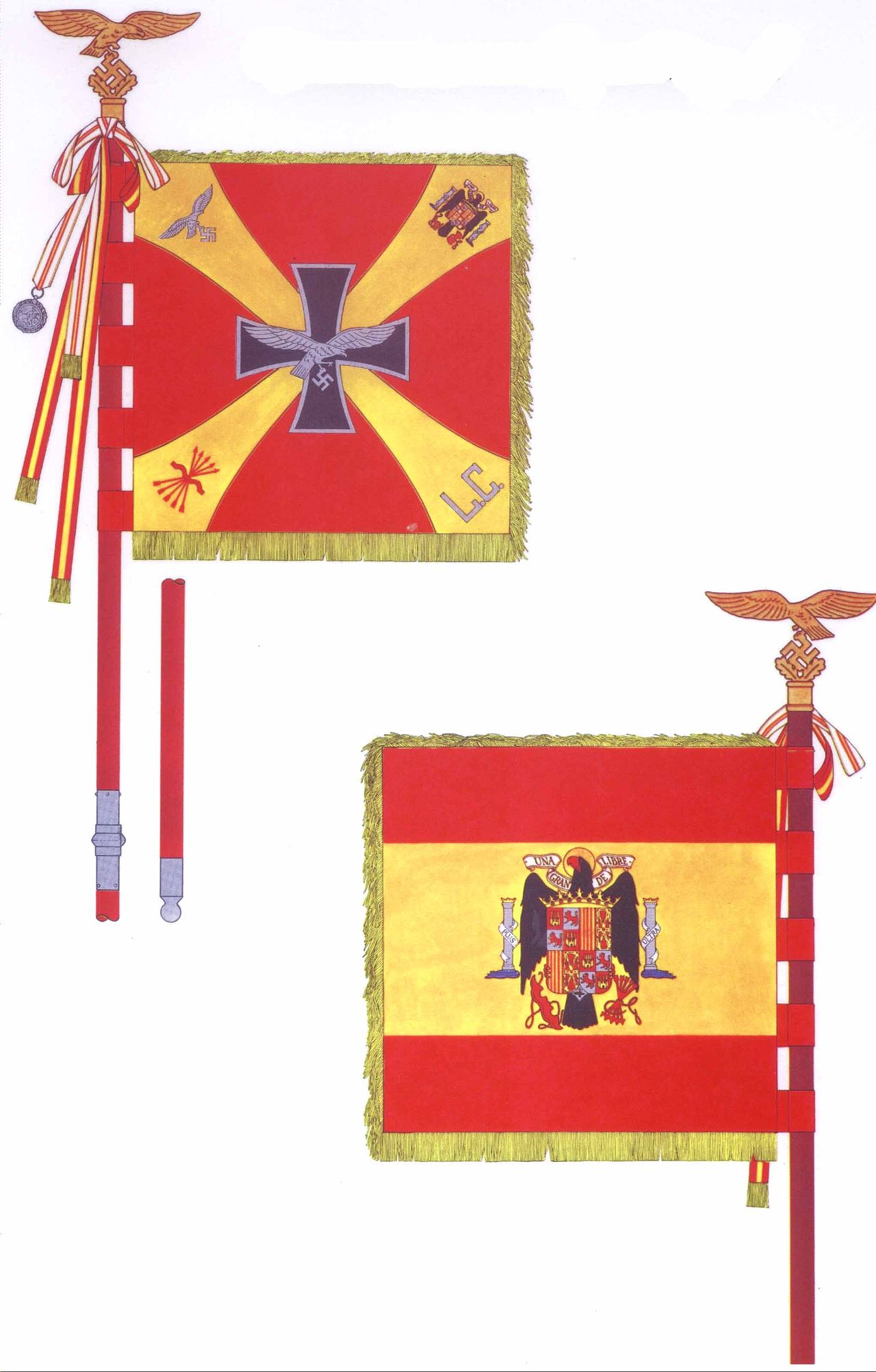





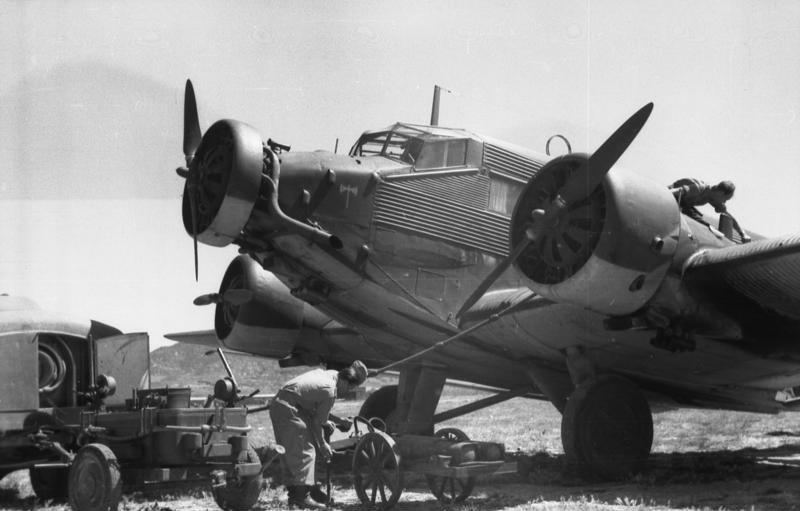
Organization and equipment
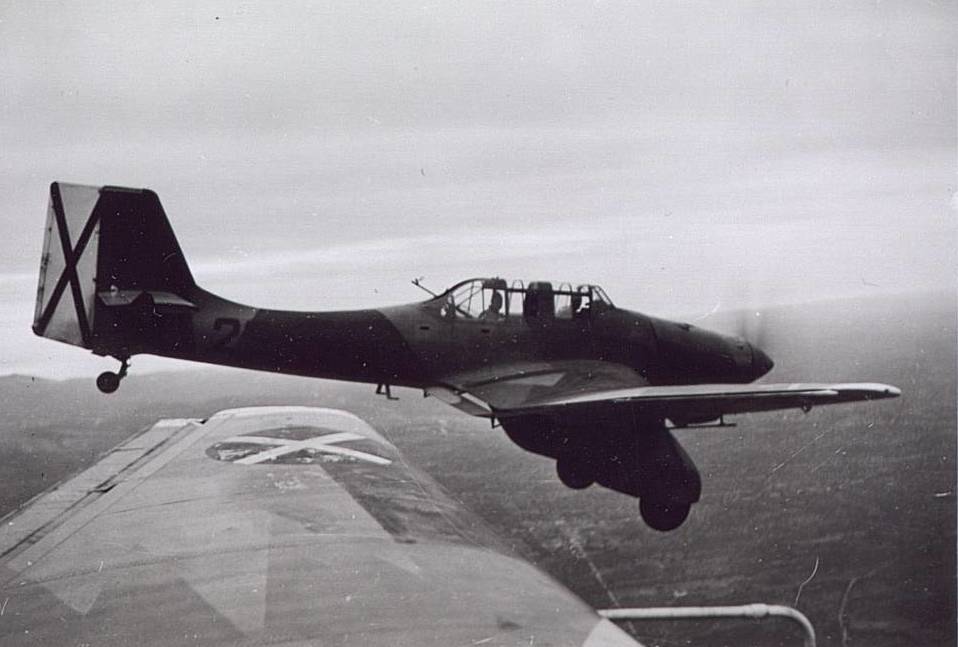
The Condor Legion was organized into air and non‑air components. Aircraft units performed bombing, fighter escort, reconnaissance and close air support roles; non‑air elements included anti‑aircraft batteries, signals, maintenance and armored sections. Hugo Sperrle commanded the aviation component while Wilhelm Ritter von Thoma led the non‑air formations. Commonly reported aircraft types included early models of German bombers and fighters that were under evaluation by Luftwaffe planners, and transport and reconnaissance types used for logistics and observation.
- Air units: bombers, fighters, reconnaissance and dive‑bombers used for tactical and strategic missions.
- Ground elements: anti‑aircraft guns, armoured cars or tanks in limited numbers, and technical support teams.
- Command: air leadership under Sperrle and ground command under von Thoma.
The German contribution was officially presented as volunteers, and many participants wore German gear while operating in Spanish uniforms or marked units. The deployment allowed German crews to experiment with combined‑arms tactics, aerial bombing techniques and radio coordination under combat conditions, informing later doctrine.
History and significance
Deployed in the mid‑1930s, the Condor Legion took part in key campaigns across Spain and remained until the end of the Civil War in 1939. Its operations included large bombing raids and close support missions that demonstrated the potential and the limits of air power in modern conflict. The Legion's actions and the technologies tested there influenced the organization and tactics of Germany's armed forces in the years leading to World War II.
Legacy and controversies
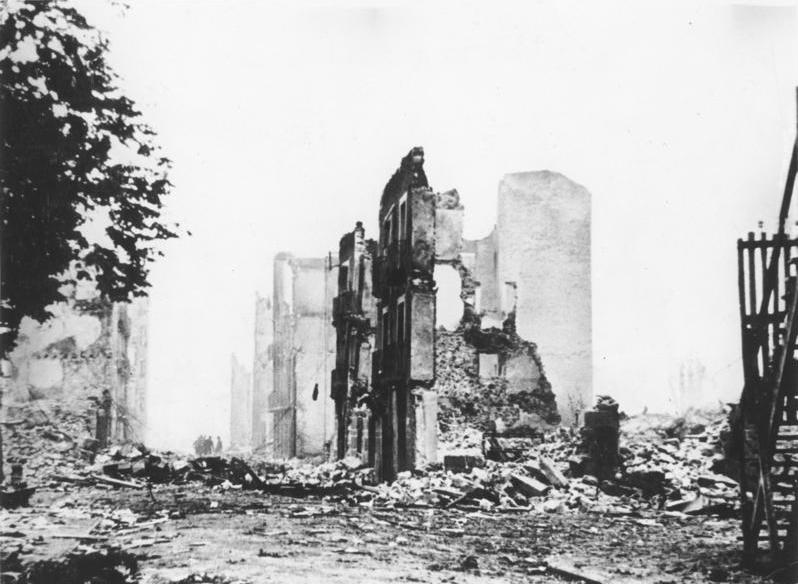
The Condor Legion's legacy is complex. Militarily, it provided experience that helped shape later German air doctrine. Politically and morally, several of its operations—most notably intensive bombing campaigns that affected civilian populations—have been the subject of sustained historical examination and criticism. The unit remains a focal point for studies of aerial warfare, foreign intervention, and accountability. For summaries and further reading in German and aviation contexts, see Legion Condor and Luftwaffe.
Today, historians analyze the Condor Legion both as a case study in interwar military innovation and as an example of how foreign intervention can shape civil conflicts and their aftermath. Its record continues to inform debates on military ethics, the development of air power, and the responsibilities of states that provide aid and personnel to external conflicts.
Related articles
Author
AlegsaOnline.com Condor Legion: German volunteer force in the Spanish Civil War Leandro Alegsa
URL: https://en.alegsaonline.com/art/22444