
C4 (Composite Compound 4): a plastic military explosive
C4 is a stable, moldable plastic explosive based on RDX. Widely used in military and demolition work, it requires a detonator to function and is formulated for safe handling and detectability.
Overview
Composite Compound 4, commonly called C4, is a plastic high explosive known for its malleability and relative stability during handling. It is widely employed in military operations, controlled demolitions and engineering tasks where a compact, shapeable explosive charge is needed. Unlike low explosives that deflagrate, C4 is a high explosive intended to detonate under the correct initiation conditions, producing a powerful, short-duration shock wave.

Image gallery
8 Images



Composition and physical characteristics
C4 is primarily based on RDX (a synthetic high explosive compound) bound with plasticizers and binders that give it a putty-like consistency. This combination yields a material that can be molded by hand into shapes required for specific jobs and will retain that form until deliberately initiated. The material is designed to be insensitive to casual sources of ignition: simple heat, open flames or small impacts do not normally cause detonation. Because of these properties, ordinary handling, transport and storage are safer than with many older explosives.
- Malleability: the charge can be shaped to fit irregular surfaces (malleable).
- Insensitivity: resists detonation from static electricity or stray current (electrical), light fire or mechanical shock.
- High brisance: it delivers a rapid, high-pressure detonation suitable for cutting, breaching and demolition.
Initiation, packaging and accessories
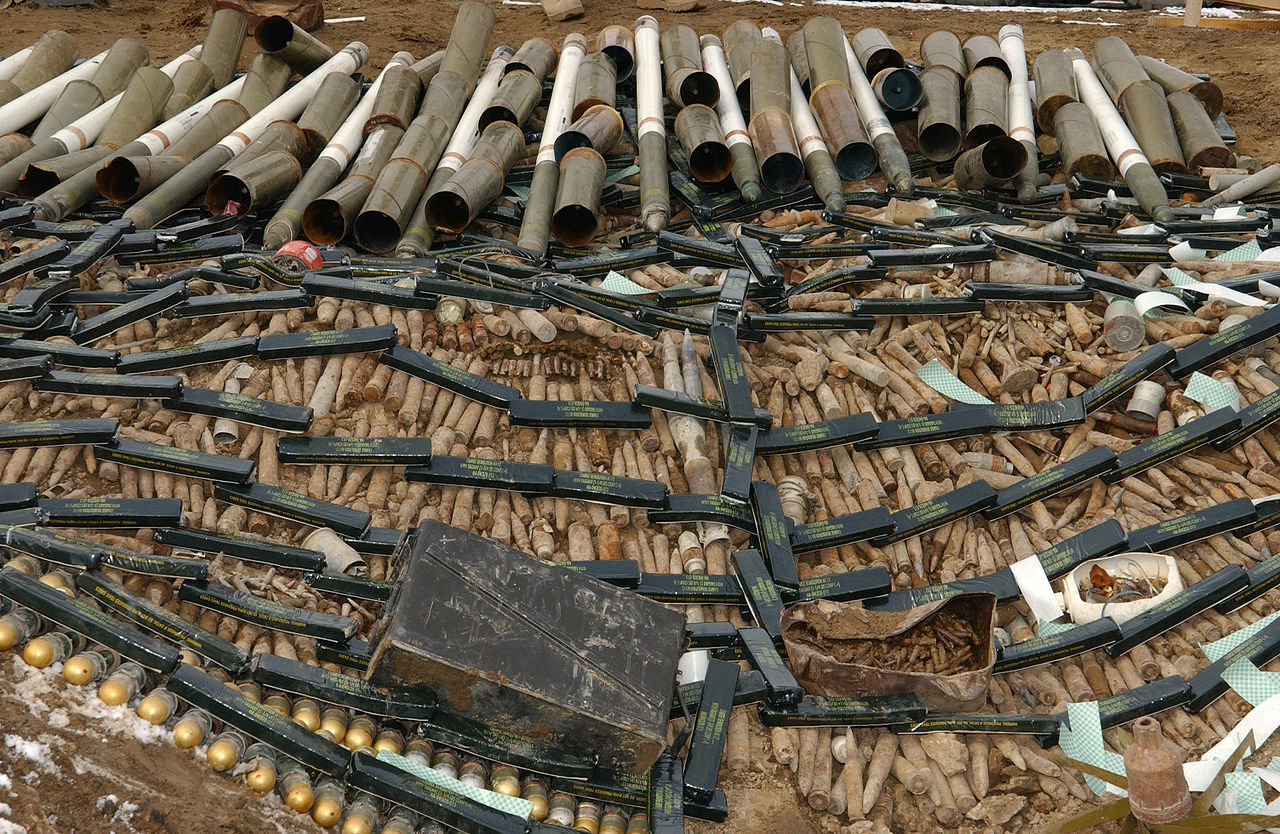
C4 will not detonate without a proper detonator or blasting cap; an electrical firing system or a pyrotechnic igniter that produces the necessary shock and heat is required. In service, C4 is often issued in preformed blocks or charges that are convenient to carry and place. One commonly seen configuration is the M112-style demolition charge—compact black bricks used by engineers to destroy ordnance or to perform structural demolitions. For example, explosive charges may be placed to destroy captured ammunition or render equipment unusable.

Typical uses and examples
C4 is versatile: military units use it for demolition of obstacles, destroying weapons or vehicles, and creating breach points in walls. Explosive ordnance disposal (EOD) teams use small C4 charges to neutralize unexploded munitions or to disrupt fuzing systems. In civilian contexts, licensed demolition professionals may employ plastic explosives for controlled implosions and other precision demolitions where shaped charges and compact form factors are advantageous.
Detection, additives and regulatory measures
Because plastic explosives can be molded into inconspicuous forms, manufacturers and regulators have long adopted additives to aid detection. Taggants and odorizing agents are incorporated so that vapor signatures or smells can be detected by instruments and by specially trained canine teams. Dogs trained for explosive detection are effective at locating trace vapors and residues (specially trained dogs), while metallic particles added to some charges make them responsive to metal detectors. Such additives include distinctive odor components (odor taggants) and small quantities of metallic powder or other markers; more generally, additives improve traceability and forensic identification.
History, safety and notable distinctions
Plastic explosives like C4 were developed during the 20th century to provide stable, easily handled charges for military and industrial use. Their formulation emphasized safety in storage and transport while maintaining the explosive performance needed for breaching and demolition. Compared with older formulations such as nitroglycerin-based dynamite, modern plastic explosives are less likely to detonate from accidental impacts or small fires, though they are just as energetic when properly initiated. Disposal and use are controlled by regulation in most countries; handling is restricted to trained personnel and licensed operators to minimize risks associated with misuse or improper storage. The ability to shape charges and the requirement for a detonator are key distinguishing features that set C4 apart from improvised and bulk low explosives.

Related articles
Author
AlegsaOnline.com C4 (Composite Compound 4): a plastic military explosive Leandro Alegsa
URL: https://en.alegsaonline.com/art/22263