
Kingdom of France: origins, institutions, and legacy
A concise, structured overview of the Kingdom of France: its origins, political development, institutions, major events, and long-term legacy from early medieval beginnings to the 19th century.
Overview
The term "Kingdom of France" refers to the succession of monarchic states centered on the territory of modern France, existing in varied forms from the early Middle Ages until the mid-19th century. Historians commonly mark several milestones in its formation: the rise of Frankish rulers like Clovis I, the division of the Carolingian Empire formalized by the Treaty of Verdun, and the dynastic establishment of the Capetian line beginning with the French royal title and the election of Hugues Capet in 987. Over centuries the kingdom evolved from a patchwork of feudal fiefs into a centralized state whose political and cultural influence shaped Europe.
Image gallery
10 Images


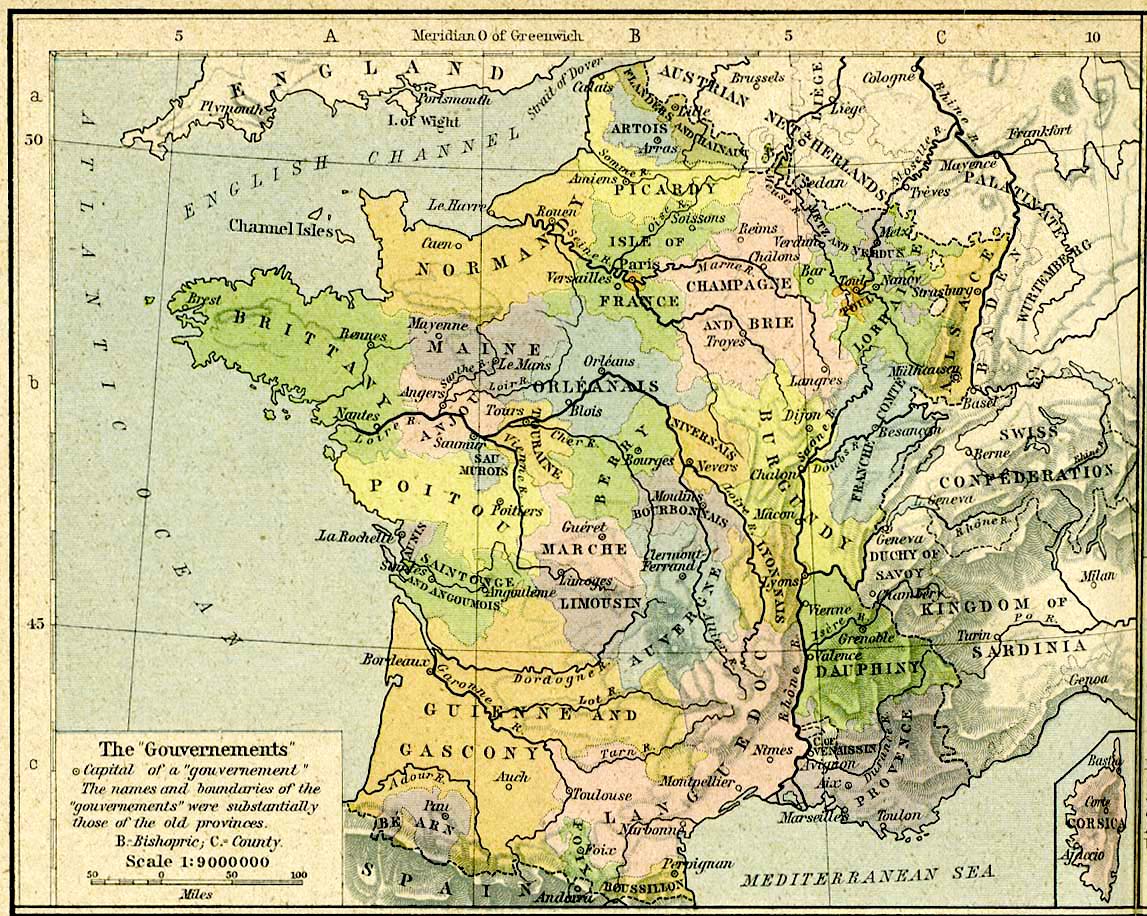
Origins and territorial development
The polity that became the Kingdom of France emerged out of the fragmentation of the Frankish realms after the end of Roman authority in western Europe. The baptism and Catholic conversion of early Frankish kings forged ties with the Catholic Church, a bond that underpinned royal legitimacy for centuries. Following the 9th-century divisions among Charlemagne’s heirs, rulers based in the region commonly called West Francia gradually asserted authority over increasingly large territories, absorbing or subordinating independent duchies and counties. Royal control expanded through marriage, inheritance, purchase and conquest until the medieval kings could claim a realm more recognizably contiguous with modern France.
Government, law and institutions
Royal power developed alongside a growing administrative and legal framework. Kings relied on a network of officials—counts, seneschals, bailiffs and later intendants—to apply royal justice, collect revenues and raise forces. Key institutional developments included:
- Coronation rituals (often at Reims) that reinforced the idea of sacred kingship and the doctrine of divine right;
- The evolution of royal courts and the parlement as centers for appeals and legal precedent;
- The creation of standing fiscal and military systems, particularly after prolonged conflicts such as the Hundred Years' War;
- Increasing use of written charters, ordinances and centralized record-keeping to administer the realm.
Cultural and economic importance
Aside from political consolidation, the kingdom was a major cultural and economic actor. Royal patronage fostered Gothic architecture, universities and legal scholarship. Agricultural improvements, trade in towns and the growth of Paris as a political and intellectual center contributed to economic dynamism. The monarchy’s relationship with nobility, clergy and emerging urban classes shaped social structures and cultural life across its domains.
Crises, reform and the end of the monarchy
The monarch’s tendency toward centralized, sometimes absolute, authority produced recurrent tensions. Wars of succession, regional uprisings and periods of weak rule exposed limits to royal power. Enlightenment ideas—emphasizing reason, civil liberties and the separation of powers—challenged traditional justifications for monarchy. Political and fiscal crises culminated in the upheavals of the French Revolution, which abolished the ancien régime in 1792. The monarchy was briefly restored in the early 19th century and again under different constitutional arrangements, but successive revolutions and changing political circumstances ended dynastic rule by the mid-1800s.
Legacy and historical significance
The Kingdom of France left enduring legacies: the territorial contours and legal traditions that underlie the modern French state, a rich cultural patrimony, and institutions that influenced other European polities. Its history is often used to study state formation, the interplay of religion and politics, and the transformation from feudal order to centralized nation-state. For further reading on specific aspects—early medieval foundations, Capetian reforms, military history, and the revolution—consult specialized texts and primary sources linked to this summary.
Related topics and milestones: France, the Middle Ages, developments in modern times, and the broader European religious and political context connected to the Church.
Questions and answers
Q: What are the three major events that started the Kingdom of France?
A: The three major events that started the Kingdom of France were the advent of Clovis I in 481, the Treaty of Verdun and the election of Hugues Capet in 987.
Q: How did Clovis I seal an alliance between Frankish Kingdoms and the Catholic Church?
A: Clovis I sealed an alliance between Frankish Kingdoms and the Catholic Church by crowning kings at Reims, which made them monarchs by divine right.
Q: What was Louis IX's main importance to his role as justiciary?
A: Louis IX attached great importance to his role as justiciary, which involved administering justice throughout the kingdom.
Q: How did Richelieu and Louis XIV strengthen royal authority in provinces?
A: Richelieu and Louis XIV strengthened royal authority in provinces by bringing local governors of nobility under their stewardship and delegating stewards appointed by king to them.
Q: What values were spread during philosophy of enlightenment?
A: Values spread during philosophy of enlightenment included government based on reason, separation of powers, individual liberties.
Q: How did French Revolution lead to establishment of a French constitutional monarchy?
A: The French Revolution led to establishment of a French constitutional monarchy through diffusion of values from philosophy enlightenment such as government based on reason, separation powers, individual liberties.
Q: Why have different formulas experienced failure in 1792, 1830 and 1848?
A: Different formulas experienced failure in 1792, 1830 and 1848 due to disputes over absolute power exercised by royalty which ended with end French monarchy.
Related articles
Author
AlegsaOnline.com Kingdom of France: origins, institutions, and legacy Leandro Alegsa
URL: https://en.alegsaonline.com/art/53592