
Almohad Caliphate — Berber reform movement and medieval West African–Iberian dynasty
The Almohads (al-Muwahhidun) were a 12th–13th century Berber Muslim reform movement and dynasty that unified large parts of North Africa and Muslim Iberia and left a lasting architectural and cultural legacy.
Overview
The Almohads (Arabic: al-Muwahhidun, "the monotheists") were a Berber-origin Muslim movement that became a ruling dynasty in the western Mediterranean during the 12th and 13th centuries. Emerging as a reformist response to what its leaders viewed as laxity and doctrinal error, the Almohads replaced the earlier Almoravid regime and established political control across much of North Africa and parts of Al-Andalus (Moorish Iberia), extending influence toward regions that now include modern Libya.
Image gallery
10 Images
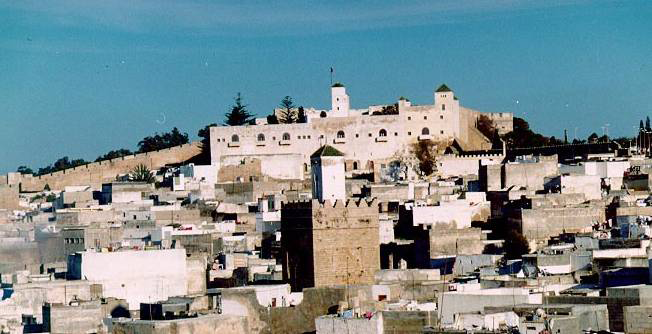


Origins and ideology
Founded in the early 12th century by the religious reformer Ibn Tumart, the movement stressed strict monotheism and a return to what its followers regarded as authentic Islamic doctrine. Its members identified as Berbers and organized around a charismatic leader who combined theological authority with military command. Under Ibn Tumart and his successor Abd al-Mu'min, the movement evolved into an imperial polity that sought to centralize authority and standardize religious practice.
Expansion, administration and society
The Almohads built a centralized administration based in Marrakech and other key cities. Their armies campaigned across the Maghreb and into the Iberian Peninsula, holding major cities and reconfiguring political alliances. Governance emphasized strong caliphal authority, military organization, and efforts to integrate tribal groups and urban elites. Social life under the Almohads combined Berber and Arabic elements and fostered intellectual exchange between North Africa and Iberia.
Culture, art and architecture
The dynasty is remembered for distinctive architecture and urban projects. Almohad patronage produced large mosques, minarets and civic buildings noted for austere monumental forms, horseshoe arches, and patterned stonework. Surviving examples and legacies include minarets and mosque complexes that influenced later Maghrebi and Andalusi styles. Scholars, jurists and philosophers were active in Almohad courts, contributing to religious and scientific debates of the period.
Decline and legacy
After reaching a peak in the late 12th century under rulers such as Abu Yaqub Yusuf and Yaqub al-Mansur, the Almohad state weakened following military setbacks—most consequentially the defeat at the Battle of Las Navas de Tolosa in Iberia—and internal strains. By the 13th century their authority fragmented; successor dynasties established new regional regimes. Nevertheless, Almohad reforms, architectural forms and administrative practices shaped North African and Iberian history for centuries.
Notable facts
- Founder and reformer: Ibn Tumart; principal early organizer and statesman: Abd al-Mu'min.
- Major cultural centers: Marrakech and other urban centers in the Maghreb and Iberia.
- Architectural legacy: monumental mosques and minarets that influenced later Maghrebi-Andalusian art.
Questions and answers
Q: What does the term Almohad mean?
A: The term Almohad means "the monotheists" or "the Unitarians" in Arabic.
Q: When was the Almohad Dynasty founded?
A: The Almohad Dynasty was founded in the 12th century.
Q: What was the religion of the Almohad Dynasty?
A: The Almohad Dynasty was a Muslim dynasty.
Q: What territory did the Almohad Dynasty conquer?
A: The Almohad Dynasty conquered all of northern Africa, as far as Libya, together with Al-Andalus (Moorish Iberia).
Q: What is the significance of the Almohad Dynasty?
A: The Almohad Dynasty was significant for conquering a large territory and spreading Muslim rule.
Q: Who were the founders of the Almohad Dynasty?
A: The founders of the Almohad Dynasty were Berbers.
Q: Was the Almohad Dynasty successful in their conquest of northern Africa and Al-Andalus?
A: Yes, the Almohad Dynasty was successful in their conquest of northern Africa, as far as Libya, together with Al-Andalus (Moorish Iberia).
Related articles
Author
AlegsaOnline.com Almohad Caliphate — Berber reform movement and medieval West African–Iberian dynasty Leandro Alegsa
URL: https://en.alegsaonline.com/art/2907
Sources
- qantara-med.org : "Qantara"
- books.google.com : books.google.com/books?id=RP-bn29KCB8C&pg=PA213
- jstor.org : "Expansion and Contraction Patterns of Large Polities: Context for Russia"