
Albertosaurus: a slender tyrannosaur of Late Cretaceous North America
Albertosaurus was a medium‑sized tyrannosaurine theropod from Late Cretaceous North America, known for a lighter, faster build than T. rex and for a bonebed with multiple individuals.
Albertosaurus was a genus of carnivorous theropod dinosaurs that lived in western North America during the Late Cretaceous. It belonged to the tyrannosaur family and is often compared with the larger, later Tyrannosaurus. Albertosaurus combined a large skull, blade-like serrated teeth and two-fingered forelimbs with a relatively gracile, lightly built body and long lower legs. Fossils of this animal have been important for reconstructing tyrannosaur evolution and behaviour.
Image gallery
10 Images


Physical characteristics
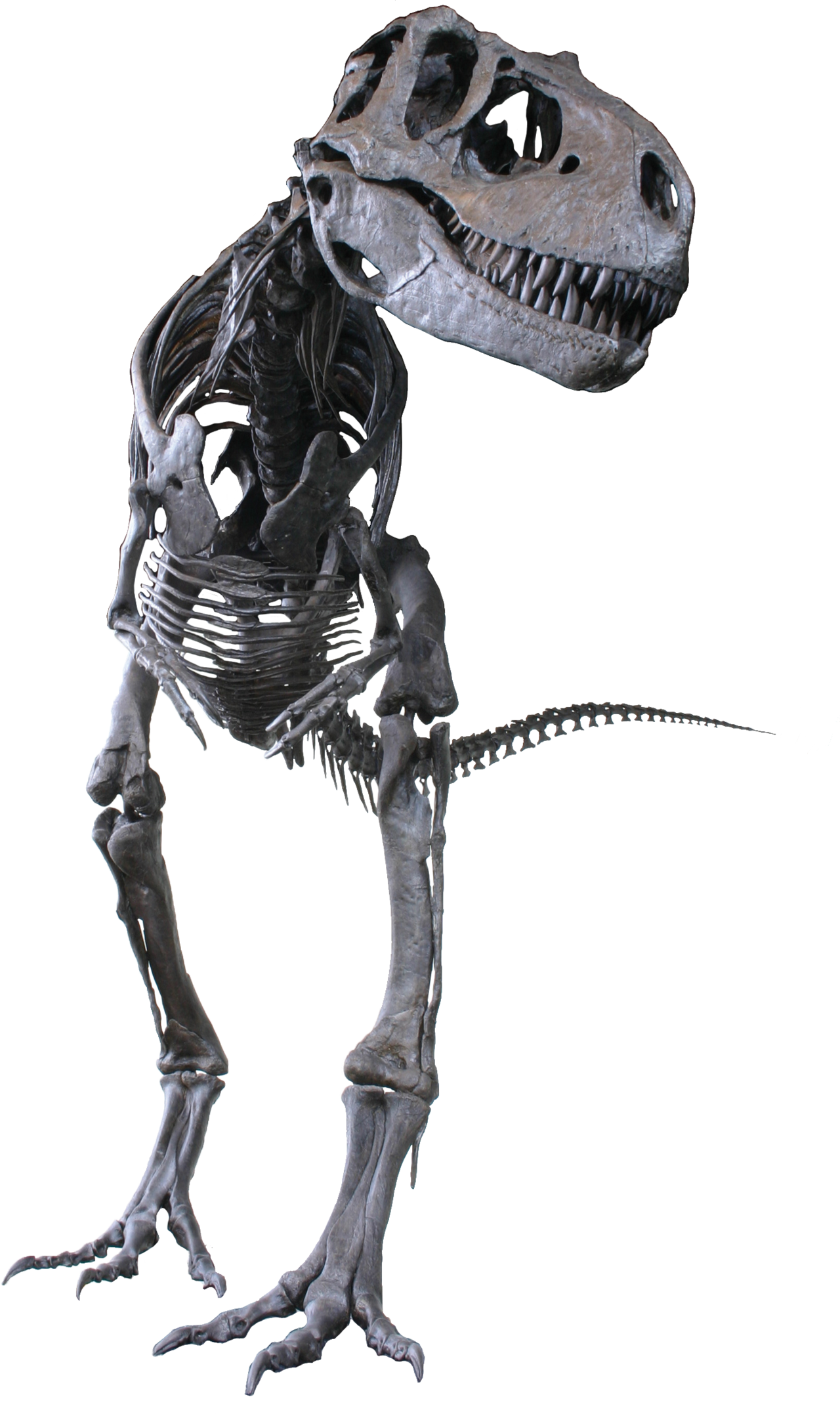
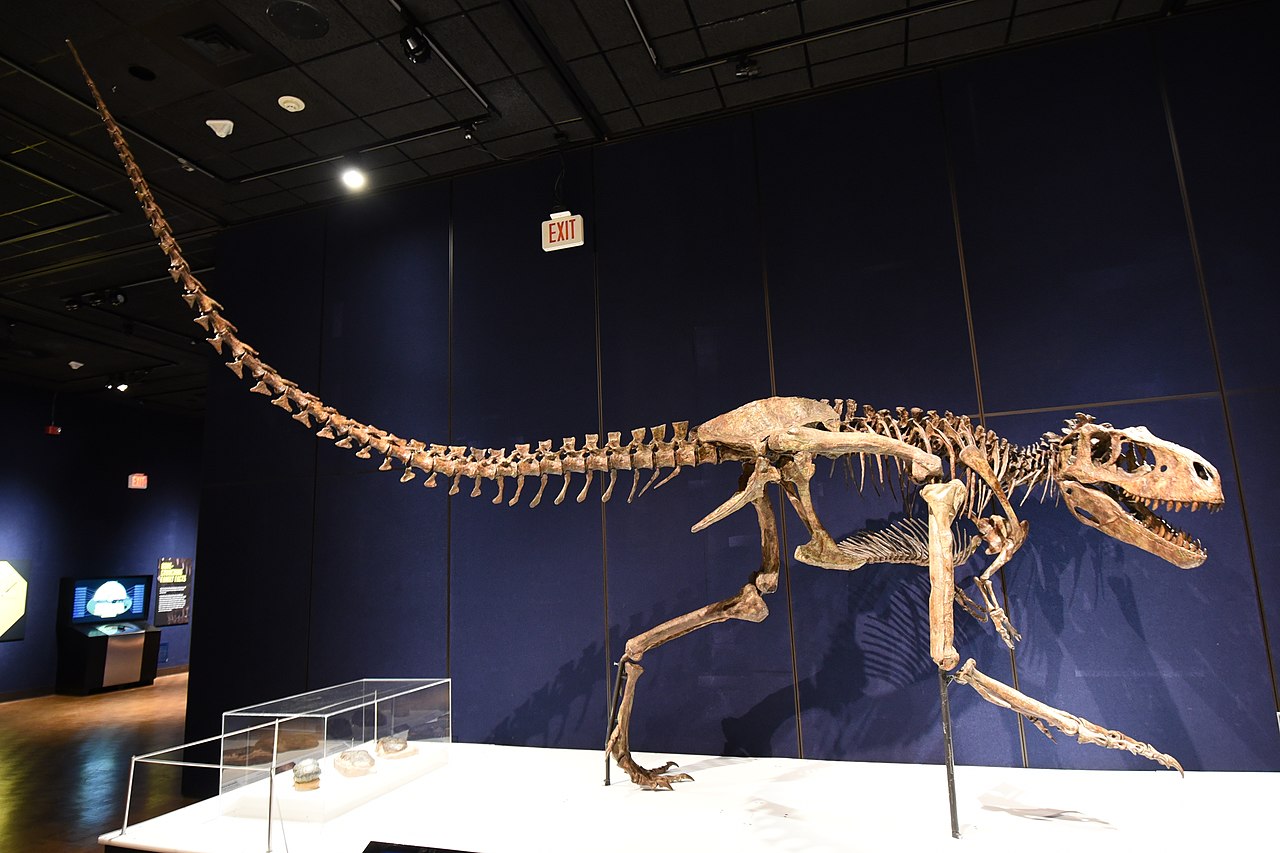
Albertosaurus was substantially smaller and more lightly built than the robust tyrannosaurines. Adult estimates place its length at about 9 metres (roughly 30 feet), a hip height near 3 to 3.5 metres, and a mass up to a few tonnes. Its skull carried a single row of large, saw‑toothed teeth: the upper jaws typically held 17–19 teeth while the lower jaws had about 14–16. Like other large theropods, Albertosaurus replaced teeth continuously, with replacement teeth forming beneath active ones.
Key anatomical features included two-fingered hands on short but muscular arms, a long counterbalancing tail, and powerful hindlimbs ending in three‑toed feet with clawed digits. Compared with heavier relatives such as Tarbosaurus and Tyrannosaurus, albertosaurines had proportionately longer tibiae and elongated foot bones, a trait associated with greater cursorial ability.
Discovery and palaeobiology
The genus was named for the Canadian province where the first fossils were found. A notable concentration of remains—a bonebed preserving multiple individuals—has provided a rare window into growth, variation and possibly social behaviour in a large theropod. The presence of several animals together has been interpreted as evidence for some degree of gregariousness or at least shared mortality at a single site, though alternative explanations such as coincident accumulation cannot be excluded.
Albertosaurus lived several million years before the appearance of Tyrannosaurus and inhabited floodplain and coastal plain environments where it would have hunted abundant herbivorous dinosaurs. Its lighter frame and longer lower legs—reflected in bones such as the tibia and the foot elements—suggest it may have pursued smaller or younger prey than the largest tyrannosaurids.
Distinctions and significance
- Taxonomic position: Albertosaurus is classified among the albertosaurines, a subgroup of tyrannosaurids characterized by more gracile proportions.
- Functional morphology: relatively long lower limbs and feet (including metatarsals and phalanges) indicate greater running ability than some bulkier relatives; see discussion of limb proportions and stride mechanics.
- Growth and life history: bonebed material and isolated specimens have allowed study of growth stages, tooth replacement, and age structure.
Understanding Albertosaurus helps paleontologists track how tyrannosaurids diversified into different body plans and ecological roles. While it shared many classic tyrannosaur features—powerful bite, reduced forelimbs, and predatory adaptations—its lighter build highlights the variety of hunting strategies and body designs that evolved within this famous family of predators.
For more on specific bones or comparative anatomy, consult resources on the lower jaw and dental anatomy (lower jaw) and studies of foot bones such as metatarsals and phalanges (metatarsals and phalanges). Additional general overviews and specimen reports are available through museum and academic summaries about tyrannosaurids and regional fossil records.
Related articles
Author
AlegsaOnline.com Albertosaurus: a slender tyrannosaur of Late Cretaceous North America Leandro Alegsa
URL: https://en.alegsaonline.com/art/2139