
Alberto Vargas: Peruvian-born pin-up painter and illustrator
Alberto Vargas (1896–1982) was a Peruvian-born painter famed for elegant pin-up art, Hollywood poster work, Esquire's 'Varga Girls', and later illustrations that appeared in publications such as Playboy.
Overview
Joaquin Alberto Vargas y Chávez (9 February 1896 – 30 December 1982), professionally known as Alberto Vargas, was a Peruvian-born painter and illustrator best known for his glamorous pin-up paintings. His stylized images of women, popularly called "Vargas Girls," became icons of mid‑20th century popular culture and were widely reproduced in calendars, posters and magazines. Vargas's career spanned several decades and multiple publications, and his work influenced both commercial illustration and popular notions of glamour.
Image gallery
3 Images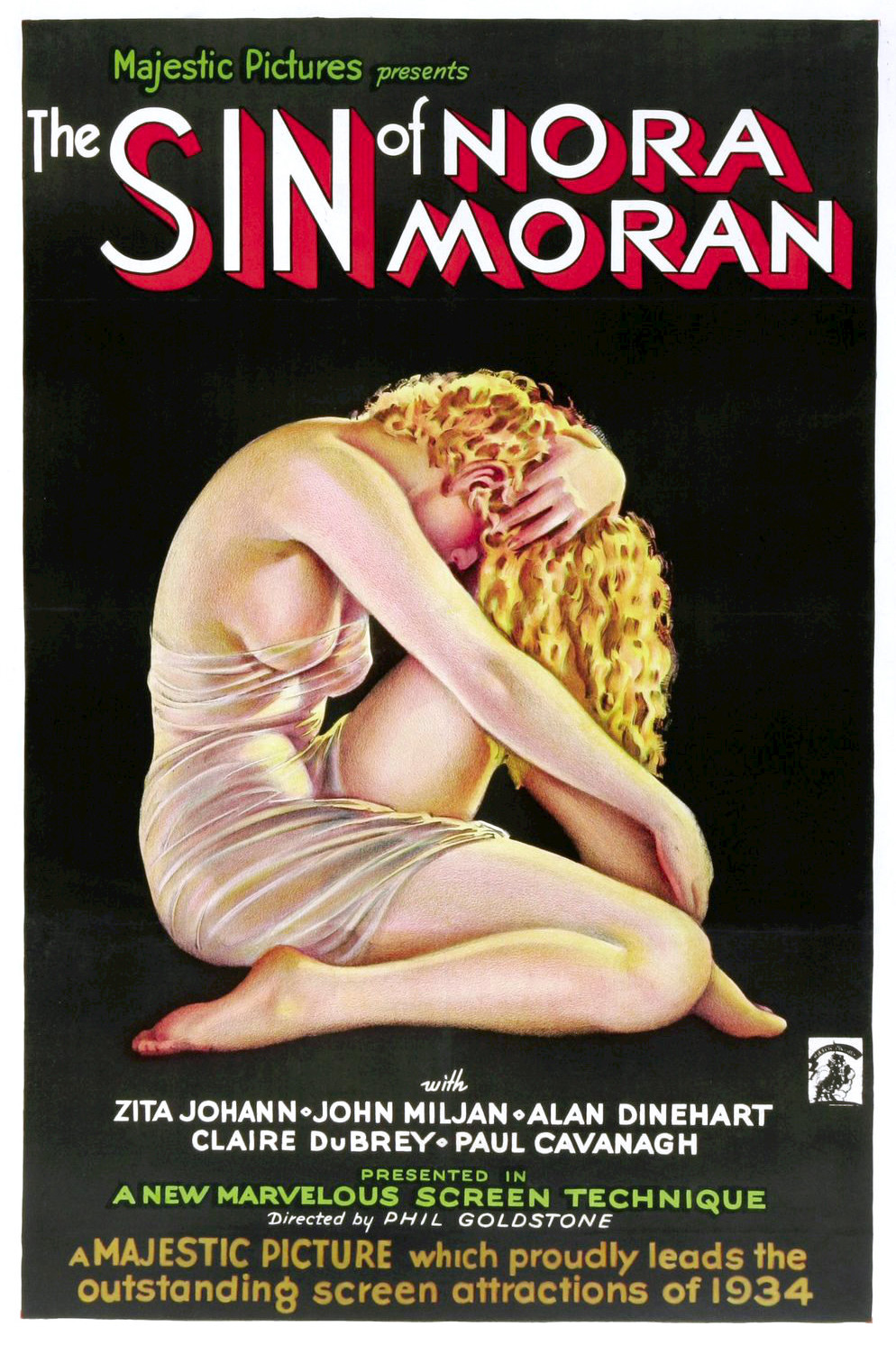


Early life and career
Vargas was born in Peru and later pursued an international career as a commercial artist. He worked in the United States, contributing artwork for theatrical and film advertising in the 1930s that helped to associate his name with Hollywood glamour. These assignments broadened his audience and led to steady commissions in magazine illustration and calendar art (movie posters).
Style and technique
Vargas's technique is noted for its refined line, delicate color, and smooth gradations of tone. He commonly used airbrush alongside watercolor and gouache on paper to achieve soft skin textures and subtle highlights, often combined with precise pencil or ink outlines. His figures are frequently idealized and elongated to emphasize grace and elegance rather than strict anatomical realism. This painterly approach set his work apart from more graphic or cartoon styles of the same era.
Esquire, "Varga Girls" and later publications
In the 1940s and 1950s Vargas produced a celebrated series of pin-ups for Esquire magazine that became known as the "Varga Girls." These images were popular with servicemen and civilians alike and appeared in numerous reprints and calendars. Contractual and crediting arrangements around this time led to disputes over reproduction rights and the commercial use of his name; such matters affected how his work was signed and reissued. In later decades Vargas returned to magazine illustration and produced new commissions for other publications, including work published in adult magazines (Playboy).
Legacy and cultural impact
Vargas helped shape the visual language of the modern pin-up, and his images were widely used in wartime morale campaigns, nose art, and popular ephemera. His aesthetic—combining glamour, technical control and a soft painterly finish—remains influential among illustrators and collectors. One of his pin-up figures appears among the collage of personalities on the Beatles' Sgt. Pepper's Lonely Hearts Club Band album cover, included in the dense group of cut‑out images (Sgt. Pepper).
Collections and recognition
Vargas's work appears in private collections and has been the subject of retrospectives and catalogues that examine 20th‑century illustration and popular art. Scholars and enthusiasts study his career as an example of how commercial artists negotiated changing markets, reproduction technologies, and authorship during a long professional life.
Notable facts
- His images popularized a particular ideal of mid‑century glamour and remain widely reproduced.
- He combined airbrush and hand drawing to achieve soft, luminous effects.
- Legal and contractual disputes during his career influenced the use and attribution of his work.
For further biographical context and images related to his origins and early years see resources on his Peruvian background (Peru) and commercial art career. Many books and exhibitions discuss his influence on illustration and popular visual culture through the 20th century.
Related articles
Author
AlegsaOnline.com Alberto Vargas: Peruvian-born pin-up painter and illustrator Leandro Alegsa
URL: https://en.alegsaonline.com/art/2137