
Sgt. Pepper's Lonely Hearts Club Band
A landmark 1967 studio album by the Beatles that reshaped popular music through studio innovation, a loose concept, iconic cover art and enduring cultural influence.
Overview
Sgt. Pepper's Lonely Hearts Club Band is a studio album by the English rock band The Beatles. Released in mid‑1967, it marked a clear shift from the group's earlier live performances toward ambitious studio work. Presented around the conceit of an alter‑ego ensemble, the record is often described as one of the first rock albums to be treated as a unified artistic statement rather than a collection of singles.
Image gallery
10 Images




Recording and production
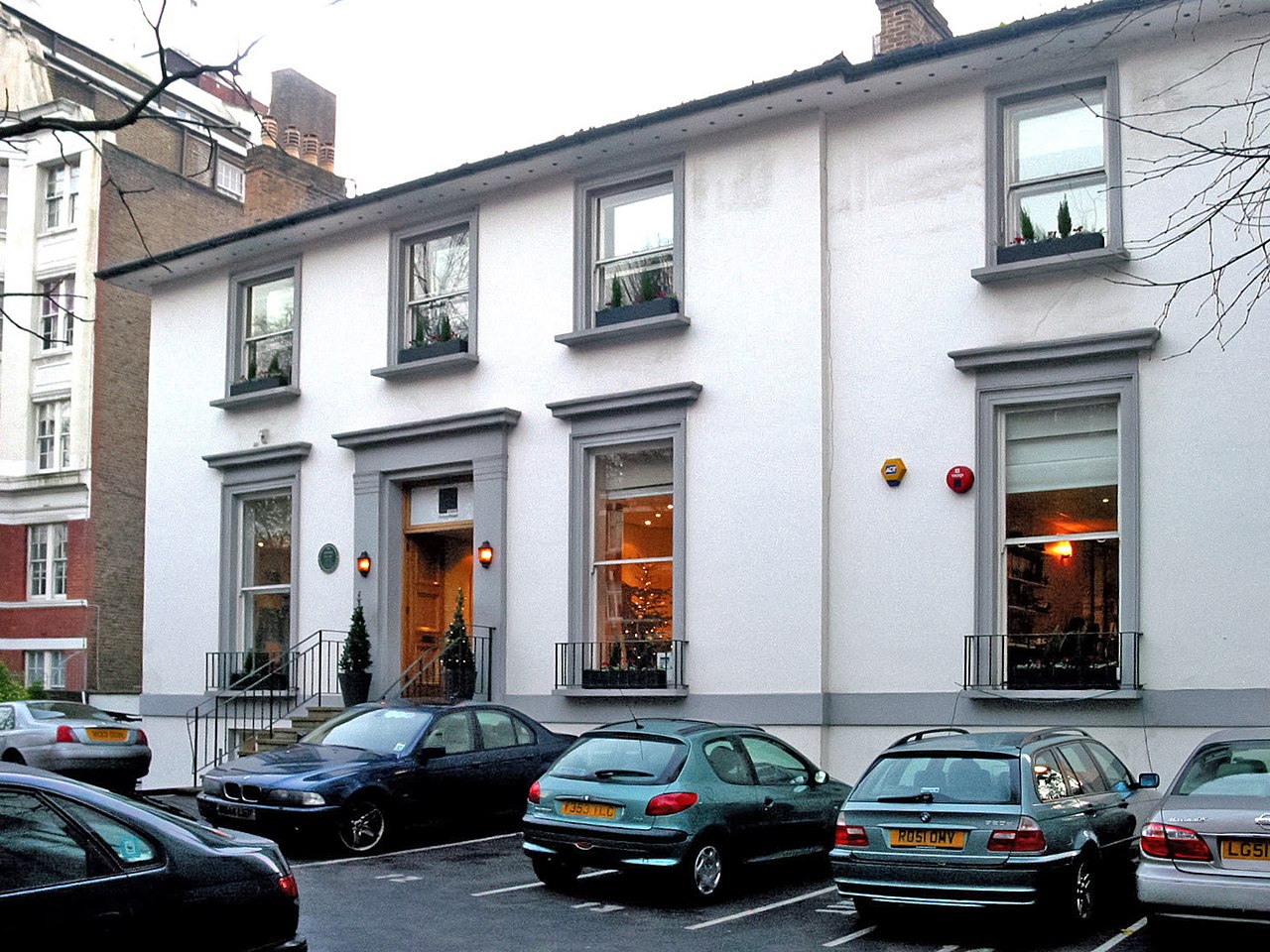
The sessions moved beyond conventional pop arrangements and used the recording studio as an instrument. Producer George Martin and the band employed multitrack recording, orchestral overdubs, tape manipulation and vari‑speed techniques to create novel textures. The approach allowed complex arrangements that would have been difficult to reproduce in concert, helping explain the Beatles' decision to stop regular touring and focus on studio work.
Music and notable tracks
Musically the album blends rock, pop, psychedelia, British music‑hall and orchestral elements. Several tracks became widely known: Paul McCartney's nostalgic "When I'm Sixty‑Four", John Lennon and McCartney's collaboratively conceived "A Day in the Life", the psychedelic imagery of "Lucy in the Sky with Diamonds", George Harrison's Indian‑influenced "Within You Without You", and character pieces such as "Lovely Rita". The sequencing and crossfades give the record a continuous feel, reinforcing its loose concept.
Cover art, release and adaptations
The album's front cover — a colorful collage of famous faces assembled into a single tableau — became an iconic image of 1960s pop culture and has been widely discussed by critics and historians. After its release it enjoyed commercial success and critical attention, receiving several major awards. Elements of the title and imagery inspired later works: the name and theme were adapted for a 1978 film version featuring performers such as Peter Frampton and the Bee Gees, with musicians including Billy Preston and cameo roles from entertainers like George Burns and Steve Martin. The movie's cast also included rock acts such as Aerosmith. The album itself has been reissued and remastered multiple times for new formats and anniversary editions.
Impact, reception and distinctions
From a cultural standpoint, the record is frequently cited as a turning point in popular music. It arrived during the era sometimes called the "Summer of Love" and helped popularize psychedelic sounds and studio experimentation. Critics have long ranked it among the greatest albums in popular music, and it earned major industry recognition, including top awards for album achievement. Its influence extended to how artists conceive albums as cohesive works and to the techniques adopted in later studio productions.
Key features and notable facts
- Presentation as a concept or persona album rather than a simple singles compilation.
- Innovative studio techniques: multitrack layering, tape effects and orchestral arrangements.
- A cover image designed as a crowded collage that became a cultural symbol.
- Strong critical and commercial impact, influencing rock albums and production practices.
For further reading and official information, consult an authoritative album page here or biographies of the band and the album's principal songwriters, Paul McCartney and John Lennon. More context about its place in the Beatles' discography is available on a UK release chronology overview, and brief notes on period roles and characters referenced in popular culture appear in various film and music databases that use descriptive entries such as the "mayor" figure and other castings.
Questions and answers
Q: Who released the album Sgt. Pepper's Lonely Hearts Club Band?
A: The Beatles released the album Sgt. Pepper's Lonely Hearts Club Band.
Q: When was the album Sgt. Pepper's Lonely Hearts Club Band released?
A: The album Sgt. Pepper's Lonely Hearts Club Band was released on June 1, 1967.
Q: How many weeks did the album Sgt. Pepper's Lonely Hearts Club Band stay at the top of the charts?
A: The album Sgt. Pepper's Lonely Hearts Club Band stayed at the top of the charts for twenty-seven weeks.
Q: What are some well-known songs from the album Sgt. Pepper's Lonely Hearts Club Band?
A: Some well-known songs from the album Sgt. Pepper's Lonely Hearts Club Band include McCartney's "When I'm Sixty-Four" and "A Day in the Life", which Lennon and McCartney worked on together.
Q: What was the change in the way The Beatles sounded with the release of the album Sgt. Pepper's Lonely Hearts Club Band?
A: The album Sgt. Pepper's Lonely Hearts Club Band made a much bigger change in the way The Beatles sounded. They had been trying new things when they made records, but this album was a big change.
Q: Was the album title used for a movie later on?
A: Yes, the album title was used for a 1978 Universal Pictures movie.
Q: Who played characters in the movie version of Sgt. Pepper's Lonely Hearts Club Band?
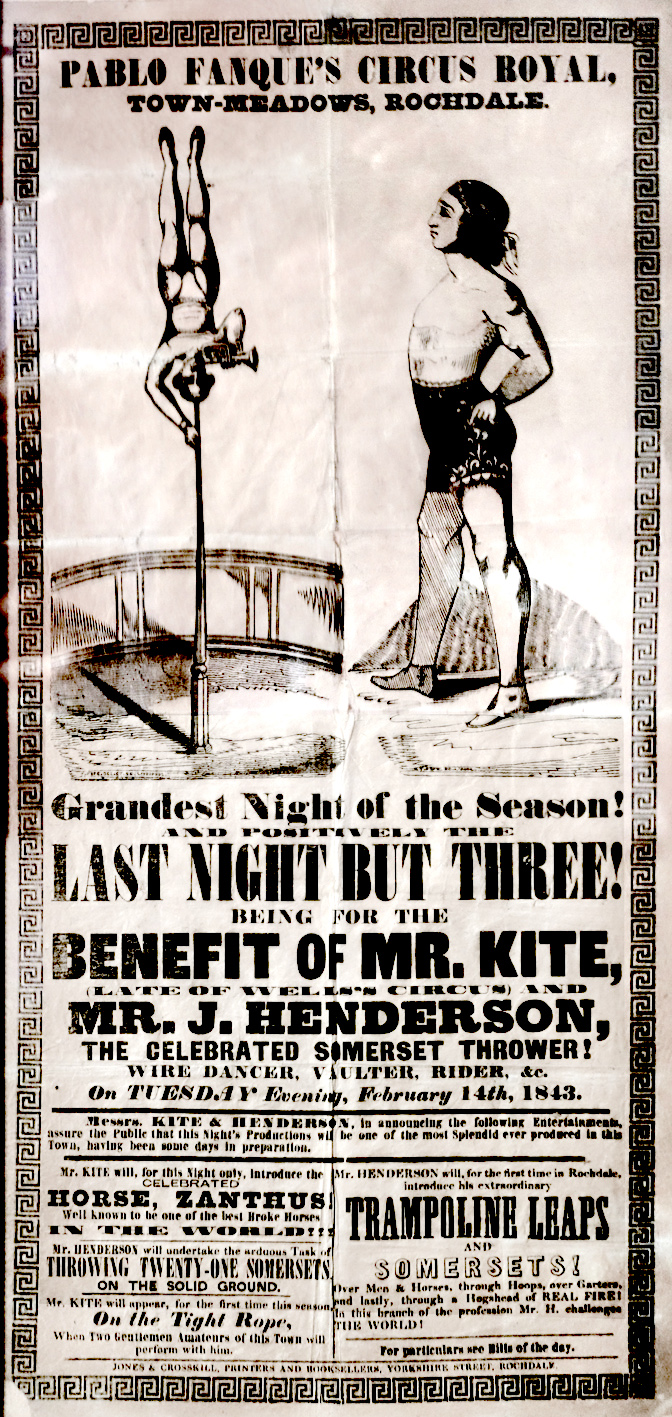
A: Peter Frampton and the Bee Gees played Sgt. Pepper's band, Billy Preston was the Sergeant, George Burns played Mr. Kite (the mayor), Steve Martin (in his first film) played Maxwell Edison, and Aerosmith was the Future Villain Band in the movie version of Sgt. Pepper's Lonely Hearts Club Band.
Author
AlegsaOnline.com Sgt. Pepper's Lonely Hearts Club Band Leandro Alegsa
URL: https://en.alegsaonline.com/art/145630