
Playboy: American men's magazine and cultural brand
Playboy is an American men's magazine and media brand founded by Hugh Hefner in 1953, known for its centerfolds, journalism, interviews, lifestyle coverage and wide cultural influence.
Playboy began in 1953 as a monthly American men's magazine and grew into a global brand. Founded and edited by Hugh Hefner, it combined pictorials of women with long-form journalism, interviews, fiction and commentary on culture, politics and lifestyle. The publication and its associated enterprises—clubs, television, merchandise and licensing—played a prominent role in debates over sexuality, free expression and commercial entertainment in the late 20th century. The magazine's visual identity, including the rabbit head logo, became widely recognized.
Image gallery
7 Images


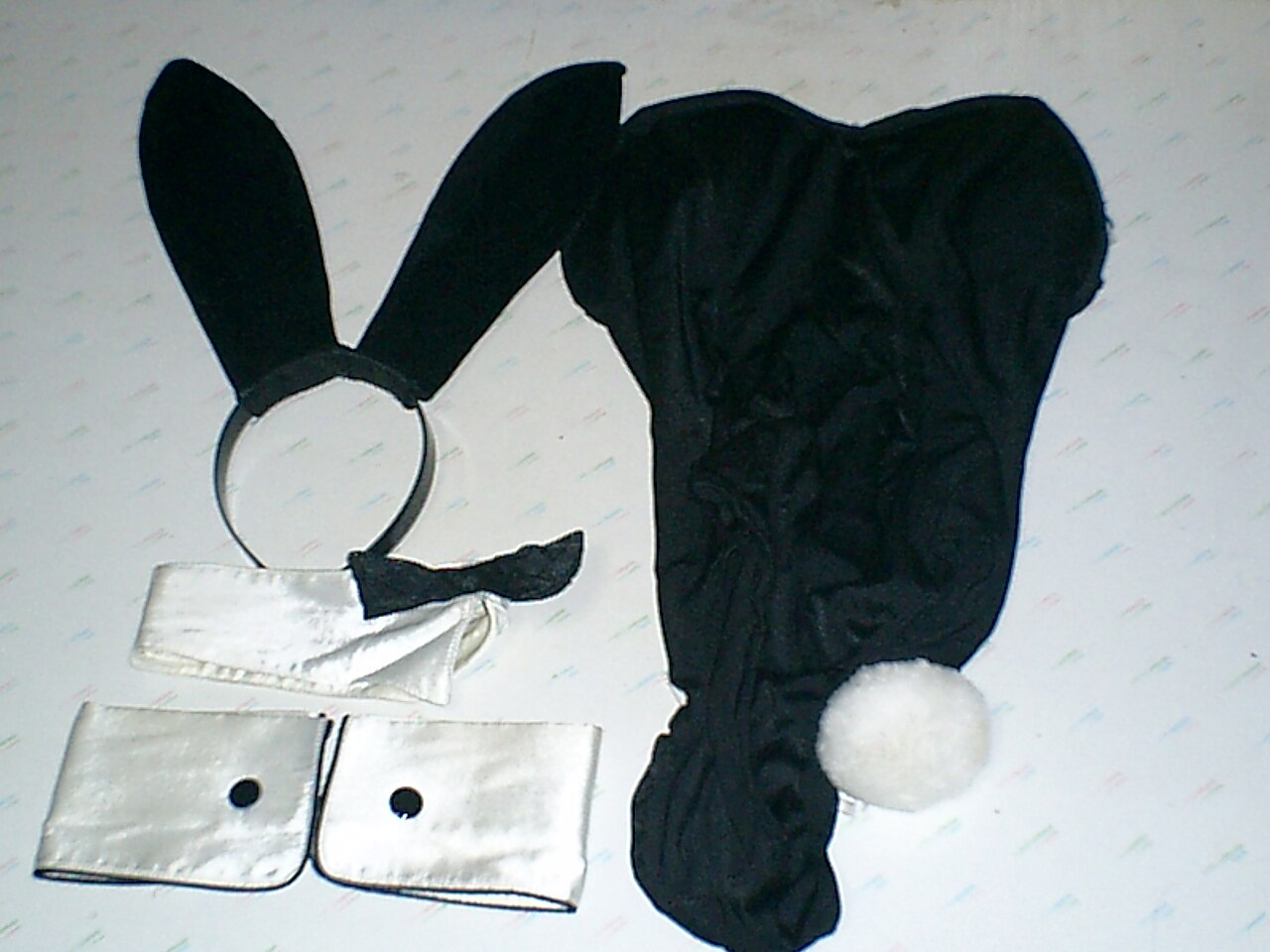
Format and characteristic features
Playboy was best known for the "Playmate of the Month" pictorial and the accompanying centerfold. Each issue mixed these features with articles on fashion and clothing, sports, consumer goods, men's health and public affairs. The magazine published interviews with public figures and original short fiction alongside lifestyle pieces. Unlike older pin‑up traditions, many pictorials included short biographical notes that described the models' jobs, education or ambitions, presenting them as individuals rather than idealized abstractions. The magazine's art direction and logo were shaped early on by designers such as Art Paul.
History and development
Playboy's first issue appeared in 1953. Its inaugural imagery and celebrity associations helped drive early circulation. Hugh Hefner served as a public face and editor for decades, guiding editorial decisions and expanding the brand into clubs, television and international editions. The title weathered legal challenges and cultural backlash; for example, legal attention arose in the 1960s over published photographs, and the publication faced varying bans and court cases in different jurisdictions. Over time Playboy experimented with its editorial mix and presentation, briefly removing nude images in 2016 before restoring them in 2017, and later shifting away from regular print publication to a digital focus around 2020.
Business, cultural impact and uses
- Media and publishing: long-form interviews, investigative pieces and fiction by notable writers.
- Brand extensions: licensed products, clubs and entertainment ventures that broadened its reach beyond the magazine itself.
- Historical record: the magazine's archives provide material for studies of postwar popular culture, changing sexual mores and magazine design.
Controversies and critical reception
Playboy attracted both praise and criticism. Admirers highlighted its journalism, interviews and role in liberalizing social attitudes toward sex and speech. Critics argued that the pictorials contributed to the objectification of women and commercialized intimacy. The title's shifts in editorial policy and presentation were often framed as responses to market pressures and changing norms. Legal incidents involving obscenity laws in the mid‑20th century, and later debates over representation and workplace culture, have remained part of its public story.
Notable facts and distinctions
Playboy's first cover appearance by Marilyn Monroe helped cement the magazine's early identity; its logo and layout were developed by in‑house art direction. Issues were sometimes notable for production choices—Playboy published editions in braille for a period and was among the few magazines whose microfilm reproductions retained color. The publication is frequently discussed in cultural histories of postwar America and the global spread of lifestyle media.
For further reading about the magazine's format, founding, people and legacy see sources including its profile as a monthly men's magazine, biographies of Hugh Hefner, the Chicago origins at Chicago and Illinois, early imagery associated with Marilyn Monroe and the first cover model note here. Information on the logo and design comes from accounts of designer Art Paul. The magazine's lifestyle coverage included topics such as clothing and fashion; legal controversies have involved figures like Jayne Mansfield; and one historical accessibility effort was publication in braille.
Questions and answers
Q: Who founded Playboy magazine and where was it founded?
A: Playboy magazine was founded by Hugh Hefner in Chicago, Illinois in 1953.
Q: Who was the magazine's first cover model?
A: Marilyn Monroe was the magazine's first cover model.
Q: What did the magazine feature articles about?
A: The magazine featured articles about men's interests including clothing, sports, consumer goods, men's health, politics, and public figures.
Q: What kind of pictures did the magazine always show?
A: The magazine always showed large pictures of nude women, except for one year in 2016–2017.
Q: What was different about Playboy's depiction of models compared to traditional pin up art?
A: Playboy humanized their models by describing their real world jobs, accomplishments, and goals.
Q: What happened in 1963 regarding Hugh Hefner and the magazine?
A: Hugh Hefner was arrested for obscenity in Chicago after publishing nude photos of actress Jayne Mansfield on the set of Promises! Promises! He was acquitted at trial by a hung jury.
Q: What changes has the magazine gone through recently?
A: Starting with the March 2016 issue, the magazine no longer had pictures of nude women. According to the company, "times change." Times changed again in February 2017 when nudity returned. In March 2020 the company announced that it would stop publishing the magazine on paper and only use digital copies instead.
Related articles
Author
AlegsaOnline.com Playboy: American men's magazine and cultural brand Leandro Alegsa
URL: https://en.alegsaonline.com/art/77395
Sources
- businessinsider.com : "Playboy will no longer feature nude women in its print edition"
- nytimes.com : "Nudes Are Old News at Playboy"
- books.google.com : "Historicizing Lifestyle"
- playboy.com : "Playboy is Doing What?!?"
- upi.com : "Playboy to end print version of magazine"
- commons.wikimedia.org : Playboy magazine