
Coba — Ancient Maya City in Quintana Roo
Coba is a major ruined city of the Pre-Columbian Maya, noted for its pyramids, long sacbe causeways and lowland jungle setting in Quintana Roo, Mexico.
Overview
Cobá is the name given to a large ruined city of the Pre-Columbian Maya civilization located in the eastern Yucatán Peninsula. The site lies in the modern Mexican state of Quintana Roo and the country of Mexico. Set among lowland jungle and seasonal lagoons, Coba was an important regional center for centuries and is widely visited today as an archaeological park.
Image gallery
10 Images




Major features and layout
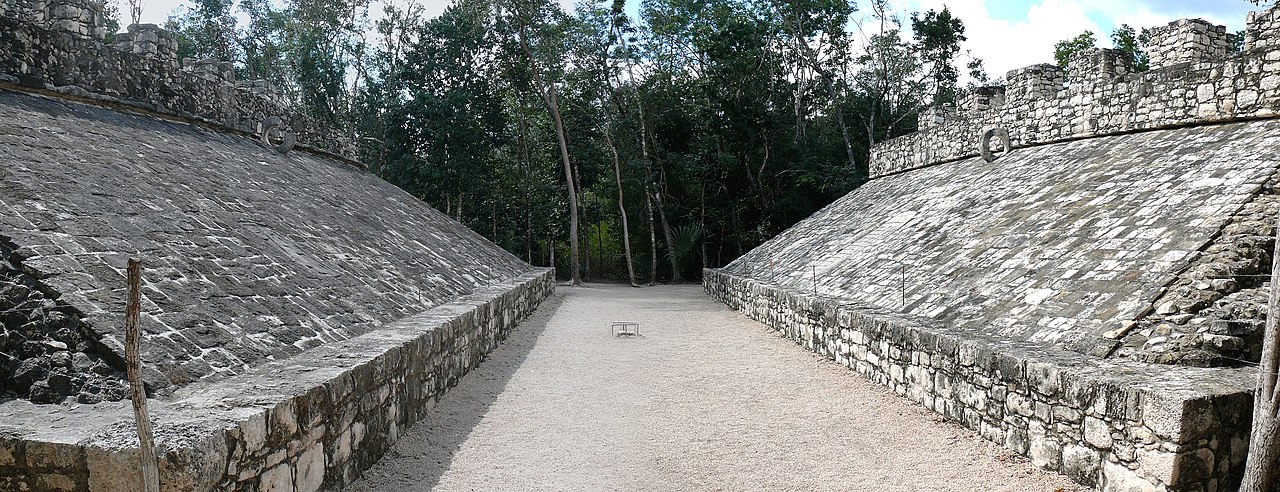
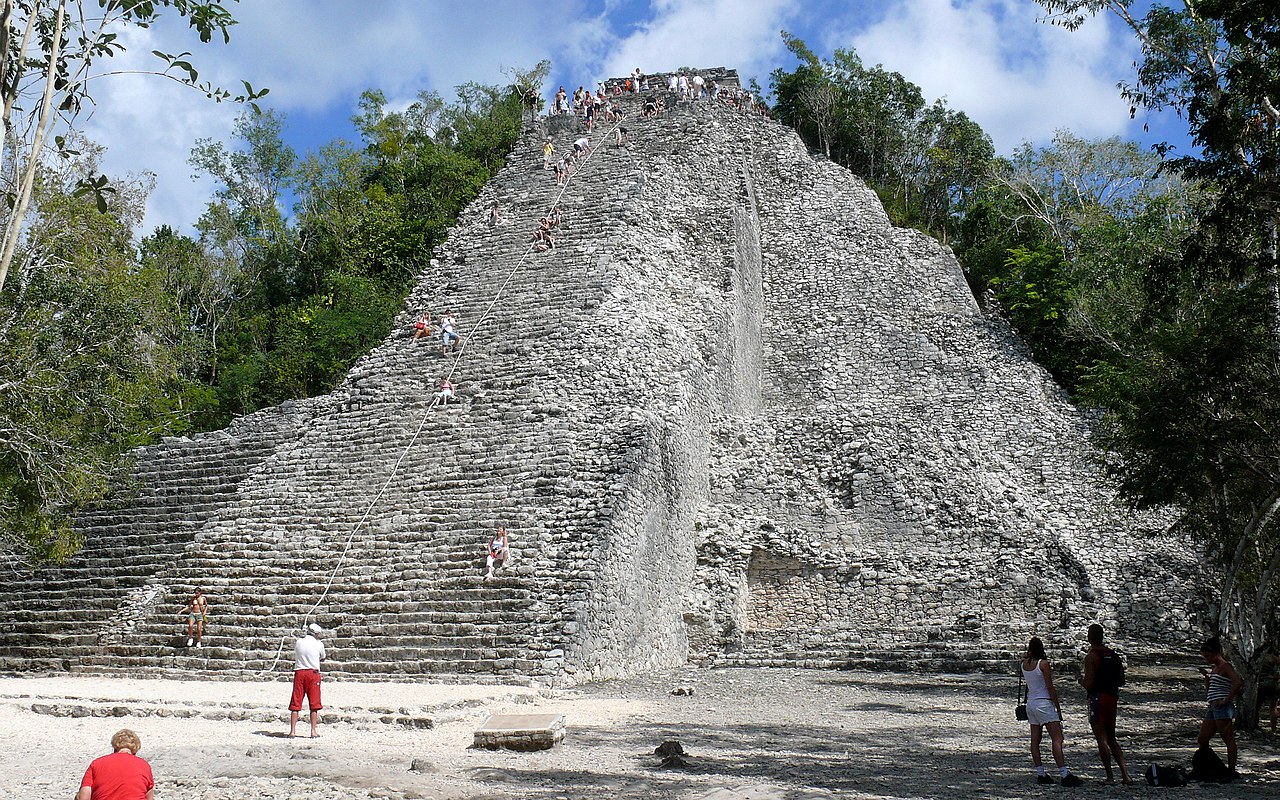
Coba is known for its mix of monuments and large public buildings, including plazas, ball courts, stelae (carved stone monuments) and several large pyramidal structures. The most prominent is the pyramid commonly called Nohoch Mul, one of the tallest Maya pyramids in the Yucatán. The site also preserves an extensive system of raised stone causeways (sacbeob) that radiate from the central area and once linked Coba to outlying settlements, illustrating a dense, interconnected urban landscape.
History and chronology
Archaeological evidence shows that Coba was occupied from the Preclassic period into the Postclassic, with its greatest prosperity during the Classic period (roughly 3rd–10th centuries CE). During that time it controlled a network of smaller communities and engaged in political and economic relationships with other Maya centers. Some scholars estimate the broader Coba urban and hinterland population may have reached tens of thousands at its peak.
Location and regional context
The site is often described in relation to other well-known landmarks: it sits roughly 90 km east of the Maya site of Chichen Itza, about 40 km west of the Caribbean Sea, and approximately 44 km northwest of the coastal ruins at Tulum. Its position in a humid, forested landscape with nearby water bodies influenced settlement patterns, resource use and transportation in pre-Hispanic times.
Archaeology, conservation and tourism
Investigations at Coba have involved mapping, excavation and conservation projects aimed at stabilizing monuments and interpreting the site for visitors. The causeways and plazas provide important data for understanding Maya urbanism. Today Coba is an accessible archaeological park where tourists can walk among restored buildings and learn about Maya architecture and social organization, though conservation needs and visitor impact remain ongoing concerns.
Significance and notable facts
- Coba illustrates the diversity of Maya urban forms beyond the largest stone cities of central Yucatán.
- The sacbe network is an important example of regional infrastructure used for communication and control.
- The site combines monumental architecture with extensive surrounding settlements, offering insight into ancient Maya political and economic systems.
Coba continues to be a focus for research into Maya history, settlement patterns and the ways in which ancient cities adapted to their environment.
Related articles
Author
AlegsaOnline.com Coba — Ancient Maya City in Quintana Roo Leandro Alegsa
URL: https://en.alegsaonline.com/art/21280