
Cockatoo Island (New South Wales): history, heritage and visitor guide
Largest island in Sydney Harbour: a former convict prison and 20th-century shipyard, now a UNESCO-listed historic site hosting festivals, camping, tours and special events.
Overview
Cockatoo Island sits in the middle of Sydney Harbour at the confluence of the Parramatta and Lane Cove rivers, within the city of Sydney, New South Wales, Australia. It is the harbour's largest island and has a layered history that includes use as a convict penal establishment, an industrial school and reformatory for boys, and later as one of the nation's principal shipbuilding and repair yards. After the shipyards closed in the late 20th century the island was redeveloped as a public cultural and heritage precinct managed for visitors and events.
Image gallery
7 Images



Historic development
The island's recorded European history began in the early 19th century when it was used for convict labour and punishment. Convict officers and craftsmen built many of the island's earliest stone buildings and the first dry dock, completed in 1857, was constructed using convict labour and basic tools, marking an early industrial achievement. Over time the site evolved from penal housing into an industrial complex. It later became the major dock and repair facility for naval and commercial vessels in the 20th century and expanded to include large workshops, slipways and wharves. The dockyards remained active for much of the 1900s before closing in 1992, leaving a well-preserved archaeological and built record of industrial infrastructure.
Architecture and surviving features
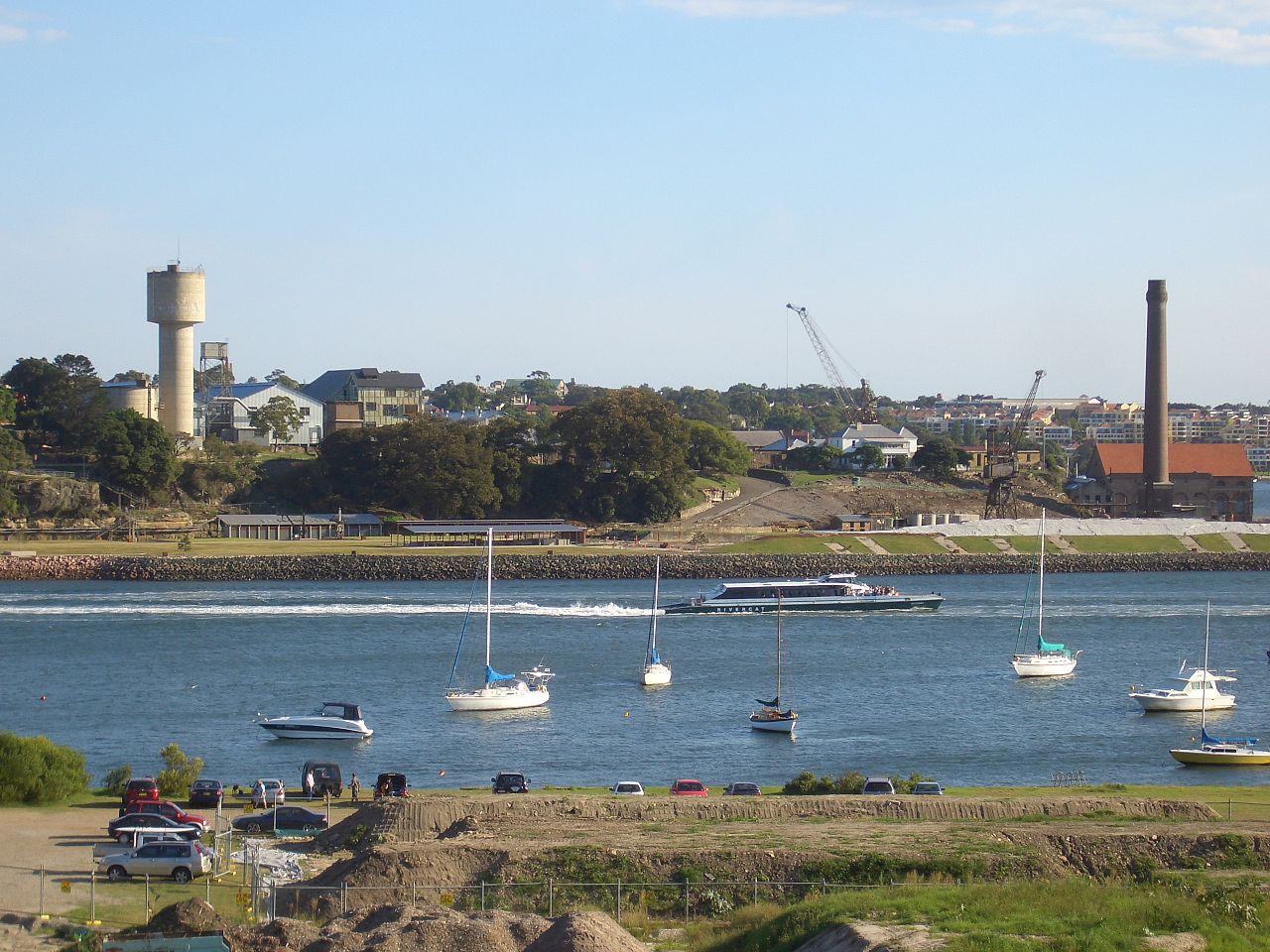
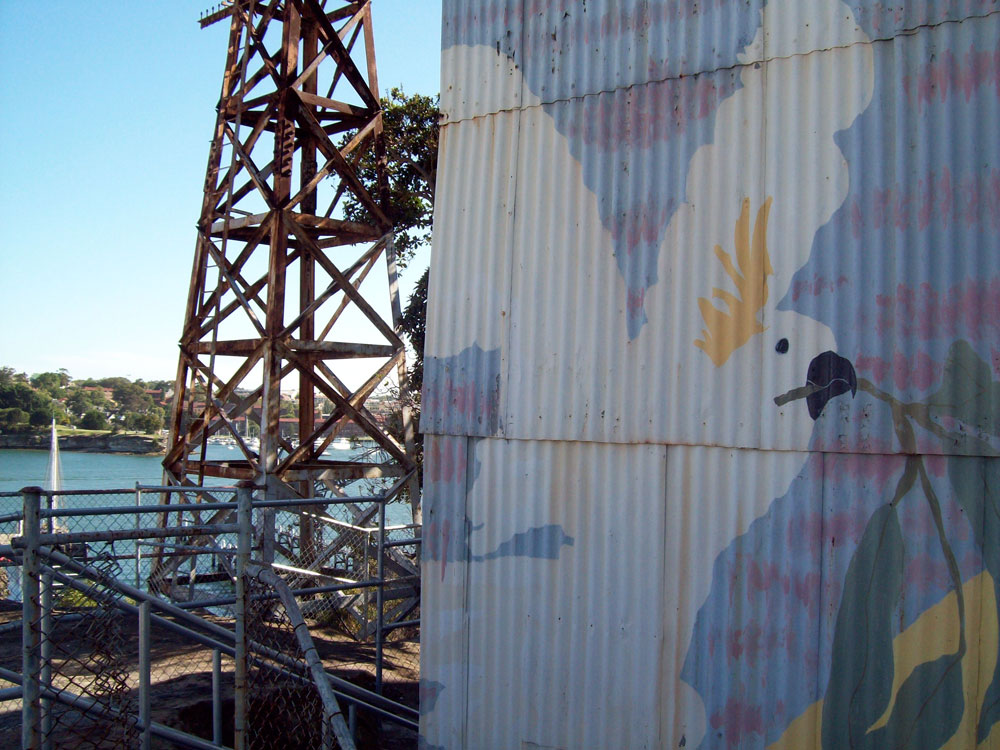
Visitors encounter a mix of stone convict barracks, institutional buildings from the reformatory period and extensive 20th-century shipyard structures. Notable features include two dry docks, large mechanics' workshops, overhead gantries, slipways and historic slip sheds. Many of the island's wharves and workers' houses survive, giving a tangible sense of both the island's penal origins and its later industrial scale. The convict-era buildings were recognised as part of Australia's broader convict heritage and were placed on the UNESCO World Heritage list along with other sites for their cultural significance and state of preservation.
Present-day uses and visitor experience
Today Cockatoo Island is a multipurpose cultural landscape. The site hosts contemporary art exhibitions, music and cultural festivals, open-air events and private functions. It has been a venue for editions of the Biennale of Sydney and for popular music and comedy festivals. Film and television productions have used the island's dramatic industrial settings for location shoots, including sequences from international films. Day visitors can explore the island on guided or audio tours, picnic or barbecue in designated areas, visit a cafe, and learn about its layered history.
Access, camping and events
The island is served by regular public ferry services: passenger ferries to nearby suburbs and ferry connections including a RiverCat service on the Parramatta route stop there. A managed campsite opened in the 2000s, allowing visitors to stay overnight in their own tents or in hire tents provided on site; camping has made the island a popular vantage point for Sydney's major harbour celebrations, including the New Year's Eve fireworks and other seasonal events. The island's viewpoints offer sweeping sights of the harbour and the Sydney Harbour Bridge, making it attractive for photographers and visitors seeking harbour panoramas.
Significance, conservation and community use
As a place of penal confinement, industrial innovation and maritime manufacture, Cockatoo Island illustrates several chapters of colonial and modern Australian history. The island's convict precinct forms part of the national group of convict sites inscribed as World Heritage places, recognised alongside other important convict sites. Conservation and adaptive reuse are overseen by a government trust that aims to protect the island's character while promoting public access and cultural programming. The site is often used for tours, educational programs and community events; it also accommodates private hire for weddings and corporate gatherings, and has been promoted as a destination for visitors wishing to combine history, art and outdoor activities.
Practical notes and notable facts
- Heritage: The convict-built dock and institutional buildings are central to the island's heritage value and are interpreted for visitors; signage and tours explain their construction and use (convict-built dry dock, prison history).
- Events: Cockatoo Island regularly hosts contemporary art and music events, including the Biennale and other festivals; notable past events have attracted tens of thousands of visitors and performers curated by prominent figures in the arts (Nick Cave was associated with one festival).
- Film and media: The island's industrial spaces have featured in commercial film productions and location shoots (feature film credits).
- Facilities: Visitors can explore large workshop halls, slipways, historical houses and wharves (wharves and slipways), and learn about the site's shipbuilding era (shipyard history).
- Recreation: On-site barbecue areas are provided for picnickers (barbecue), and the island's outlooks make it a favored viewing location for harbour events and fireworks (fireworks).
- Local links: The island's story is connected with the broader harbour and river systems (Parramatta River, Sydney) and the state government's stewardship helps integrate conservation with public programming (NSW management references).
For practical visitor information—operating hours, ferry timetables, event listings and booking details—consult the site's managing authority and official visitor pages. Cockatoo Island remains a striking example of layered social, architectural and industrial heritage, offering accessible interpretation and a range of contemporary uses that keep its history alive.
Sydney | New South Wales | Australia | historical site references: convict constructions, World Heritage listing, associated convict sites | transport and access: ferries, RiverCat | culture and events: shipyard legacy, music curators, film locations.
Questions and answers
Q: What is Cockatoo Island?
A: Cockatoo Island is the largest island in Sydney Harbour in Sydney, New South Wales, Australia. It is at the junction of the Parramatta and Lane Cove rivers.
Q: What has Cockatoo Island been used for?
A: Cockatoo Island has been a prison, industrial school, and reformatory (a prison for boys). It was also the site of one of Australia's biggest shipyards during the 20th century.
Q: When was it opened to the public?
A: In March 2005, Cockatoo Island was opened to the public for the 'Cockatoo Island 2005 Festival'.
Q: Is there a cost to visit?
A: No, there is no cost to visit Cockatoo Island.
Q: Are there activities available on the island?
A: Yes, visitors can picnic, barbecue, visit a cafe, walk around the island or take an audio or guided tour. Regular events and art shows are often held on the island as well.
Q: What happened in 2008?
A: In 2008 a campsite opened on the island and part of X-Men Origins Wolverine movie was filmed there. The Biennale of Sydney contemporary art show was also held on Cockatoo Island that year with over 80 000 visitors attending over 12 weeks.
Q: Was there an event held in 2009?
A: Yes, in January 2009 The Sydney Festival's "All Tomorrow's Parties" music festival took place over two days with 24 bands across four stages and 11 000 audience members attending. Additionally World's Funniest Island Comedy Festival took place in October 2009 with 200 comedy acts seen by more than 8 000 people
Related articles
Author
AlegsaOnline.com Cockatoo Island (New South Wales): history, heritage and visitor guide Leandro Alegsa
URL: https://en.alegsaonline.com/art/21326
Sources
- news.com.au : "Bush camping on Sydney harbour's Cockatoo Island"
- elections.nsw.gov.au : "Electoral District of Balmain: Electorate District Profile"
- apps.aec.gov.au : "Federal Electorate Search: Sydney" · web.archive.org
- whc.unesco.org : "Australian Convict Sites"
- harbourtrust.gov.au : "Sites - Cockatoo: Planning"
- harbourtrust.gov.au : "Sites - Cockatoo"
- abc.net.au : Convict era punishment cells unearthed